Aug 24, 2026 · 44 min · 10 segments
Many believe that Artificial Intelligence will soon be embedded in nearly every aspect of the modern world. But how diverse are the people shaping this technology? In this episode of Tech Mirror…
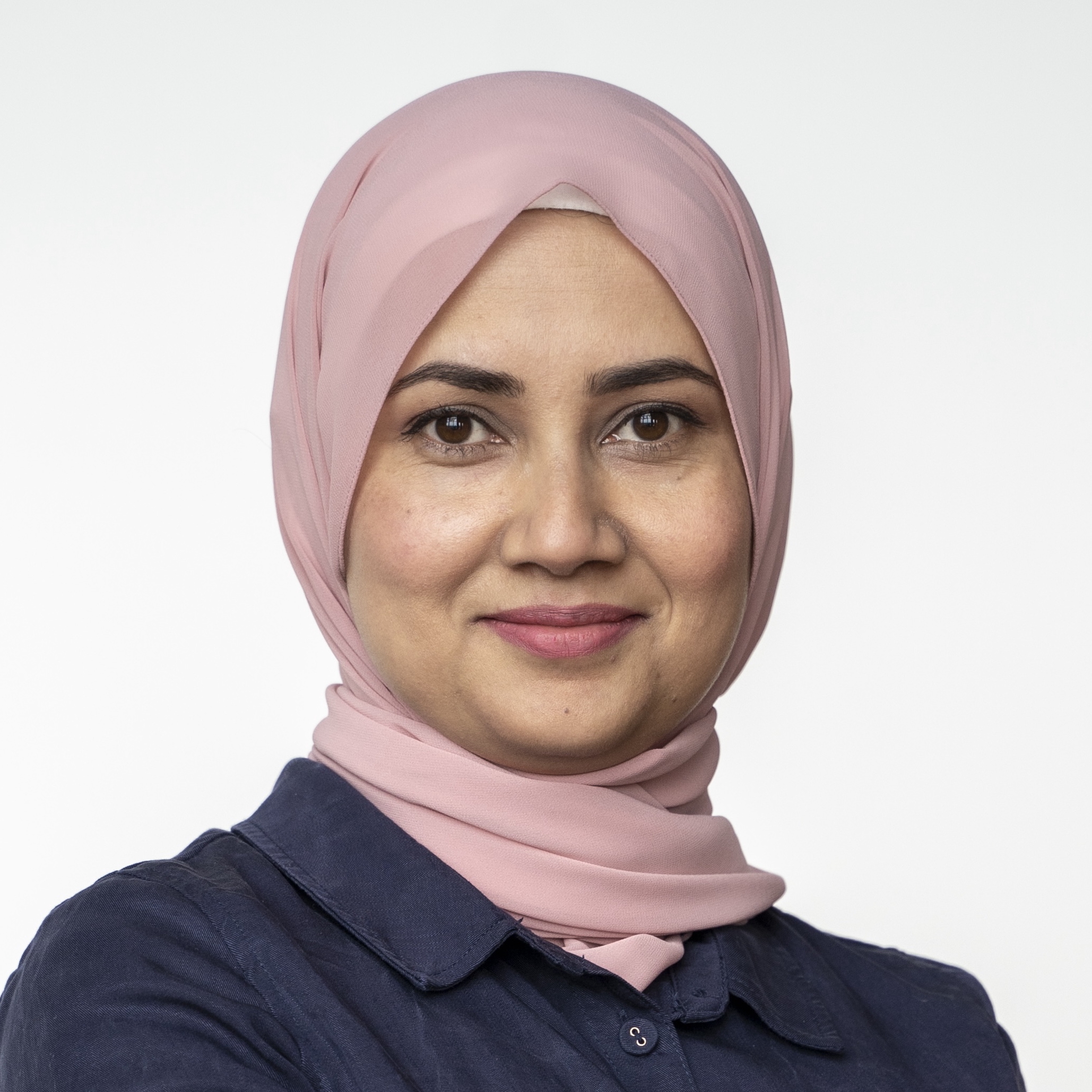
Rashina HodaGuest
Johanna WeaverHost
Gemma KillenGuest
The Tech Policy Design Institute acknowledges and pays our respects to all First Nations people.

We recognize and celebrate that among many things, indigenous people were Australia's first tech innovators.

Well, those biases already exist in the world, so the AI system isn't making anything worse, but it will make some things better for other people, so that's an acceptable risk to take."

It's often about just looking around you to see who's in the room and who is on the table, right? It's often as simple as that, and it's usually the people who are not in those rooms and not on those tables, not having those conversations are the people that are at the most risk of being left out.

This is a great opportunity when we're having a technological revolution to embed more equality into the systems that are gonna become so fundamental to our lives.

And I think it's also inspiring women to recognize that this is actually an opportunity to smash the patriarchy if we get this right.

I, I really believe that, right? [upbeat music] Hello, and welcome to another episode of TechMirror.

I'm Johanna Weaver, your host, and this is the podcast where we talk about how technology is shaping our world and how we, the humans, or in the case of this podcast, women, can help shape technology back.

And particularly today, we're gonna focus in on a field of artificial intelligence called AI safety.

And actually, if you ask people what AI safety means, you'll probably get as many different answers as, as many people as you ask.

So, you know, AI becomes so powerful that, uh, we as humans are unable to control it anymore.

For other people, when they talk about AI safety, they're thinking about more immediate harms, things like bias and discrimination in the outputs of artificial intelligence.

And what we're gonna focus on today is what it means to be answering this question of what harms, and importantly, whose harms are important, whether having more diverse voices at the table when we're building, deploying, and using artificial intelligence, whether that would fundamentally change the outcomes that we get from artificial intelligence.

My first guest is Dr. Gemma Killin, and Gemma is the executive director of the Working with Women Alliance.


She's a software engineering researcher and the director of the Humanise Lab at Monash University.

Read the full transcript.
Create an account to read the whole episode, search across every transcript, and follow the shows you care about.