Sep 10, 2026 · 27 min · 9 segments
Welcome to our first conversation with Suzanne Morch-Lassen. Suzanne has one year to go on her PhD. Let's share this time.
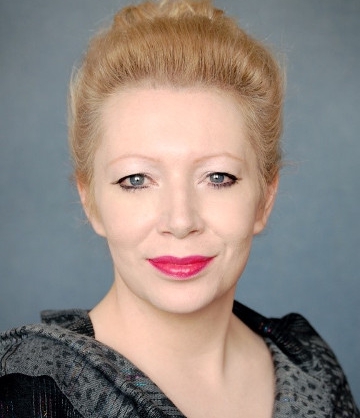
Suzanne Morch-LassenGuest
Tara BrabazonHost
My thesis is on using reflexive breathing techniques and not in terms of looking at recidivism, but also looking in terms of desistance and giving people the break, the pause in order to make different life choices about their life.

So it's not about just... um it's not not about seeing if they can move away from uh offending it's also who are they you know what what's their story um so basically

so so so we've got a a group of men uh who have had a cremogenetic element in their past and then what your research is trying to do is find strategies to enable a different pathway for them but also connect up where they were where they are in and through the body and using this technique of of breath work is intervention the right word suze correct me on this what what what word should i be using

And in terms of not necessarily the causal event, but the contributing event of how that would help them to look or support them in their journey.

What is all this about? What does it do to you? And it's so humbling interviewing these men with very, very different life histories to myself.

learning a lot about their journeys and also how that also reflects in mine.

You know, it's a very humbling experience and it's people entrusting me with their stories and entrusting me with a part of themselves, basically.

It's also a power thing, isn't it? It's me choosing what goes in the data and what's left behind.

It's about positionality and the role of the researcher in data collection and data analysis.

And I'm just about to go into your SOC as well, your significant original contribution to knowledge.
The rest of this transcript — segmented and speaker-labeled, so you land on the exact moment something was said
Search every transcript — by keyword, by phrase, or by meaning, across every show Radar indexes
Trends — what is surging across podcasts, measured against its own baseline
Alerts — when a name you follow appears in a newly indexed episode
No account is needed to search Radar.