You Don’t Have to Carry This Alone | Neil Tricarico on Losing His Son, Grief & Post-Traumatic Growth
Oct 8, 2026 · 46 min · 10 segments
There are some losses for which language will never be enough. In this deeply moving episode of *Spiritual Infinity*, I speak with **Neil Tricarico**, a father whose 16-year-old son, Anthony, died by…
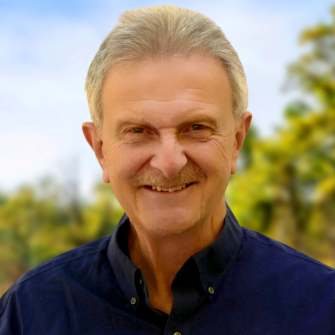
There are some losses for which language will never be enough. In this deeply moving episode of *Spiritual Infinity*, I speak with **Neil Tricarico**, a father whose 16-year-old son, Anthony, died by suicide after struggling with depression and suicidality alongside his experience of autism. Yet this is not simply a conversation about death. It is about a father’s grief, the emotional conditioning of men, neurodiversity, spirituality, community and what can happen when unimaginable pain gradually becomes a calling to serve others. Neil describes his life before Anthony’s death as one filled largely with joy. He and his wife, Samara, were raising their son Anthony—known as Ant—and their daughter, Belina, when Anthony was diagnosed with high-functioning autism. There were challenges the family had been prepared for. They were told Anthony might struggle socially or experience bullying. Instead, he developed many friendships and worked hard to connect with others. What Neil and his wife had not been prepared for were the mental-health challenges that could emerge. During the COVID period, when Anthony was around 14, he fell into a deep depression and began experiencing suicidal thoughts. Crucially, he told a close friend, who told his mother, who then alerted Anthony’s parents. That disclosure began an intensive two-year journey as the family tried to support him. Anthony himself wanted to live. He was even planning to devote his senior-year project to challenging the stigma surrounding suicide. Tragically, at 16½, Anthony died by suicide. For Neil, the loss is not something that can be neatly described as something he has “gotten over.” He speaks about waking in the morning and, for a few fleeting moments, feeling as though everything has been a terrible dream—before realising that the nightmare is the reality into which he has awakened. But something else began happening within that grief. Neil describes experiencing a profound spiritual or soul awakening and gradually discovering the possibility of transforming—or, as he puts it, **transmuting—pain into purpose**. His family’s experience led to the creation of **The Endurant Movement**, a nonprofit dedicated to helping ensure that teenagers, neurodivergent or otherwise, do not feel unseen. The organisation is working towards safe community spaces for young people who may be struggling but have not yet reached the point of crisis—a place where pressure can come down, where they can simply be themselves and where belonging does not depend upon achievement. Neil is particularly passionate about increasing awareness of the relationship between neurodiversity and suicide. He also reflects on Anthony’s ability to mask what he was experiencing so effectively that some of his friends did not even realise he was autistic. That raises an important question for all of us. **How much can be happening inside another human being that we simply cannot see?** Our conversation also moves into Neil’s experience as a father. He speaks candidly about initially having to grieve some of the expectations he had unconsciously carried about fatherhood—the sports he imagined coaching, throwing a ball together and other experiences he had pictured sharing with his son. When he was able to release those expectations, however, he could begin meeting Anthony as Anthony actually was. His son loved martial arts and rock climbing. Father and son also spent enormous amounts of time camping together, creating memories that Neil now treasures. There is something profound within that. Sometimes love asks us to release the person we imagined someone would become so that we can fully love the person standing before us. Neil’s professional background also gave him an unusual foundation from which to confront what followed. He had spent approximately two decades working within the personal-development world, including work with Deepak Chopra and Tony Robbins, whom he describes as a friend and mentor. Even with all that exposure to transformation and personal development, however, Neil is clear that nothing could prepare him completely for the death of his son. He experienced shame, guilt, devastating pain and questions about what strength and masculinity actually mean. And that is particularly important within this series on men’s trauma. For generations, many boys have heard some variation of: don’t cry, toughen up, be strong. But what happens when life presents something that cannot simply be “toughed out”? Neil challenges the idea that strength means carrying everything alone. During our conversation, I repeated a familiar spiritual saying: God never gives us more than we can bear. Neil offered an important addition. In his lived experience, we are not necessarily meant to bear life’s greatest trials **without the help of others**. That became one of the most beautiful moments in our conversation. Whether we call that greater presence God, Creator, Spirit or Universe, help does not always arrive dramatically from somewhere beyond us. Sometimes it arrives through another human being. The friend who notices. The person who telephones. The stranger who shares information at precisely the right moment. The community that surrounds a grieving family. The person willing to sit beside us when there is absolutely nothing they can say to make the pain disappear. As Neil beautifully describes it, there may be angels in heaven, but there are also angels here on Earth. We therefore need not only an open heart, but open eyes, because if we become completely focused upon an expected outcome, we may fail to recognise the help already surrounding us. Neil’s second initiative, **The Endurant Way**, grew from his own experience of post-traumatic growth and now seeks to help adults carrying significant loss find a way forward. Importantly, Neil does not describe growth as replacing grief. He rejects the idea that healing means reaching some final point at which grief is completed and everything is closed. Pain and joy can coexist. Sorrow and gratitude can coexist. You can miss someone desperately and still laugh. You can grieve and still experience love. You can carry terrible pain and nevertheless discover meaning. Neil describes this as the **duality of emotions**—the capacity to experience both. And he makes an equally important distinction when we speak about turning grief into something positive. We must not use purpose to escape pain. We must first allow ourselves to experience the grief. Sit with it. Cry. Feel the discomfort. Acknowledge the yearning for the physical presence that is no longer there. Only then can something begin to move. Neil challenges the familiar expression that grief is love with nowhere to go. His experience has taught him something different: grief is love that can no longer go to the **physical place where it once went**. But the love itself still has somewhere to go. He can send that love to Anthony through prayer and through the spiritual relationship he continues to feel with his son. He can pour it into another grieving father. He can give it to a young person who feels unseen. He can place it into the work of The Endurant Movement. He can bring it into a conversation such as this one. And in doing so, the love continues. Perhaps this is one of the deepest messages of our conversation. We do not honour those we have lost by pretending we are no longer devastated by their absence. Nor do we honour them by allowing our own lives to end emotionally when theirs ends physically. There can be another possibility. We can carry them forward. We can speak their names. We can take the love that once had a physical destination and allow it to become compassion, service, connection and purpose. Neil says that if, as he believes, he is reunited with Anthony one day, he does not want to look back upon the years between and see only suffering. He wants to be able to celebrate the people they helped and perhaps the lives that were saved because Anthony lived. That does not make Anthony’s death acceptable. Neil is very clear: if he could exchange everything he has learned to have his son back, he would. But he cannot. And so he chooses to love his son forward. For the men listening who have been taught that grief must be contained, that tears reveal weakness or that they should somehow be able to carry the unbearable alone, Neil leaves a very different message: **You don’t have to carry this alone.** Open your heart. Open your eyes. Reach out for help. Allow yourself to cry. Allow others to stand beside you. And remain open to the possibility that somewhere within even the smallest pinhole of hope, another way of living may eventually become visible. We are not separate beings expected to survive life’s greatest trials entirely through our own strength. We are community. We are connection. And for those of us who believe in a Creator, perhaps part of faith is recognising that the hand we have been praying for may sometimes arrive through the hand of another human being. Pain does not have to be denied for purpose to emerge. Grief does not have to disappear for love to continue. And asking for help does not diminish a man’s strength. Sometimes it may be one of the greatest expressions of strength he can make. **— Zenzi SewaahFounder & Spiritual Visionary, Spiritual Infinity** Guest Bio & Contact **Neil Tricarico** is the founder of **The Endurant Movement**, a non-profit created following the death of his 16-year-old son, Anthony, to help ensure that neurodivergent and other young people struggling with their mental health do not feel unseen. Neil also created **The Endurant Way**, drawing upon his lived experience of profound grief, spiritual awakening and post-traumatic growth to support adults seeking a way forward following significant loss or pain. His professional background spans approximately two decades in personal development and transformation, including work with Deepak Chopra and Tony Robbins. **The Endurant Movement:** EndurantMovement.org**The Endurant Way:** TheEndurantWay.com**Instagram:** @NeilTricarico**Personal contact:** Neil invites people to contact him through his websites or social media. Get full access to Zenzi’s Substack at zenzisewaah.substack.com/subscribe
There are some losses for which language will never be enough. In this deeply moving episode of *Spiritual Infinity*, I speak with **Neil Tricarico**, a father whose 16-year-old son, Anthony, died by…