Aug 16, 2026 · 34 min · 11 segments
In my first solo episode, I announce the Salvage Art Summit—a free, virtual event (September 24–26) for *artivists* who transform waste into art and champion sustainability. I’ve gathered artists…
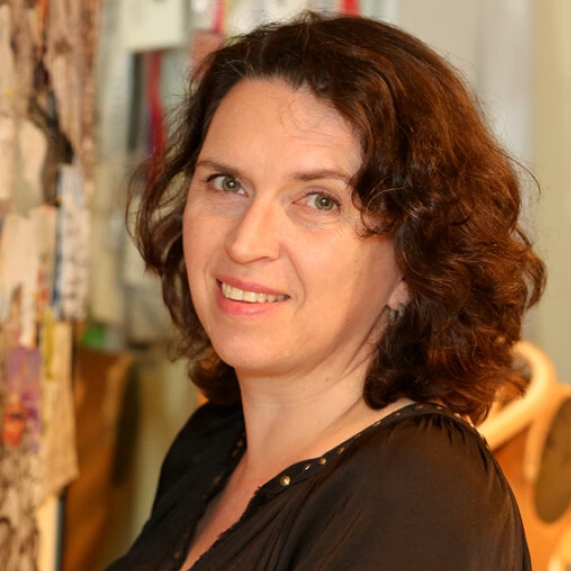
Natalya KhoroverHost
Salvage Art Summit is going to be taking place at the end of September, September 24th, 25th, and 26th.

If you've been in my world for a while, you know that an artivist is an artist who is also an activist.

We champion sustainability and this summit is here to help you transform waste into art, to give you some new ways perhaps to transform waste into art.

It's certainly there to help you champion sustainability, but it is also there to help you fuel your creative resilience.

Because when we are artists who are working with such weird and strange materials, such as plastic trash such as trash that we find on the beaches such as weird pieces of wood or fabrics that no one else would look at it's a different type of practice and not everyone understands it and People in the more traditional art world, as in painting and sculpture, don't always, but a lot of times look at us askance, like, what are we doing? Now, I know the world is changing, and it certainly is in my generation.

I have so many friends and I know so many other artists who repurpose materials in their art practice and have been doing so for decades.

I know that it's becoming more and more normal, but it's still not completely normal.

I think people, I think it's better to be a little weird than normal, but whatever.

Everybody has their own version of normal, right? Where was I going with this? I think that when artists participate in the creative reuse, when they transform discarded materials, aka trash, into art.

And when they at the same time are advocating for a legislature to be changed so that we can do something about the climate crisis that we are a part of.

I think that adds a different level of stress to the artist because it's stressful enough to be an artist and try to make a living as an artist, whether you are a teaching artist or an artist trying to sell their work or an artist who does both or any other configuration.

As artists, we are blessed with the ability of make a living in so many different ways so that we can pick and choose what works best for our personality.

I'm sure that most people who are in the freelance world, who are in the gig economy, understand that, that it's not easy to make a living as an artist, no matter what type of an artist you are.

But when you add to that the element of being an activist, And I think by the way, artists make wonderful activists.

Um, but when you add that to the mix and you want to be helpful at the very least helpful to the movement that is trying to curb, um, climate pollution of this planet, single use plastic pollution, any kind of pollution, um, whether you are doing just the very simplest things of picking up your trash or other people's trash or you are doing something a lot more involved such as helping support politicians who want to pass the good legislature to co to curb pollution or to pass laws that would ask you ask us to do things better by the environment when you participate in that and whether you are just not just whether you are spending time and money sending out cards or sharing the information or whether you are out there going to your local politicians offices and standing there with signs or trying to talk to them or whether you're marching in the street whatever it is you're doing that makes your job as an artist even more stressful than just an artist trying to earn a living so that's why i am doing this summit with three different types of speakers.
The rest of this transcript — segmented and speaker-labeled, so you land on the exact moment something was said
Search every transcript — by keyword, by phrase, or by meaning, across every show Radar indexes
Trends — what is surging across podcasts, measured against its own baseline
Alerts — when a name you follow appears in a newly indexed episode
No account is needed to search Radar.