Patient Empowerment Program: A Rare Disease Podcast
Miracles of Science 3 RNA World Part 2
May 27, 2026 · 28 min · 9 segments
In Part 2 of the n-Lorem Patient Empowerment Program podcast Miracles of Science series on RNA, Dr. Stan Crooke further explores the fascinating “RNA world,” explaining how RNA molecules are…
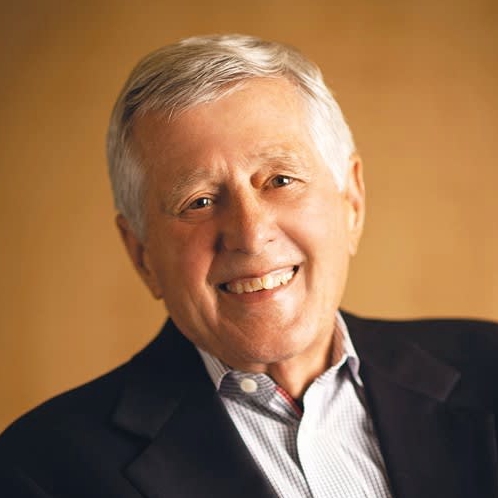
In Part 2 of the n-Lorem Patient Empowerment Program podcast Miracles of Science series on RNA, Dr. Stan Crooke further explores the fascinating “RNA world,” explaining how RNA molecules are processed, protected, modified, and used to manage cellular function. The episode breaks down concepts like pre-RNAs, poly-A tails, 5’ caps, RNA splicing, and the multiple “codes” that make RNA dynamic and information-rich — foundational science that helps power antisense therapies for nano-rare patients and helps make the RNA world a true "Miracle of Science," allowing n-Lorem to fulfil its mission. - Shownotes: - 0:00 — Introduction to n-Lorem Overview of the n-Lorem Foundation mission and support for nano-rare patients and families. - 0:15 — Podcast & Sponsor Introduction Dr. Stan Crooke introduces the podcast and acknowledges sponsor ChemGenes. - 1:17 — Entering the “RNA World” Dr. Crooke introduces RNA biology and explains why RNA science is foundational to antisense therapies. - 1:31 — What Are Pre-RNAs? Explanation of immature “pre-RNAs” and how they contain instructions for cellular processing and transport. - 3:31 — RNA Processing & Adding Nucleotides Discussion of how RNAs are trimmed and modified during maturation. - 4:03 — Poly-A Tails Explained What poly-A tails are, why they are added to messenger RNA, and how they protect RNA molecules. - 7:07 — Protecting RNA from Degradation How cells chemically protect both ends of RNA molecules. - 9:00 — The 5’ Cap Introduction to RNA “caps” and their role in identifying and stabilizing messenger RNA. - 11:02 — RNA Splicing How cells remove unnecessary RNA segments (introns) and reconnect useful coding regions. - 14:06 — RNA Structural Codes How RNA folds into structures and why shape is important for function. - 16:09 — Chemical Modification Codes Overview of RNA chemical modifications and how they add another layer of cellular regulation. - 18:22 — RNA as Cellular Management Dr. Crooke compares RNA molecules to executives and middle managers directing cellular operations. - 19:12 — RNA & Antisense Technology Why understanding RNA biology is critical for developing antisense therapies for nano-rare diseases. - 22:08 — DNA vs. RNA Analogy DNA as the “king” and RNA as the active workforce managing the affairs of the cell. - 24:10 — The Dynamic Nature of RNA How RNA constantly changes structure, interactions, and function over time. - 26:14 — Closing Thoughts Final overview of RNA versatility and its role in cellular communication and regulation. - 26:54 — About n-Lorem Information about n-Lorem’s mission to provide personalized experimental treatments free for life to nano-rare patients.
In Part 2 of the n-Lorem Patient Empowerment Program podcast Miracles of Science series on RNA, Dr. Stan Crooke further explores the fascinating “RNA world,” explaining how RNA molecules are…