Housing and Gender Equity: Shifting Roles and Building Inclusion in Asia-Pacific
Aug 25, 2026 · 44 min · 11 segments
S01E03 Housing and Gender Equity: Shifting Roles and Building Inclusion in Asia-Pacific More than 1.6 billion people across Asia-Pacific live in inadequate housing, with women facing added barriers…
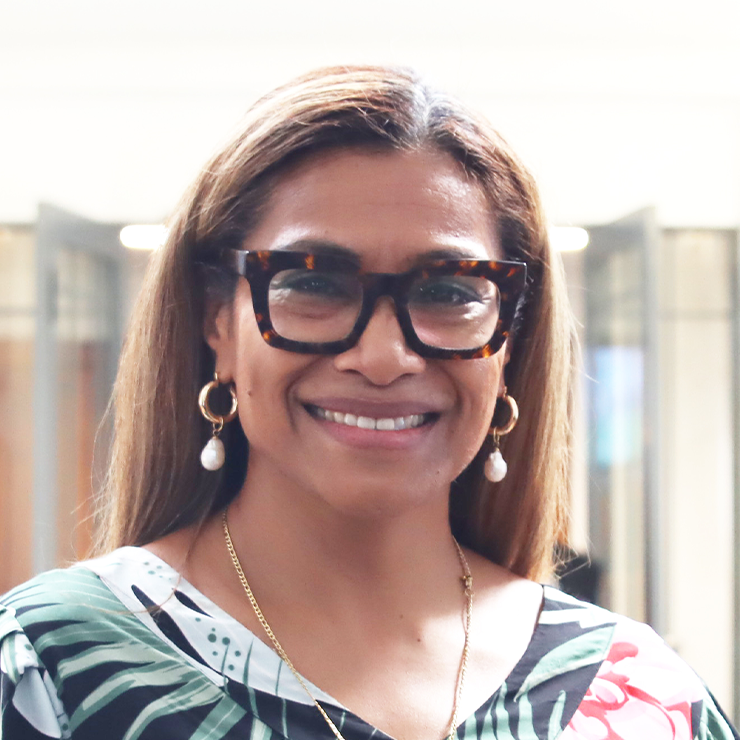
S01E03 Housing and Gender Equity: Shifting Roles and Building Inclusion in Asia-Pacific More than 1.6 billion people across Asia-Pacific live in inadequate housing, with women facing added barriers like insecure land tenure, limited access to finance, and exclusion from housing decisions. In this episode of *Open the Door* by Habitat for Humanity International, Elizabeth "Liz" Satow, Habitat's Area Vice President for Asia-Pacific, speaks with Anabel Ali, Board Chair of Habitat for Humanity Fiji, and Anand Bolimera, National Director of Habitat for Humanity India, on how housing systems shape gender outcomes and how to make them more inclusive. They unpack gender equality vs. gender equity, citing examples like Project Nirmanshree, Habitat India's Housing Support Services, Habitat Fiji's She Fixes It initiative, the Daulomani Safe Home, and India's Pradhan Mantri Awas Yojana program, showing how women-centered housing strengthens safety, health, livelihoods, education and decision-making. Chapters 00:00 – Cold open 00:47 – Welcome & introduction 01:56 – Meet the guests 02:35 – Guest stories: growing up with housing insecurity 07:45 – How gender shapes the housing experience 11:50 – Defining gender equality vs. gender equity 19:35 – Gender norms and housing 26:00 – Designing housing around women's needs 30:05 – The data: housing, health & gender-based violence 34:35 – Reasons for hope 39:55 – Closing reflections & lightning round 42:55 – Outro & call to action Our moderator and speakers: - Liz Satow is Habitat for Humanity's Area Vice President for Asia-Pacific, with 20+ years of humanitarian and development leadership across India, Haiti, Nepal, Jordan, and the Philippines. She holds an MA in international development and a BA in political science, and is a certified life and executive coach. - Anand Bolimera is National Director of Habitat for Humanity India, with nearly three decades in humanitarian response, strategic planning, and development. He previously founded Change Alliance and led a UK FCDO Poorest Areas Civil Society Program in India. At Habitat India, he leads efforts to expand affordable housing and strengthen community resilience. - Anabel Ali is Board Chair of Habitat for Humanity Fiji and a finance executive with 15+ years in financial management, governance, and strategic leadership. She is Group Financial Controller of Fiji Fish Marketing Group and has served on the boards of Fiji's Housing Authority and Public Rental Board. Sources/References: - Biutu, I. and Naivalurua, N., 2023. "64% of women and girls in Fiji experience physical and sexual violence by their husband or intimate partner – Tabuya" in Fiji Village. https://www.fijivillage.com/news/64-of-women-and-girls-in-Fiji-experience-physical-and-sexual-violence-by-their-husband-or-intimate-partner---Tabuya-x48r5f/ - Fiji Global News, 2026. "Fiji Unveils 2025–2030 Housing Policy to Expand Affordable Homes, Secure Tenure and Boost Green Development." https://fijiglobalnews.com/fiji-unveils-2025-2030-housing-policy-to-expand-affordable-homes-secure-tenure-and-boost-green-development/ - Fiji Global News, 2024. "Fiji's Housing Dilemma: The Risks of Informal Settlements." https://fijiglobalnews.com/fijis-housing-dilemma-the-risks-of-informal-settlements-2/ - Government of India. Pradhan Mantri Awas Yojana https://pmaymis.gov.in/ - Habitat for Humanity Fiji. "Daulomani, the language of love." https://habitatfiji.org.fj/daulomani-the-language-of-love/ - Habitat for Humanity Fiji. "Rebuilding with purpose: How plumbing skills empowered Siteri." https://habitatfiji.org.fj/rebuilding-with-purpose-how-plumbing-skills-empowered-siteri/ - Habitat for Humanity Fiji. "She Fixes It - Empowering Women, Strengthening Homes." https://habitatfiji.org.fj/3193-2/ - Habitat for Humanity India. Project Nirmanshree. https://habitatindia.org/nirmanshree/ - Habitat for Humanity International, 2025. "Informal Settlement Improvements and Women's Health." https://www.habitat.org/home-equals/womens-health - Habitat for Humanity International. "Housing and Gender Equity: A Global Literature Review." https://www.habitat.org/our-work/impact/literature-review-gender-equity - Nand, P., 2026. "Habitat Fiji and HART partner to upgrade Valelevu Hart Home" in Fiji Village. https://www.fijivillage.com/news/habitat-fiji-and-hart-partner-to-upgrade-valelevu-hart-home-49bea1/ About Habitat for Humanity: - habitat.org/ap - linkedin.com/company/habitat-ap/ - instagram.com/habitat.ap/ - facebook.com/HabitatAP
S01E03 Housing and Gender Equity: Shifting Roles and Building Inclusion in Asia-Pacific More than 1.6 billion people across Asia-Pacific live in inadequate housing, with women facing added barriers…