Nach Yomi A Deeper Look: Shmuel Bet 24 "Who is Responsible?"
Oct 12, 2026 · 11 min · 4 segments
Nach Yomi A Deeper Look: Shmuel Bet 24 "Who is Responsible?"
- Speakers
- Nach Yomi HostHost
Oct 12, 2026 · 11 min · 4 segments
Nach Yomi A Deeper Look: Shmuel Bet 24 "Who is Responsible?"
And of course, in Perek Chaf Dalet, we read about HaKadosh Baruch Hu's tremendous anger at David HaMelech and Bnei Yisrael.
And he starts, gives David HaMelech three opportunities to figure out how to atone, what type of punishment they need.
And so, of course, David HaMelech says, [Hebrew] "I prefer to fall in the hands of Hashem." And he chooses the dever, the pestilence that would go ahead and attack all the Bnei Yisrael, this terrible plague that wound up killing seventy thousand people.
So in Pasuk Yitzayn, David HaMelech turns to Hashem and he says, "Listen, [Hebrew] I did the avera over here.
[Hebrew] But what did they do? [Hebrew] Take the punishment out on me and my people." What exactly was the sin? And of course, how could he take responsibility for that which other people have done? And of course, Rashi and some of the other mefarshim are quick to point out that we don't exactly know what the, uh, punishment was.
We do know that he, he ordered the counting of Bnei Yisrael, and they of course did so, and the, the counting by number of heads became a fundamental difficulty as opposed to counting the way that where Bnei Yisrael is supposed to be counted, namely by the Chatzi Shekel coin.
And so the question comes up, what exactly caused this magefah? We know that Yoh Ben Tsriah tried to stop it.
We don't understand what caused it.
So of course, Rashi, uh, some, uh, uh, among, among the mefarshim are quick to point out that the problem was that they, uh, they counted.
They, they allowed the census to take place.
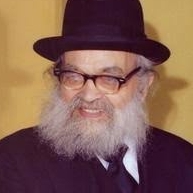
But it should be pointed out that, uh, Rav Yaakov Kamenetsky says it doesn't sound like they should have been punished, um, for, for allowing themselves to be a part of the census.
After all, it was the king's command, as he says here, [Hebrew], right? Um, and even if they don't have to listen to the king, the simple understanding is you do have a responsibility to listen to the king.
But, um, we're told, uh, rak chazak, to be strong, um, that's assuming that somebody's counting, uh, not in the king's, uh, instruction, but by the, by the one who's being counted, what do you want? He didn't do anything in the process.
And so, you know, why would it be that seventy thousand people would be held liable because David HaMelech went against the, uh, wishes of HaKadosh Baruch Hu, violated Torah law, and the people had no choice but to listen.
So it sounds like there's no isar on the one who's being counted.
Now, Rav Yaakov Kamenetsky comments and notes that, um, they, they, um, they-- it's not that they are not allowed to just sit by and allow themselves to be counted, 'cause as the pesikta points out, they should have, uh, turned around and offered some sort of machah, some sort of protest.
But the fact is that even the fact they didn't protest should not have been enough to cause them to have a magefah.
That, um, uh, they, they, uh...
And the Ramban in Bamidbar tes ayin chaf alef points out that maybe the punishment came to the people, uh, because they should have just turned around and said, "Okay, you want a census, we're giving half shekel coins." And, um, if that's the way that, uh, we're supposed to understand the avera, that the reason for the magefah was for the census, and the king didn't command that you're not allowed to give the coin, right? All he wanted was a number.
So then we understand, uh, that, uh, there should have been some sort of punishment, right? Um, we just understand they didn't pay off, right? And therefore, uh, based on that understanding, uh, there is a argument, why didn't you just give the money? But, um, Rav Yaakov goes on and says, it must be that, uh, the sin that they engaged in, uh, must be, uh, some sort of, uh, avera that remains unidentified, right? Like Rashi and the Radak point out over here.
But R-- um, and Rav Yaakov Kamenetsky comments and says, "Listen, um, this understanding that we can't figure it out, that's, uh, that comes out because the punishment over here came about because the census wasn't necessary." And so that, you know, that's why he says, "What do you expect for those who are being counted?" It should be pointed out that Rabbeinu Yehuda Waldenberg, the famous Tzemach Tzedek, Ezer, and Chelek Zayin, Siman Gimel, in the, uh, kundris that he put out for, uh, taking the Israeli census in the third perek, he points out that there is also an isar, uh, on those who are being counted.
Rav Yaakov doesn't seem to agree with that.
And instead, Rav Yaakov points out that when, um, when whatever each individual did, uh, that was guilty and, uh, made them chayav for their, um, involvement, David HaMelech still, uh, understood that, that, uh, he had a responsibility because he was given three, uh, options and he chose the, uh, pestilence.
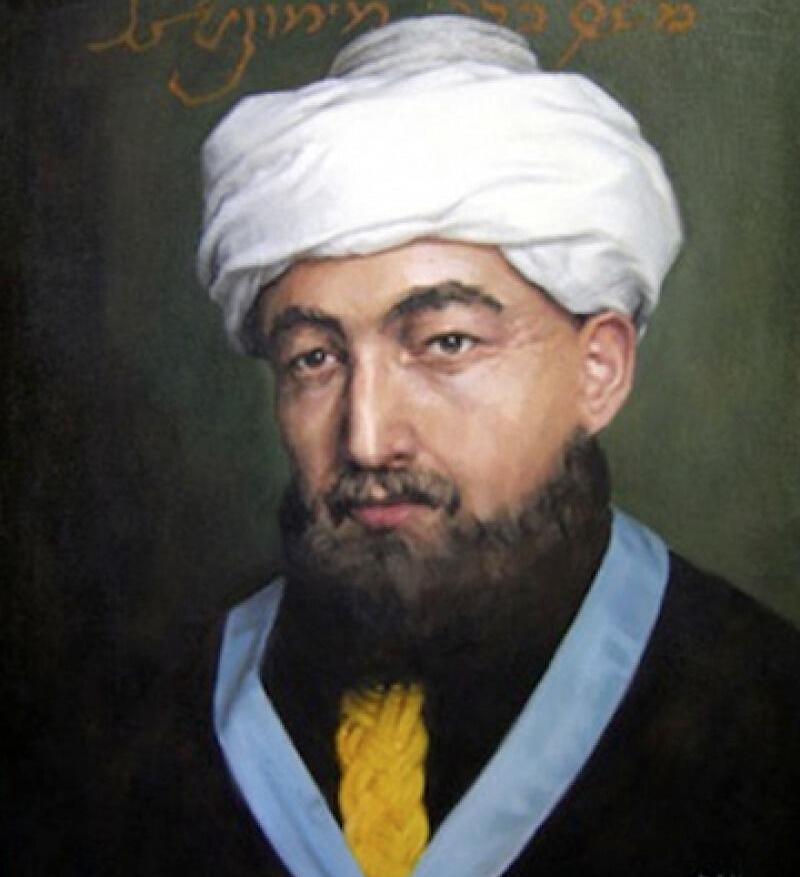
And he says, "Listen- Um, no matter what you want to say, the iser of counting, right, this iser of taking a census, uh, which falls on each individual, um, as the Rambam points out in Hochos Tmidim UMusafim in Parak Dalet Halacha Dalet, when he says, He says, you're only allowed to count Bnei Yisrael using some other means.
And of course, in Perek Chaf Dalet, we read about HaKadosh Baruch Hu's tremendous anger at David HaMelech and Bnei Yisrael.
And he starts, gives David HaMelech three opportunities to figure out how to atone, what type of punishment they need.
And so, of course, David HaMelech says, [Hebrew] "I prefer to fall in the hands of Hashem." And he chooses the dever, the pestilence that would go ahead and attack all the Bnei Yisrael, this terrible plague that wound up killing seventy thousand people.
So in Pasuk Yitzayn, David HaMelech turns to Hashem and he says, "Listen, [Hebrew] I did the avera over here.
[Hebrew] But what did they do? [Hebrew] Take the punishment out on me and my people." What exactly was the sin? And of course, how could he take responsibility for that which other people have done? And of course, Rashi and some of the other mefarshim are quick to point out that we don't exactly know what the, uh, punishment was.
We do know that he, he ordered the counting of Bnei Yisrael, and they of course did so, and the, the counting by number of heads became a fundamental difficulty as opposed to counting the way that where Bnei Yisrael is supposed to be counted, namely by the Chatzi Shekel coin.
And so the question comes up, what exactly caused this magefah? We know that Yoh Ben Tsriah tried to stop it.
We don't understand what caused it.
So of course, Rashi, uh, some, uh, uh, among, among the mefarshim are quick to point out that the problem was that they, uh, they counted.
They, they allowed the census to take place.
But it should be pointed out that, uh, Rav Yaakov Kamenetsky says it doesn't sound like they should have been punished, um, for, for allowing themselves to be a part of the census.
After all, it was the king's command, as he says here, [Hebrew], right? Um, and even if they don't have to listen to the king, the simple understanding is you do have a responsibility to listen to the king.
But, um, we're told, uh, rak chazak, to be strong, um, that's assuming that somebody's counting, uh, not in the king's, uh, instruction, but by the, by the one who's being counted, what do you want? He didn't do anything in the process.
And so, you know, why would it be that seventy thousand people would be held liable because David HaMelech went against the, uh, wishes of HaKadosh Baruch Hu, violated Torah law, and the people had no choice but to listen.
So it sounds like there's no isar on the one who's being counted.
Now, Rav Yaakov Kamenetsky comments and notes that, um, they, they, um, they-- it's not that they are not allowed to just sit by and allow themselves to be counted, 'cause as the pesikta points out, they should have, uh, turned around and offered some sort of machah, some sort of protest.
But the fact is that even the fact they didn't protest should not have been enough to cause them to have a magefah.
That, um, uh, they, they, uh...
And the Ramban in Bamidbar tes ayin chaf alef points out that maybe the punishment came to the people, uh, because they should have just turned around and said, "Okay, you want a census, we're giving half shekel coins." And, um, if that's the way that, uh, we're supposed to understand the avera, that the reason for the magefah was for the census, and the king didn't command that you're not allowed to give the coin, right? All he wanted was a number.
So then we understand, uh, that, uh, there should have been some sort of punishment, right? Um, we just understand they didn't pay off, right? And therefore, uh, based on that understanding, uh, there is a argument, why didn't you just give the money? But, um, Rav Yaakov goes on and says, it must be that, uh, the sin that they engaged in, uh, must be, uh, some sort of, uh, avera that remains unidentified, right? Like Rashi and the Radak point out over here.
But R-- um, and Rav Yaakov Kamenetsky comments and says, "Listen, um, this understanding that we can't figure it out, that's, uh, that comes out because the punishment over here came about because the census wasn't necessary." And so that, you know, that's why he says, "What do you expect for those who are being counted?" It should be pointed out that Rabbeinu Yehuda Waldenberg, the famous Tzemach Tzedek, Ezer, and Chelek Zayin, Siman Gimel, in the, uh, kundris that he put out for, uh, taking the Israeli census in the third perek, he points out that there is also an isar, uh, on those who are being counted.
Rav Yaakov doesn't seem to agree with that.
And instead, Rav Yaakov points out that when, um, when whatever each individual did, uh, that was guilty and, uh, made them chayav for their, um, involvement, David HaMelech still, uh, understood that, that, uh, he had a responsibility because he was given three, uh, options and he chose the, uh, pestilence.
And he says, "Listen- Um, no matter what you want to say, the iser of counting, right, this iser of taking a census, uh, which falls on each individual, um, as the Rambam points out in Hochos Tmidim UMusafim in Parak Dalet Halacha Dalet, when he says, He says, you're only allowed to count Bnei Yisrael using some other means.
The rest of this transcript — segmented and speaker-labeled, so you land on the exact moment something was said
Search every transcript — by keyword, by phrase, or by meaning, across every show Radar indexes
Trends — what is surging across podcasts, measured against its own baseline
Alerts — when a name you follow appears in a newly indexed episode
No account is needed to search Radar.