Jun 14, 2026 · 40 min · 13 segments
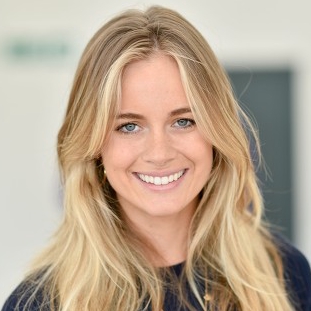
🌸 Cressida and Isabella are joined by doctor, author and TikTok star Dr Karan. 🌸Karan reflects on how growing up with a mum who was also a doctor shaped his path into medicine, he explores the…
Karan RajanGuestBut you obviously have in your mind from your upbringing a kind of more Eastern, um, like you were saying, Ayurveda and Reiki and...
Do you bring any of that sort of Eastern way into your work or thoughts? Or is it just something that's s- quite separate?

No, I, I think there's significant overlap, I think psychologically, neurologically, in how Eastern philosophy thinks about health.

decades or centuries in advance of what we have in the Western world when it certainly comes to mental health and cognition.

And even a lot of the science that we have nowadays, whether it's about gut health or nutrition, it has significant roots in Eastern traditions.

You know, whether it's Ayurveda and certain types of, you know, nutritional compounds when paired together can increase the bioavailability of others.

You know, like, I believe there was a study that suggested that if you combine, uh, black pepper and, uh, turmeric, the piperine in black pepper can increase the bioavailability of curcumin in turmeric.

We didn't just invent that science a decade ago or when that study was published.

So even when we talk about the gut-brain connection now, that seems like a very novel tangent of science, but the gut-brain connection and how, you know, different body parts are interconnected, again, that is traditional Chinese medicine, uh, in Japanese culture, in Ayurvedic culture, that's been known about for hundreds, if not thousands, of years.

We have just now got black-and-white science to prove what these cultures have known forever.

I'm glad, uh, Western science and traditional medicine is catching up with that.

It's always been, I think, part of how I see things, but now it's pleasing to see the greater world acknowledging that.
Is it right to say that the sort of Eastern way of looking at health and medicine is more preventative? It's like in the West, we put a plaster on the wound, but in the East, it's more sort of how do we prevent the wound in the first place?

But health is simply a way of life, the way you wake up, the way you feel, what types of foods you eat.

Some of the longest living populations in the world, they don't think about health.

I need to tick that off." It's just embedded and baked into the culture, into the movement, into the relationships, the social tribe culture.
But you obviously have in your mind from your upbringing a kind of more Eastern, um, like you were saying, Ayurveda and Reiki and...
Do you bring any of that sort of Eastern way into your work or thoughts? Or is it just something that's s- quite separate?

No, I, I think there's significant overlap, I think psychologically, neurologically, in how Eastern philosophy thinks about health.

decades or centuries in advance of what we have in the Western world when it certainly comes to mental health and cognition.

And even a lot of the science that we have nowadays, whether it's about gut health or nutrition, it has significant roots in Eastern traditions.

You know, whether it's Ayurveda and certain types of, you know, nutritional compounds when paired together can increase the bioavailability of others.

You know, like, I believe there was a study that suggested that if you combine, uh, black pepper and, uh, turmeric, the piperine in black pepper can increase the bioavailability of curcumin in turmeric.

We didn't just invent that science a decade ago or when that study was published.

So even when we talk about the gut-brain connection now, that seems like a very novel tangent of science, but the gut-brain connection and how, you know, different body parts are interconnected, again, that is traditional Chinese medicine, uh, in Japanese culture, in Ayurvedic culture, that's been known about for hundreds, if not thousands, of years.

We have just now got black-and-white science to prove what these cultures have known forever.

I'm glad, uh, Western science and traditional medicine is catching up with that.

It's always been, I think, part of how I see things, but now it's pleasing to see the greater world acknowledging that.
Is it right to say that the sort of Eastern way of looking at health and medicine is more preventative? It's like in the West, we put a plaster on the wound, but in the East, it's more sort of how do we prevent the wound in the first place?

But health is simply a way of life, the way you wake up, the way you feel, what types of foods you eat.

Some of the longest living populations in the world, they don't think about health.

I need to tick that off." It's just embedded and baked into the culture, into the movement, into the relationships, the social tribe culture.
The rest of this transcript — segmented and speaker-labeled, so you land on the exact moment something was said
Search every transcript — by keyword, by phrase, or by meaning, across every show Radar indexes
Trends — what is surging across podcasts, measured against its own baseline
Alerts — when a name you follow appears in a newly indexed episode
No account is needed to search Radar.