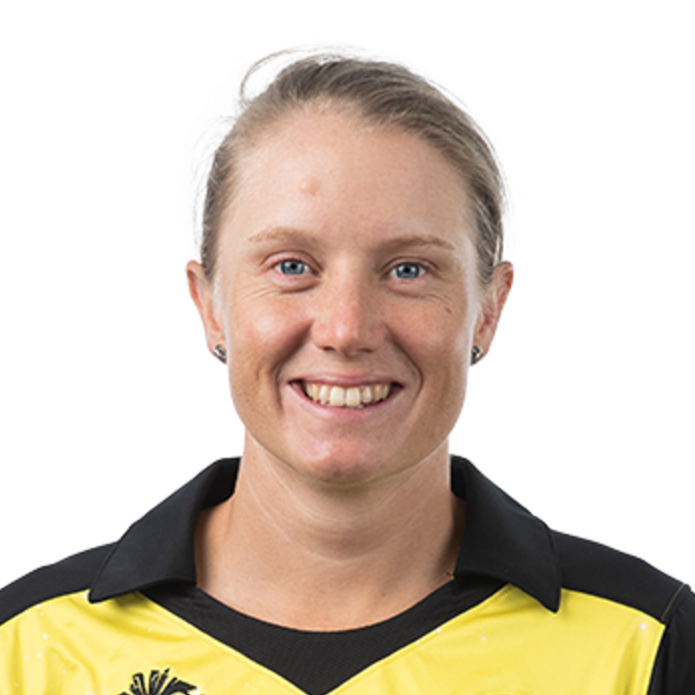
Know Your History with Shannon Gill
Oct 20, 2026 · 8 min · 6 segments
'Know Your History' - Australia's Women at the MCG. Gerard and Shannon discuss the history of Australia's Women cricket at the MCG.
So 76 years to the day was the rest day in the last Ashes Test at the MCG between England and Australian women.
There had been a, before World War II, there had been an idea that the Ashes series would be played with the same frequency as the men.
So there'd been a series in 34, 35 in here, and then there'd been one back in England in 37, World War II happens.
The, the interesting part of this is there's no international cricket, men's cricket that summer or the next summer in Australia.
So it's the only, the only international cricket, um, which makes it a big deal.
There's a, there's reporting about how the, the England team were guests at the trots one night, um, So all of this is happening and it's a bit of a golden summer for women's sports.
So the week before this test match was played, the MCG hosted the Victorian Women's Athletic Association Carnival, which drew 24,000 people.
And the star of world sport was the Dutch woman, Fanny Blenkers-Cohen, who had won four gold medals at the previous Olympics.
The coverage of it is, will we break the 24,000 that we got last week through the test series? Now there's no mention of them breaking the 24,000, so I guess they didn't.
So the coverage at the time, like as you'd expect in 1949, it's a little bit condescending, a little bit sexist, but it's pretty positive.
A guy called Bruce Andrew, who for older listeners might know him as he was on the world of sport panel.
Powerful pulls to leg, graceful glides down the gully, well-executed cover drives are played with supreme confidence and correctness.
Some of the younger members are inclined to prop at the well-pitched leg spinner.
But the veterans, Myrtle, and she's talking about the England team here, Myrtle McLagan, Molly Hyde, and Betty Snowball, all with previous test experience in their string bags, deal with this type of bowling in workmanlike style.
The rest of this transcript — segmented and speaker-labeled, so you land on the exact moment something was said
Search every transcript — by keyword, by phrase, or by meaning, across every show Radar indexes
Trends — what is surging across podcasts, measured against its own baseline
Alerts — when a name you follow appears in a newly indexed episode
No account is needed to search Radar.