What happens when we stop performing and allow ourselves to be truly seen?
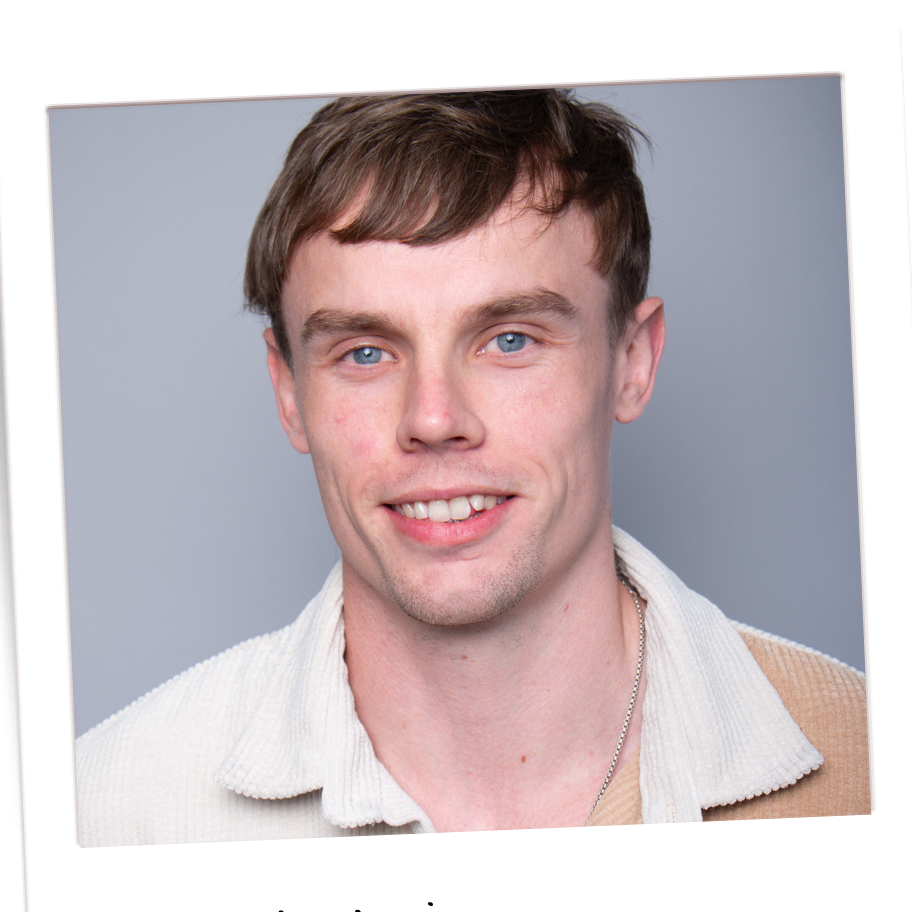
In this episode of the Inner Insights Podcast, I sit down with Irish writer, poet, spoken word performer and multidisciplinary artist **Daragh Fleming** for a deep and honest conversation about masculinity, mental health, vulnerability, intimacy, grief, creativity and what it means to live authentically.
Daragh has spent over a decade using writing and poetry to open up conversations around mental health. His work challenges the expectations placed on men and explores what happens when we let go of the need to perform who we think we're supposed to be.
We explore:
• Why so many men struggle to express emotions beyond anger
• The conditioning and expectations surrounding modern masculinity
• What it really means to take off the mask and be yourself
• Why true intimacy requires vulnerability and risk
• The fear of being rejected for who we really are
• How social media can turn vulnerability into another form of performance
• The pressure to turn ourselves into a "personal brand"
• Poetry and art as tools for processing emotions
• Grief as the final stage of love
• How losing someone can become a catalyst for purpose
• Male violence, emotional literacy and "emotional hygiene"
• Why empathy may be one of the most important qualities we can cultivate
• The resurgence of poetry and spoken word in a world craving deeper connection
Daragh also shares his beautiful poem **"The Saddest Summer"**, exploring grief, loneliness, numbness and the process of finding your way back to yourself.
This is a conversation about becoming more human, not less.
If you're interested in men's work, mental health, relationships, emotional intelligence, creativity or living with greater authenticity, I think you'll get a lot from this episode.
**Connect with Daragh Fleming:**
@DaraghFleming
His debut poetry collection is forthcoming with Penguin.
If this conversation resonates with you, please like, subscribe and share it with someone who might benefit from it.
#InnerInsights #DaraghFleming #MensWork #MentalHealth #Masculinity #Vulnerability #Authenticity #Grief #Poetry #SpokenWord