I'm Fine! - The Truth Behind the Smile
#17 Verna Lavender from Nurse to Research Leader: Cancer Care, Resilience & Compassion
Aug 5, 2026 · 33 min · 11 segments
This week on *I'm Fine – The Truth Behind the Smile,* Jayne Ellis is joined by **Verna Lavender**, Head of Nursing for Research, Innovation and Education at Guy's and St Thomas' NHS Foundation Trust…
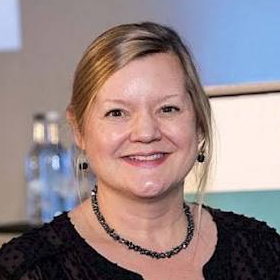
This week on *I'm Fine – The Truth Behind the Smile,* Jayne Ellis is joined by **Verna Lavender**, Head of Nursing for Research, Innovation and Education at Guy's and St Thomas' NHS Foundation Trust. Verna's career has taken her from working as a teenage care assistant, supporting herself through adversity, to becoming a cancer nurse, educator, researcher and leader in one of the UK's leading NHS organisations. In this honest and thoughtful conversation, Verna reflects on the experiences that shaped her career, including caring for her father during her nurse training, navigating repeated pregnancy loss whilst supporting patients with cancer, and finding the courage to pursue a PhD at a time when nurse researchers were still the exception rather than the norm. Together, Jayne and Verna explore how nursing has evolved over the past four decades, the growing demands placed on today's workforce, and why protecting compassionate patient care has never been more important. They also discuss professional identity, resilience, the emotional impact of caring, and the importance of recognising when *"I'm fine"* isn't really the truth. This episode is a powerful reminder that behind every experienced healthcare professional is a person with their own story—one that deserves just as much compassion as the patients they care for. *Dr Verna Lavender is the Head of Nursing for Research, Innovation and Education in Cancer and Surgery at Guy’s and St Thomas’ NHS Foundation Trust. She is a visiting associate professor at the University of Surrey, senior lecturer at King’s College London, a NIHR Nursing and Midwifery Senior Research Lead alumni and a Past President of the UK Oncology Nursing Society. Verna is a recognised cancer nurse academic with expertise in cancer nursing and cancer nurse education. She has extensive experience on national cancer care education committees and boards and has published widely on in the field of cancer nursing.* *Explore Verna's published work and academic background via her ORCID Profile: https://orcid.org/0000-0002-5871-4984* *Connect with Verna at https://www.linkedin.com/in/verna-lavender-7b775930/* *EF training exists because nobody should have to pour from an empty cup. Founded by Jayne Ellis who learnt the hard way so you don't have too.* If today's conversation resonated with you, please **subscribe, share and leave a review** - it helps more professionals who care find this community. If you or someone you know would like to join the conversation and be a guest on our podcast, please get in touch. **Connect with us at info@eftraining.co.uk** **Visit us at http://eftraining.co.uk** for more information about Jayne Ellis and learn about our Compassion Fatigue and Emotional Resilience Training for Organisations and Individuals. *Please note: This podcast is intended for education and supportive purposes only and is not a substitute for professional mental health support. If you are struggling, please reach out to a qualified professional or contact your GP.* *The views and options expressed by guests on this podcast are their own and do not necessarily reflect the views, values or position of EF training Ltd. Guest content is shared in the spirit of open conversation, learning and intended as a safe space for honest dialogue.*
This week on *I'm Fine – The Truth Behind the Smile,* Jayne Ellis is joined by **Verna Lavender**, Head of Nursing for Research, Innovation and Education at Guy's and St Thomas' NHS Foundation Trust…