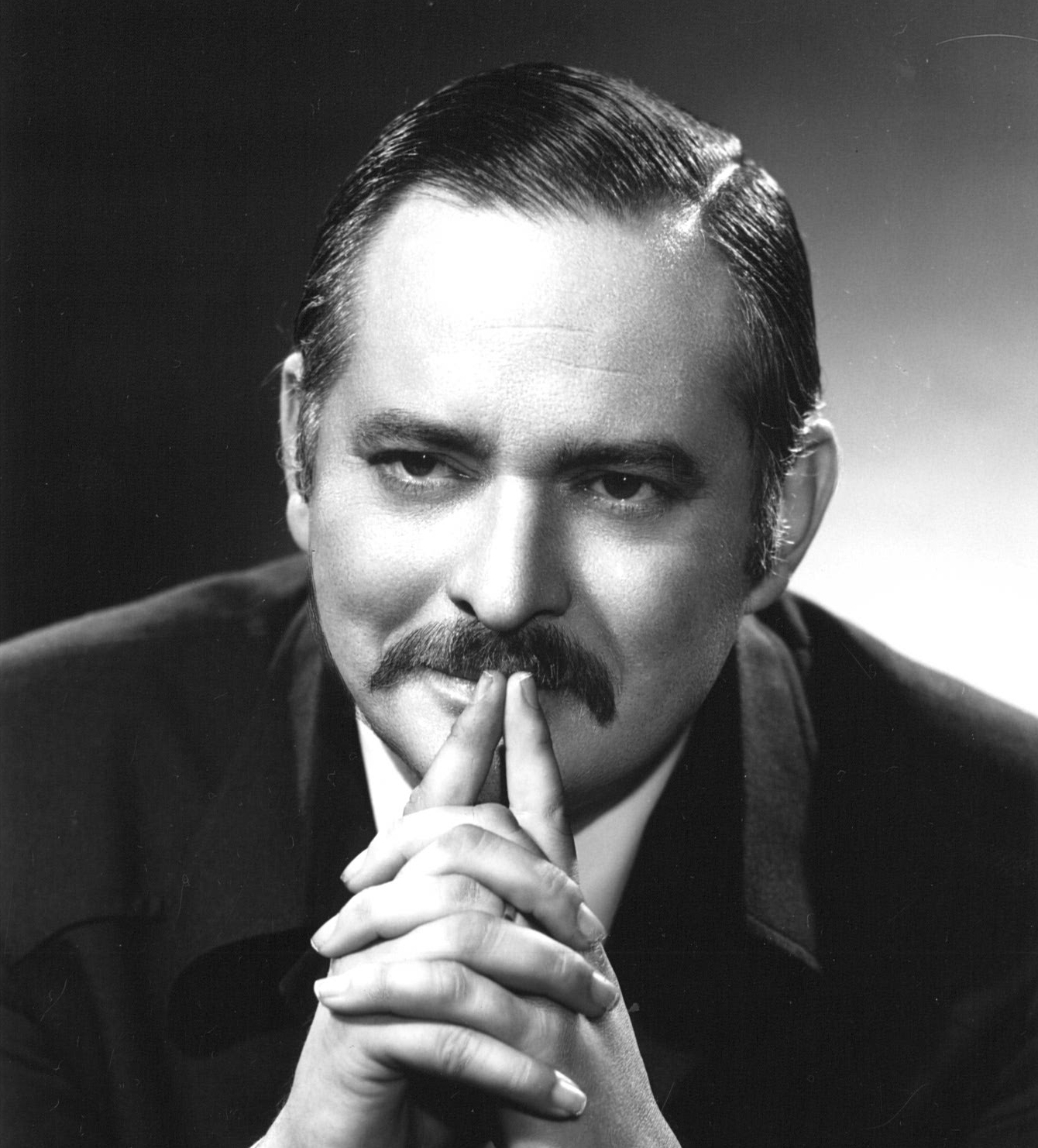
Gary OwenGuestAisha IssaGuest
Marie-Anne AlepinGuest
Nahlah AyedHost[crowd chanting] "Québec solidaire." "Québec solidaire." "Québec solidaire."

[crowd cheering] Elbow to elbow, they're packed into one of Montreal's most popular nightclubs.
[crowd chanting] "Amère." "Amère." "Amère."
[crowd cheering] 'We weren't sure André was going to win," explains this supporter, "But now he's been declared elected," she says, "So we're happy." [crowd cheering] An outsider stumbling into this space would surely think that it was a victory party.
The atmosphere is jubilant, at times ecstatic.
[crowd cheering] But in fact, it's a party for the party that came in last in the popular vote.
Québec Solidaire is the other separatist party of Québec.
A party volunteer explains why she thinks two separatist parties are needed right now.
I'd say the vision of sovereignty is very different.
For Québec Solidaire, it's an inclusive sovereignty.
[crowd cheering] It's proposing a constituent assembly where everyone gathers: First Nations, Inuit, Francophones, Anglophones, to decide what kind of Québec we want.
It's sovereignty with social justice.
That's a more exclusive sovereignty: identitarian, Francophone, Québécois, white.
With Québec Solidaire, it is a sovereignty that includes everyone.
[crowd cheering]

Note that supporters of the Parti Québécois do not endorse this account of what's separating the separatists.

But to focus on the distinction itself, excluding versus including is a tension that rises inevitably.

Where to draw the line with the neighbors? Today on Ideas, we continue our series on separatism in Canada and around the world.
[crowd chanting] "Québec solidaire." "Québec solidaire." "Québec solidaire."

[crowd cheering] Elbow to elbow, they're packed into one of Montreal's most popular nightclubs.
[crowd chanting] "Amère." "Amère." "Amère."
[crowd cheering] 'We weren't sure André was going to win," explains this supporter, "But now he's been declared elected," she says, "So we're happy." [crowd cheering] An outsider stumbling into this space would surely think that it was a victory party.
The atmosphere is jubilant, at times ecstatic.
[crowd cheering] But in fact, it's a party for the party that came in last in the popular vote.
Québec Solidaire is the other separatist party of Québec.
A party volunteer explains why she thinks two separatist parties are needed right now.
I'd say the vision of sovereignty is very different.
For Québec Solidaire, it's an inclusive sovereignty.
[crowd cheering] It's proposing a constituent assembly where everyone gathers: First Nations, Inuit, Francophones, Anglophones, to decide what kind of Québec we want.
It's sovereignty with social justice.
That's a more exclusive sovereignty: identitarian, Francophone, Québécois, white.
With Québec Solidaire, it is a sovereignty that includes everyone.
[crowd cheering]

Note that supporters of the Parti Québécois do not endorse this account of what's separating the separatists.

But to focus on the distinction itself, excluding versus including is a tension that rises inevitably.

Where to draw the line with the neighbors? Today on Ideas, we continue our series on separatism in Canada and around the world.
The rest of this transcript — segmented and speaker-labeled, so you land on the exact moment something was said
Search every transcript — by keyword, by phrase, or by meaning, across every show Radar indexes
Trends — what is surging across podcasts, measured against its own baseline
Alerts — when a name you follow appears in a newly indexed episode
No account is needed to search Radar.