Sep 16, 2026 · 1 hr 17 min · 19 segments
Every hotel seems to have its ghost story. But only one hotel was the inspiration for one of the most iconic ghost stories ... of all time. In 1974, Stephen King checked into room 217 of the Stanley…
John Estes, a Kentucky-born adventurer who had participated in the California Gold Rush, discovered the valley in 1859 while hunting.
He moved his family there in 1860, becoming the first permanent Euro-American settlers.
They built log cabins and ranches until leaving around 1866 due to harsh high-altitude winters and a short growing season.
In 1864, Rocky Mountain News editor William Byers visited, not that one, and he stayed with the Estes family and named the area Estes Park in their honor.
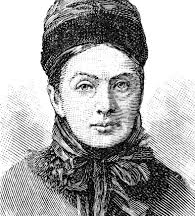
Griff Evans took over the former Estes property and established one of the area's first dude ranches, hosting travelers, hunters, and notable visitors such as English traveler Isabella Bird, who wrote A Lady's Life in the Rocky Mountains.
In the 1870s, settlers like Alexander and Clara McGregor established cattle ranches.
He aggressively acquired large tracts, estimates range up to six thousand to fifteen thousand acres, by stretching Homestead Act provisions and other means.
Other early tourism infrastructure included Elkhorn Lodge and efforts by figures like Enos Mills, who later championed the creation of Rocky Mountain National Park, which was established in 1915.
He was the co-inventor of the dry plate photographic process, which later sold to Kodak, and the Stanley Steamer automobile.
They spent the summer in Estes Park, and it turns out Stanley's health improved dramatically.
He envisioned turning Estes Park into a refined resort destination for upper-class Easterners and health seekers.
He improved roads, helped to establish the first bank, water company, sewer system, and more.
He used his own Stanley Mountain Wagons, which were specifically designed steam-powered multi-passenger vehicles, to ferry guests from rail depots in Lyons and elsewhere.
The rest of this transcript — segmented and speaker-labeled, so you land on the exact moment something was said
Search every transcript — by keyword, by phrase, or by meaning, across every show Radar indexes
Trends — what is surging across podcasts, measured against its own baseline
Alerts — when a name you follow appears in a newly indexed episode
No account is needed to search Radar.