Sep 24, 2026 · 11 min · 9 segments
Education is often only examined within a single domain before, during, and after armed conflicts, limiting the use and effectiveness of civil-affairs operations. In this episode, Jason Jabbari…
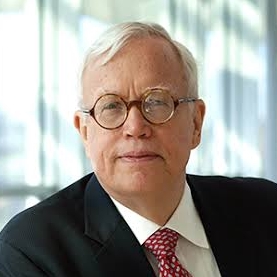
Jason JabbariGuestStephanie CriderHostWhy should military planners look beyond human capital or economic growth when evaluating a conflict zone's educational system?

We could think about the suicide bombers during 9-11, elite institutions in Nazi Germany.

And so we know that just post-secondary education, years of schooling and human capital really doesn't lead to democracy or stability.

So I think we need to adopt a much wider lens to understand how education functions pretty broadly in a society.
You also document how Russia has imposed its curriculum and national identity in occupied territories.
How can local civil affairs operations actively counter this specific type of political weaponization of schools?

We have some recent evidence linking education in Ukraine to how Russia is using schools and using students to try to Russify different parts of Ukraine.

We can think about imposed curriculum, using propaganda to kind of attempt to erase Ukrainian identity, forcing students over 18 as draftees.

We can view this as a weaponization of the political domain, right? schools be an attempt to flip places where democratic socialization can occur into tools of extremism.

How can democratic education Schools for Democracy, Youth for Democracy, these are programs in Ukraine that have really adapted to wartime with online delivery.

But I think here, you know, for civil affairs, we're thinking about commanders downrange, and I think data like this can be used to pinpoint that schools may be used for indoctrination or child soldier recruitment, which might have implications for military engagements.

And so here, it's important to note that civil affairs is not just about post-conflict rebuilding.

It's about providing information that battlefield commanders can use, again, or not use.

And I think the Ukraine example is a good one because it does demonstrate how education is being used or attempted to be used by Russia in the current war.
Why should military planners look beyond human capital or economic growth when evaluating a conflict zone's educational system?

We could think about the suicide bombers during 9-11, elite institutions in Nazi Germany.

And so we know that just post-secondary education, years of schooling and human capital really doesn't lead to democracy or stability.

So I think we need to adopt a much wider lens to understand how education functions pretty broadly in a society.
You also document how Russia has imposed its curriculum and national identity in occupied territories.
How can local civil affairs operations actively counter this specific type of political weaponization of schools?

We have some recent evidence linking education in Ukraine to how Russia is using schools and using students to try to Russify different parts of Ukraine.

We can think about imposed curriculum, using propaganda to kind of attempt to erase Ukrainian identity, forcing students over 18 as draftees.

We can view this as a weaponization of the political domain, right? schools be an attempt to flip places where democratic socialization can occur into tools of extremism.

How can democratic education Schools for Democracy, Youth for Democracy, these are programs in Ukraine that have really adapted to wartime with online delivery.

But I think here, you know, for civil affairs, we're thinking about commanders downrange, and I think data like this can be used to pinpoint that schools may be used for indoctrination or child soldier recruitment, which might have implications for military engagements.

And so here, it's important to note that civil affairs is not just about post-conflict rebuilding.

It's about providing information that battlefield commanders can use, again, or not use.

And I think the Ukraine example is a good one because it does demonstrate how education is being used or attempted to be used by Russia in the current war.
The rest of this transcript — segmented and speaker-labeled, so you land on the exact moment something was said
Search every transcript — by keyword, by phrase, or by meaning, across every show Radar indexes
Trends — what is surging across podcasts, measured against its own baseline
Alerts — when a name you follow appears in a newly indexed episode
No account is needed to search Radar.