Sep 16, 2026 · 16 min · 5 segments
There are so many terms to describe human experience and by extension ways to describe how to do mental health treatment. The number of terms can be overwhelming, especially to new professionals. In…
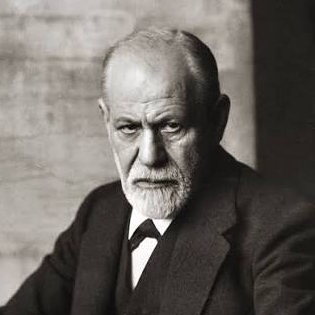
Going back over a hundred years, Freud, as in Sigmund Freud, founder of psychoanalysis, wrote this, and I quote, this struggle between the doctor and the patient, between intellect and instinctual life, between understanding and seeking to act, A few years later, he emphasized, again quoting, In correspondence with Carl Jung, one of Freud's students who later goes on to found analytical psychology, it was discussed that Freud's experience of a patient transferring a feeling-toned memory image to him was significant.
I always like that phrase, feeling-toned memory image.
There's so much laden in there when we are listening to our patients explain their history, for example, or maybe even accounts from their day.
It is both a memory, but it has some affect or some feeling to it.
And the way they described it early on was a feeling-toned memory.
memory image.
And while these two are rather renowned for some major disagreements they had, Jung wrote, the main problem of medical psychotherapy is the transference.
These quotes are from writings of theirs in 1912, 1917, 1929, and the reflection there from Young in 1963.
I'll put links in the show notes to where these quotes are located.
From early on, they're trying to grapple with this idea of what it's like to be supporting someone as a mental health.
In this case, they were actually medical professionals who were trying to understand how emotional health contributed and interacted with physical health.
Again, this is over 100 years ago.
So there's lots of ways that our current practice of mental health is much different, but the essence of being with someone and experiencing what Freud called a transference of a feeling-toned memory image from your patient remains very similar.
And that's because I think it's a human experience, not necessarily a mental health treatment or something that's exclusive to a medical encounter.
What I find interesting here and why I think it's important that we start tying concepts together is that psychoanalysis has taken the idea of transference very far in terms of how we, quote, interpret the transference such that we can make diagnostic and other treatment decisions.
And so let's just remind ourselves what I mean when I say interpret the transference.
Well, in many consultation groups, when you're first learning to practice in a psychoanalytic or a psychodynamic way, we're taught to try to encapsulate this feeling-toned memory image that we are experiencing when we hear our patients discuss different things in the treatment.
And typically, especially when you're first learning, but all throughout your career, it's a good practice to share these experiences with other colleagues because it's helpful to have that sort of triangulated view where when you're the recipient, of these experiences, you're kind of part of it.
And later contributions to the field of analysis will increasingly describe how we are not an objective observer in the room.
We are influence the patient in similar ways to the way they influence us.
And so it's good practice to bring these experiences to trusted colleagues in order to help try to make sense of them.
And in the hundred or so years since these quotes were first stated, in my experience, our fields have primarily focused on what is said and in the room and sort of direct quotes about content shared in session as being the transference.
The struggle between the doctor and the patient, between intellect and instinctual life, between understanding and seeking to act is played out almost exclusively in the phenomena of transference.
The rest of this transcript — segmented and speaker-labeled, so you land on the exact moment something was said
Search every transcript — by keyword, by phrase, or by meaning, across every show Radar indexes
Trends — what is surging across podcasts, measured against its own baseline
Alerts — when a name you follow appears in a newly indexed episode
No account is needed to search Radar.