25. Mapping What Matters 3: Life-centred Design - seeing the bigger picture
Aug 26, 2026 · 16 min · 9 segments
**How can we move beyond mapping what exists to designing the futures our communities need?** Having explored strengths-based thinking in the previous episodes, host Dr. Katie Blair is joined by…
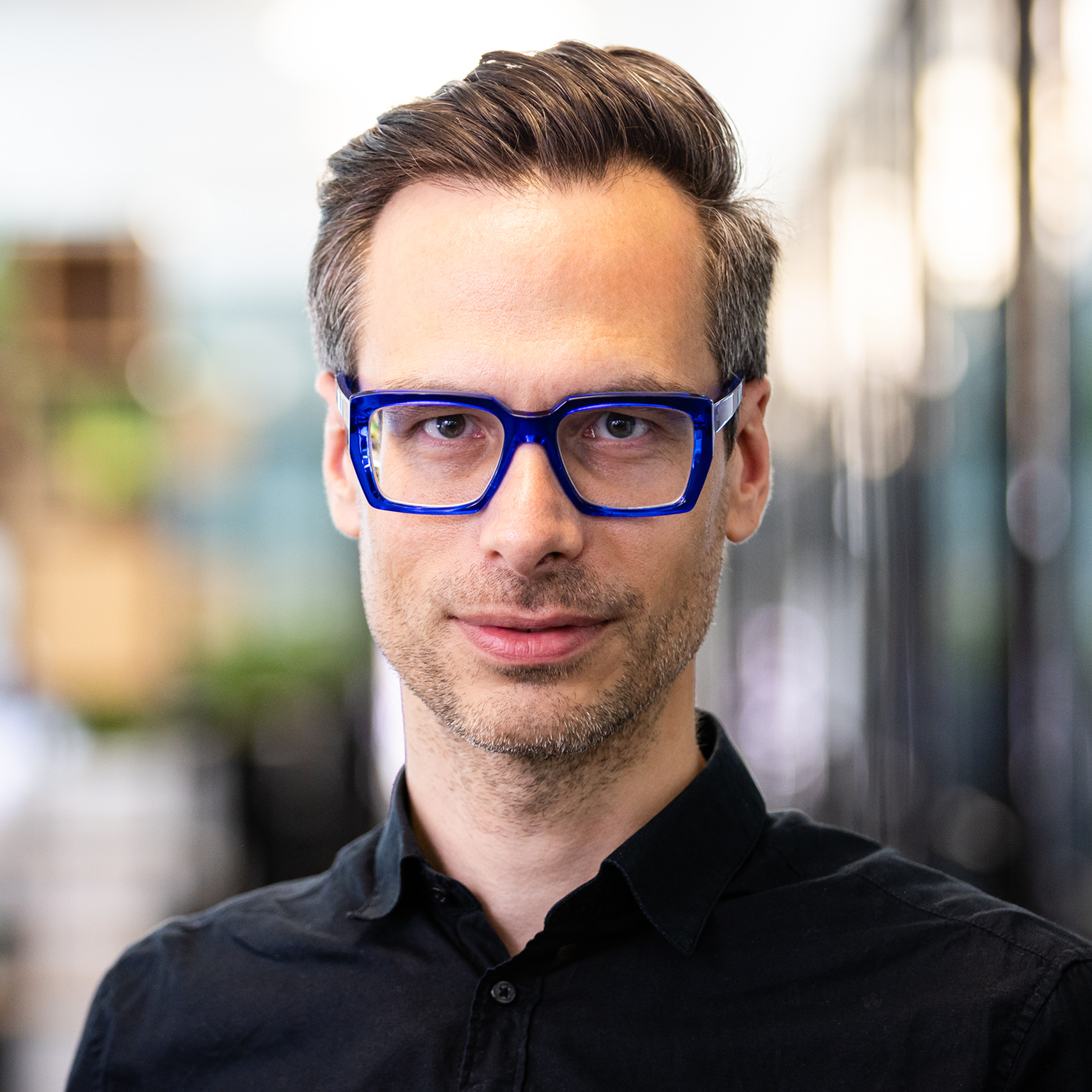
**How can we move beyond mapping what exists to designing the futures our communities need?** Having explored strengths-based thinking in the previous episodes, host Dr. Katie Blair is joined by **Professor Martin Tomitsch** to ask a different question: what happens when we zoom out and understand the systems that shape communities? Martin introduces listeners to **life-centred design**, an approach that expands our focus beyond individual people to include relationships, ecosystems, institutions and future generations. While identifying community strengths remains important, he argues that real change requires us to understand the wider systems in which those strengths exist. Drawing on examples ranging from IKEA's iconic Poäng chair to climate adaptation and disaster recovery, Martin introduces three practical steps - **systems mapping**, the **middle-out approach**, and **backcasting** - that help practitioners understand complexity, build coalitions and create shared visions for the future. Rather than treating communities as isolated places with fixed boundaries, this episode invites us to see them as interconnected systems. By combining strengths-based thinking with systems design and future-focused planning, Martin demonstrates how we can move beyond identifying assets to creating the conditions for lasting change. Whether you're working in community development, local government, design or policy, this episode provides practical tools for navigating complexity and planning collaboratively for the future. **Voices** **Katie Blair, PhD** is Manager, Research and Evaluation at the Centre for Social Justice and Inclusion at the University of Technology Sydney. Her work focuses on community-engaged research, participatory evaluation and strengthening community voice to support meaningful social change. **Professor Martin Tomitsch** is Head of the Transdisciplinary School at the University of Technology Sydney. His research focuses on life-centred design, systems thinking and transdisciplinary approaches to addressing complex societal challenges. Martin works with governments, industry and communities to design more sustainable, inclusive and future-focused systems and services. **Credits** Written by Mitra Gusheh, Tshinta Morris, Anusha Muller and Katie Blair. Recorded and edited by Jane Curtis and Lachlan A'Court. Executive producer: Sarah Gilbert. *Mapping What Matters* is made by UTS Impact Studios, in collaboration with the UTS Centre for Social Justice and Inclusion and Glebe Youth Service. This project was also supported by the Paul Ramsey Foundation.*Mapping What Matters* is made by UTS Impact Studios, in collaboration with the UTS Centre for Social Justice and Inclusion and Glebe Youth Service. This project was also supported by the Paul Ramsey Foundation. **Resources** - Mapping What Matters - Life-Centred Design Summary Sheet - Tomitsch, M. (2025). More-than-human cities: how to bring life- centred design principles to urban spaces. In E. Rosenzweig, &; A. Davis (eds), Usability for the World: Building BetterCities and Communities (pp. 97-124). Spinger. - Tomitsch, M. et al. (2024). ‘Reflections on the usefulness and limitations of tools for life-centred design’, Design Research Society. - Tomitsch, M. & Baty, S. (2023). Designing Tomorrow: Strategic Design Tactics to Change Your Practice. BIS Publishers.
**How can we move beyond mapping what exists to designing the futures our communities need?** Having explored strengths-based thinking in the previous episodes, host Dr. Katie Blair is joined by…
- Show signals
- SuitabilitySafeBiasNot political