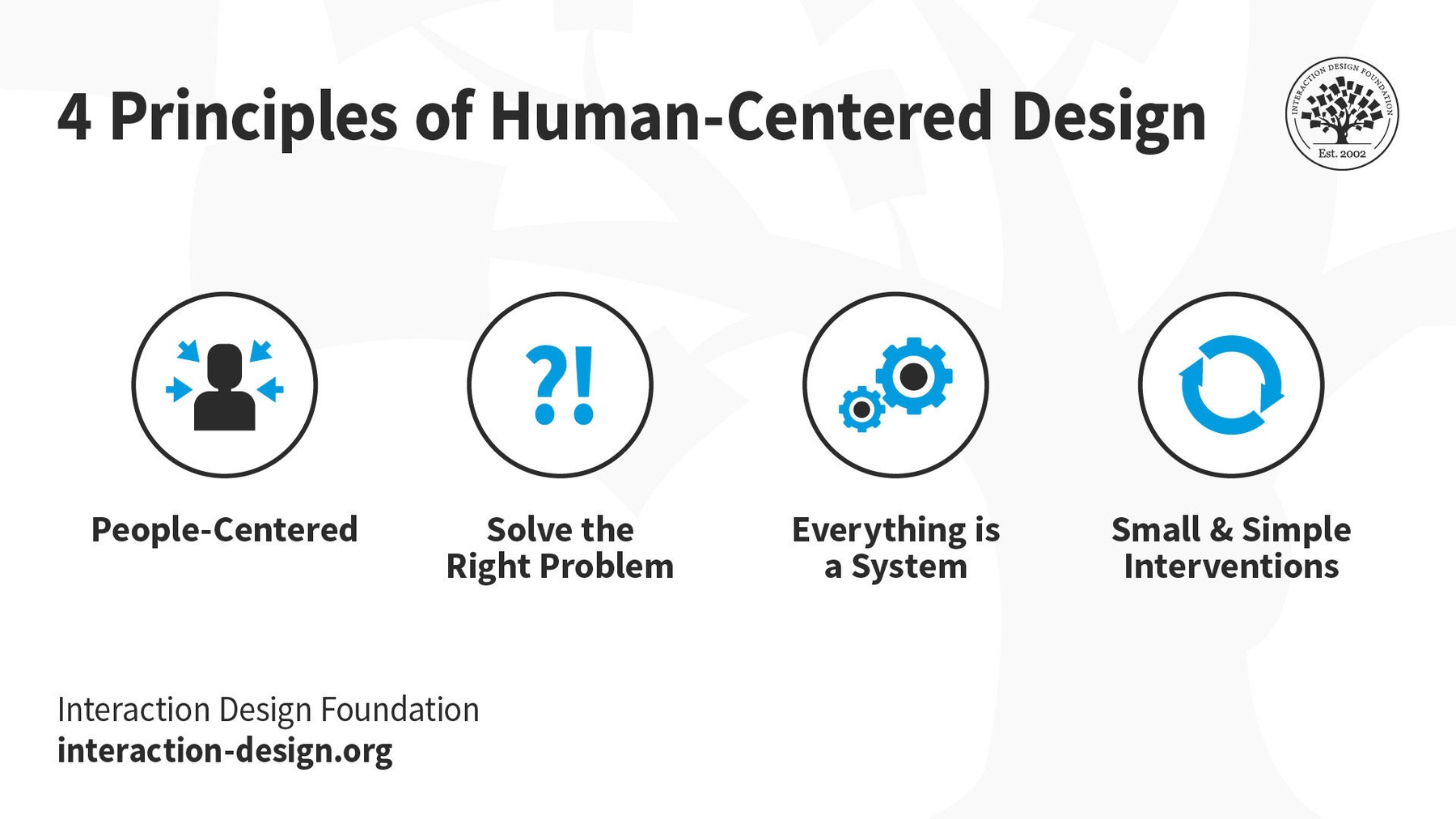
Human-centered design
33
MENTIONS
5
EPISODES
5
PODCASTS
Search complete. 33 mentions across 5 episodes found for "Human-centered design".
Sep 7, 2026

Dave EvansGUEST
The five-step version is the steps of design as taught at Stanford University since 1963.
Dave EvansGUEST
This thing we now call design thinking was originally called and still technically known as HCD, human-centered design.
Dave EvansGUEST
And it starts with empathy.
Dave EvansGUEST
Step one is really understand what's going on.

BlessedHOST
And of course, there is another, which is dignity over pity.
BlessedHOST
Now, in a culture that often prioritizes aesthetics and novelty, what does truly human-centered design look like to
Douglas KatzGUEST
you? I'm very limited to my own world.
Douglas KatzGUEST
But it's really efficiency.

speaker_0HOST
[on-hold music] Welcome to Five Minute UX, where UX learning is brief, actionable, and ready to put into practice now.
speaker_0HOST
This lesson is Human-Centered Design, what it is and why it matters.
speaker_0HOST
Let's get started.
speaker_0HOST
First section, the problem of vague definitions.
speaker_0HOST
Ask any team how they handle human-centered design, and the answers often reveal a poorly defined understanding of the concept itself.
speaker_0HOST
Without a clear definition, organizations struggle to measure how well they actually achieve human-centered outcomes for their users.
speaker_0HOST
This ambiguity creates a dangerous gap between theoretical emphasis and practical application in your daily work.
speaker_0HOST
We need to bridge the divide between abstract ideas and the concrete results that drive user satisfaction.

Stella SafoHOST
If we want better out- outcomes, we have to ask better questions like, "Who is this system actually designed and working for? Who's being left out? And what would change if we designed healthcare with people instead of simply delivering care to them in mind?" That's why I'm glad to be joined by Sonia Panagrahí.
Stella SafoHOST
Sonia is a public health strategist whose work sits at the intersection of healthcare operations, human-centered design, and health equity.
Stella SafoHOST
She spent years helping organizations understand not only what the data says, but also what people's lived experiences reveal about where care breakdowns happen and how to build something better together.
Stella SafoHOST
[upbeat music] So Sonia, welcome to Octavia's Cure.
Stella SafoHOST
I'm so excited to have you because we hear these terms a lot, and I use them a lot, and I'm, I live in this world, right? And sometimes I'll be talking with patients, and I just get the sense like, wow, patients don't realize how much of design work is happening around them and how often they're being kinda left out of that.
Stella SafoHOST
So before we jump into all of this, I would love to have you describe to us what all the different parts of your career are.
Stella SafoHOST
This public health part, this human-centered design part, healthcare transformation.
Stella SafoHOST
Just in like everyday language, what does that mean? Just tell us a little, a little bit about your career journey.

Abigail WooldridgeGUEST
I have it here.
Abigail WooldridgeGUEST
It's called Human-Centered Design for Healthcare Safety, Seeps in Action.
Abigail WooldridgeGUEST
And this is a wonderful resource.
Abigail WooldridgeGUEST
It's relatively short not a not a horrible read maybe 200 pages or so written by pascal that talks about the evolution of thinking about safety and health care the historical background of socio-technical system macro ergonomics how human factors and ergonomics fits in human-centered design and then there's lovely chapters that just have cases and cases of how we've done this work so you could read this for you know some inspiration as well as additional resources But yeah, just really reach out.
Abigail WooldridgeGUEST
We love to talk to people and we're always looking for ways to solve problems and make things better and safer.
Abigail WooldridgeGUEST
Whether it's for a clinician, maybe you're having a really frustrating time at work, you're starting to feel burnt out and you need some help thinking about what could we do differently rather than those individual targeted resilience exercises.