Oct 21, 2026 · 30 min · 10 segments
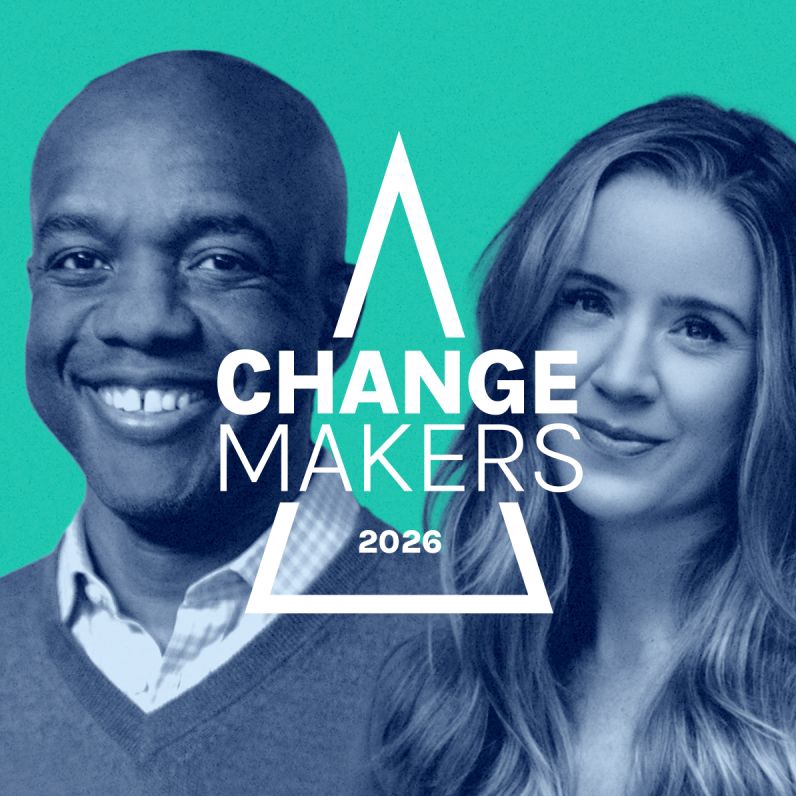
What does it take to build an open, inclusive, and trustworthy internet in a world where technological power is increasingly concentrated in the hands of a few? In this episode of Tech Talks, CDT…
Alexandra GivensHost
Jamal MagbyHost
There's a related threat emerging, which is maybe different in kind, but similar in results.


And much as you were just describing now, there is a very understandable reason why people are doing this, right? The weight of scraping traffic, concerns about intellectual property.

I mean, all of these different considerations as there is an increasing number of AI-related crawling happening on the web.

But we've also worried about the result being a greater reliance on walled gardens and it being harder than ever for users to be able to access information in the way that we historically have been able to do so across the web.
We start from the premise that the internet is at its best when it's decentralized and when people can choose the products and services that work for them without being locked in.
I think this tendency towards wild gardens has been with us since the beginning of the internet.
There's always been this commercial tendency, this commercial desire to lock in a user base, to control how that user base interacts with the technology.
And then over time, that user base gets a bit unhappy and starts breaking out because innovation, you know, the people desire new services, they want interoperability.
And so I don't say that to dismiss what we're seeing now, but it is something that is a I think, a natural tendency that
The issue that you're speaking about right now, I think, is really important.
And I guess, you know, ISOC directly doesn't engage on this, but where this is happening, of course, a lot of the discussion around this is in the Internet Engineering Task Force.
And that's really important because the extent to which this conversation can happen in an open standards environment is a really good thing.
So much of the dialogue around AI is happening within proprietary systems in these closed off environments.
And so while this is a really, really hard problem, I do want to at least acknowledge that it's happening in a space where organizations like CDT can participate actively, where publishers can participate, where owners of creative works can be part of the discussion.

I love that it's been five minutes and we have a plug for the standards bodies.

There's some CDT listeners who will be denizens of the IETF and know all about this and others who aren't.

And to them, I will say this, which is I will never forget the lesson I had once I led what I thought had been a very successful advocacy meeting at the White House.
The rest of this transcript — segmented and speaker-labeled, so you land on the exact moment something was said
Search every transcript — by keyword, by phrase, or by meaning, across every show Radar indexes
Trends — what is surging across podcasts, measured against its own baseline
Alerts — when a name you follow appears in a newly indexed episode
No account is needed to search Radar.