Butternomics the Business of Culture
Jun 9, 2026 · 53 min · 12 segments
Atlanta calls itself the Black Mecca. But ask who actually owns the city, who gets pushed out when the money moves, and who benefits from all this growth, and the answer gets complicated. Nathaniel…
Brandon ButlerHost
Now, growing up in Atlanta in the 90s, you said, you know, your parents were activists.

Like, what was that? What was your experience in Atlanta like in the 90s? Because a lot of people, when they think, they just think about Freak Nick and all this other stuff.
a beautiful thing as it relates to ensuring and protecting black children and their ability to grow up with a sense of pride.
You know, we didn't have to look for, you know, entrepreneurs or, you know, my doctor was a black doctor.
And so, you know, it was very diverse in terms of class and the various aspirations that people had.
But I think kids then, you know, had an opportunity, regardless of whether you lived in East Lake Meadows or Bankhead Courts or lived in a middle class neighborhood because of our public school system.
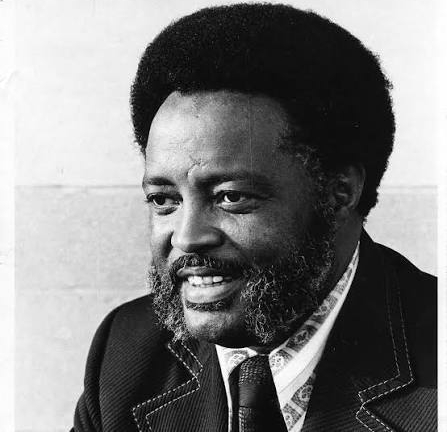
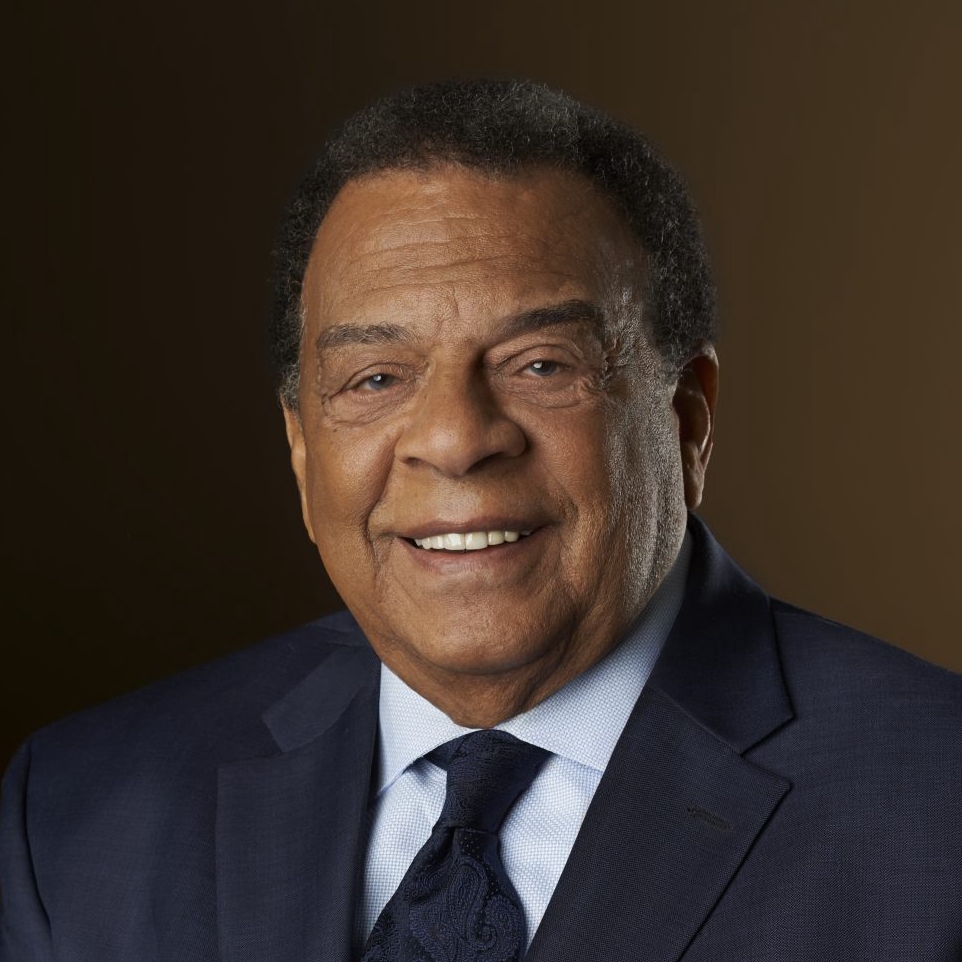
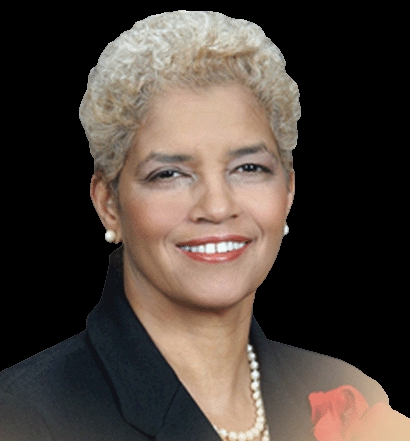
And also we had an opportunity to look at the TV and see a Maynard Jackson, to see Andrew Young, to see a Shirley Franklin and other Atlanta leaders.
But I also, you know, to be completely honest, I think it was my experience pretty much a tale of two cities because.
You know, I would get off the bus coming from greater high school and go to SCLC and spend time with my aunt who raised me.
And, you know, be around incredible people like Joseph Lowry or, you know, Hosea Williams or Lester Hankinson or Rita Samuels and all these great people.
And at that time, I had an opportunity to be a spokesperson for SCLC while I was in high school.
So I would go from that, right? To home, which was Kirkwood in the 90s during the crack epidemic, right, where, you know, it was still a community.

Now, growing up in Atlanta in the 90s, you said, you know, your parents were activists.

Like, what was that? What was your experience in Atlanta like in the 90s? Because a lot of people, when they think, they just think about Freak Nick and all this other stuff.
a beautiful thing as it relates to ensuring and protecting black children and their ability to grow up with a sense of pride.
You know, we didn't have to look for, you know, entrepreneurs or, you know, my doctor was a black doctor.
And so, you know, it was very diverse in terms of class and the various aspirations that people had.
But I think kids then, you know, had an opportunity, regardless of whether you lived in East Lake Meadows or Bankhead Courts or lived in a middle class neighborhood because of our public school system.
And also we had an opportunity to look at the TV and see a Maynard Jackson, to see Andrew Young, to see a Shirley Franklin and other Atlanta leaders.
But I also, you know, to be completely honest, I think it was my experience pretty much a tale of two cities because.
You know, I would get off the bus coming from greater high school and go to SCLC and spend time with my aunt who raised me.
And, you know, be around incredible people like Joseph Lowry or, you know, Hosea Williams or Lester Hankinson or Rita Samuels and all these great people.
And at that time, I had an opportunity to be a spokesperson for SCLC while I was in high school.
So I would go from that, right? To home, which was Kirkwood in the 90s during the crack epidemic, right, where, you know, it was still a community.
The rest of this transcript — segmented and speaker-labeled, so you land on the exact moment something was said
Search every transcript — by keyword, by phrase, or by meaning, across every show Radar indexes
Trends — what is surging across podcasts, measured against its own baseline
Alerts — when a name you follow appears in a newly indexed episode
No account is needed to search Radar.