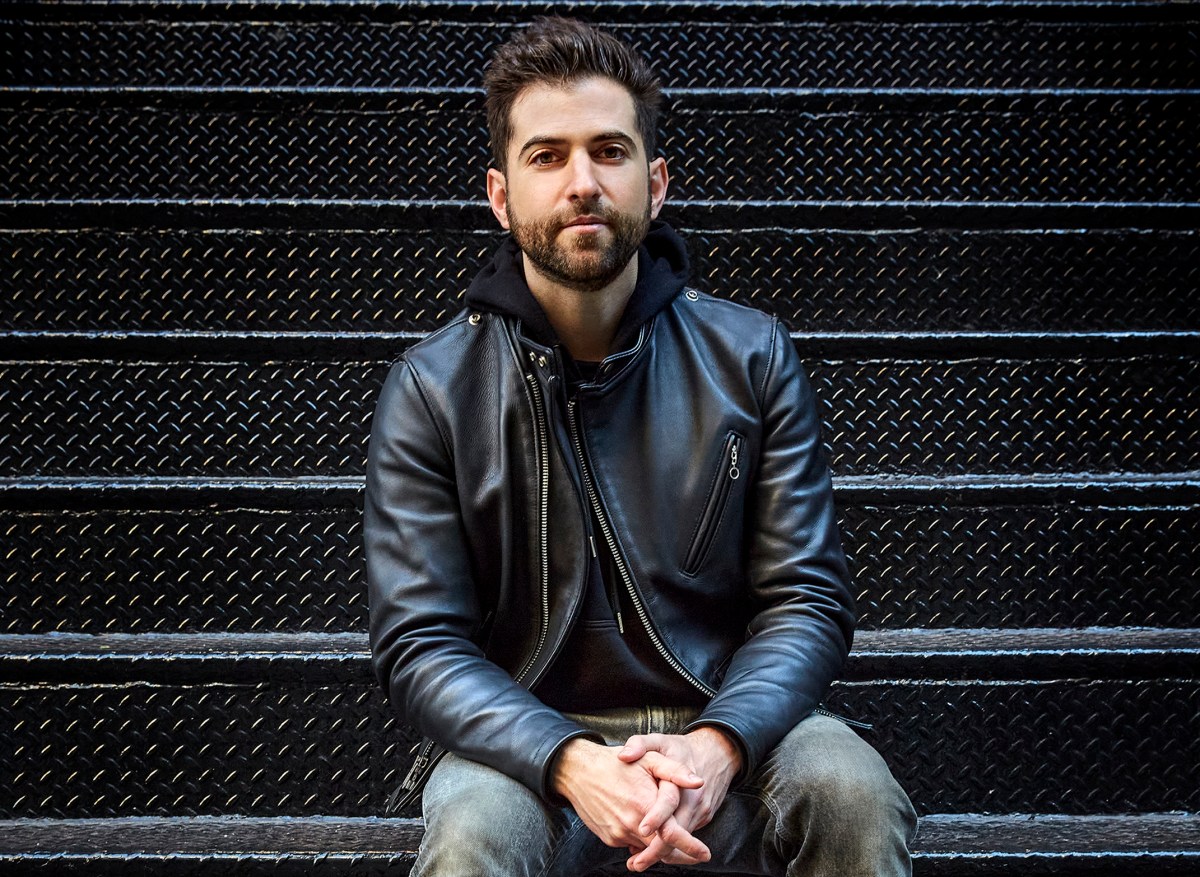
Zachary Wigon
American film critic
6
APPEARANCES
6
PODCASTS
Nov 18, 2026

Sammy SmartHOST
And so I just wondered if you could speak a bit about the thought that went into the visual language of the film.

Zachary WigonGUEST
You know, there's like sort of traditional coverage, you know, and sometimes you fall back on that because you don't want to overstimulate the viewer visually.
Zachary WigonGUEST
There's no visual idea in that scene, right? It's not speaking to what cinema can do as a visual language.
Zachary WigonGUEST
Again, sometimes you do have to operate on that wavelength relatively to other scenes in the film.


Zachary WigonGUEST
And what was exciting about that film was the combination of a period setting that's rendered very deliberately, very carefully, and at the same time, pushing against this deliberate period construction through production design and wardrobe with a very contemporary, aggressively stylized visual style, which Park Chan-wook deploys so well in all of his work.
Zachary WigonGUEST
And that was a key reference point for me when I first encountered this material because when I first read Virginia's novel, it was immediately clear that even though the novel is set in the Victorian era, it is very aggressively contemporary in its sensibility.
Zachary WigonGUEST
And to do something that had a proper period look with... a very contemporary stylized language was exciting to me.
21 MINS LATER


Zachary WigonGUEST
So I'll start by saying, so the most important thing to answer your question is the time that you spend developing the script.
Zachary WigonGUEST
Because the script is the genesis of everything that follows that you're asking about.
Freddy NutiHOST
this is the stuff i love to talk about because when people watch a movie they appreciate for whatever is on the screen but they don't know about the hard work and labor that was put into it way before i even made it to the screen and it's so cool to see so much collaboration and there are moments i would love to talk about the ear scene specifically because i was just like how did you guys pull that off i was like uh someone's like i'm like i'm just like thinking to myself like i'm this this is amazing even though the thing you were able to do with uh the book being shot that's all i'll say i'm just like just as all of these shots are just like blowing my mind i'm just like i'm writing notes i'm like make sure to talk about this shot in this shot with the director those


Zachary WigonGUEST
When I reached out to Micah, I was really, I have been a fan of hers for many years.
Zachary WigonGUEST
That she has this quality about her where It makes you very curious to understand what's going on in her head.
Zachary WigonGUEST
And you know that something's happening there, but something's being withheld from being fully expressed.
23 MINS LATER


Nadia DalimonteCORRESPONDENT
Could you speak to working with your DP on this and just finding those moments of, playfulness through the camera angles and the movements.
Zachary WigonGUEST
So basically, once you finish developing the script, the moment of the process that I really enjoy is I get to just sit with the script and it's just me in a quiet room and you can just read the script and imagine the movie in your head.
Zachary WigonGUEST
And that's essentially a moment of translation where you're taking all the things the screenplay is doing and you're just trying to render them in audiovisual format.
Zachary WigonGUEST
Um, so I knew that I wanted it to be a very subjectively told and felt story.
Zachary WigonGUEST
You know, for example, like that opening shot that you're talking about, I wanted it to feel kind of like, almost like you're catching like somebody like on duty, but like not doing their job.

Alrik BursellHOST
Like, did you land representation off of The Heart Machine? And how did you get to a position where you were able to, like, even pitch or, you know, get approached to do a movie like Sanctuary?