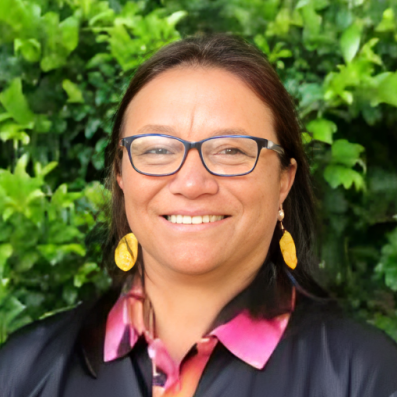
Yeena Thompson
1
APPEARANCES
1
PODCASTS
Aug 16, 2026

19:23

The panel ensures that time and resources are directed to where they're most needed.

Yeena ThompsonGUEST
The process of change for blackfellas is really slow in this, in our country, you know, and we should be having way better outcomes in lots of things in our social determinants quicker than what they are happening.
Yeena ThompsonGUEST
And so we're trying to use research now, you know, looking at what does close the gap mean to us individually It's not only health, you know, we don't look at health as this standalone thing.
Yeena ThompsonGUEST
So our country, our language, our culture, our health, they all have to fit together because we say if our country is healthy, we're healthy.
Yeena ThompsonGUEST
learning the relationship between cultural practices and health outcomes for people.
Yeena ThompsonGUEST
They're the things that we're really excited that more people from our communities are going to be researching that stuff themselves and creating this new knowledge.
21:20
These 35 people include not only researchers and clinicians, but also Aboriginal health workers, traditional owners, Worimi and Awabakal elders and everyday people from the community.