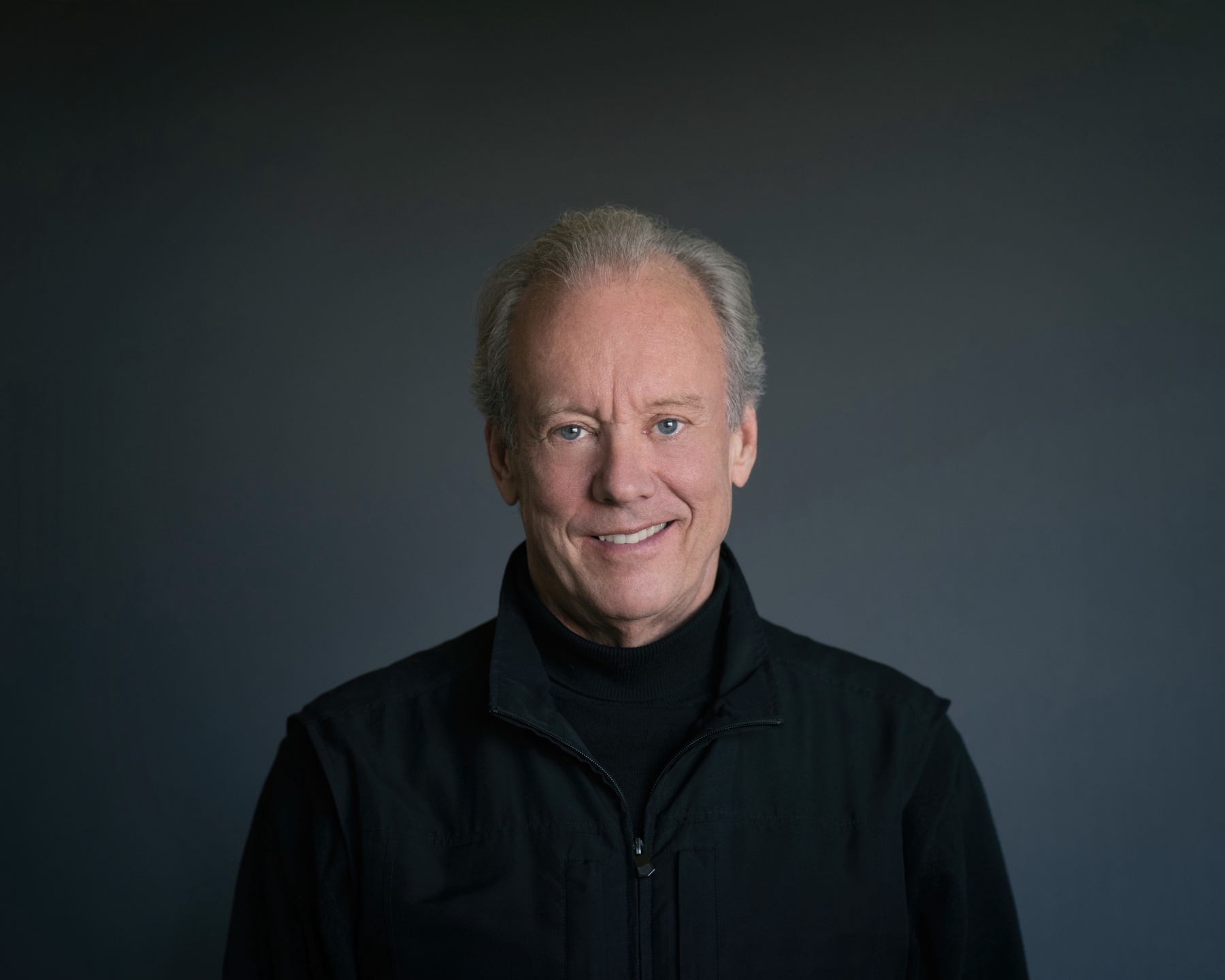
William McDonough
American architect and academic
6
APPEARANCES
6
PODCASTS
Jun 23, 2026


William McDonoughGUEST
But I think that most people today that are in leadership positions are fully aware that these are important issues that need to be addressed.
William McDonoughGUEST
But the urgencies of modern finance and modern commercial engagements and supply chain disruptions and all the rest of it are so dramatic that the CEOs are preoccupied.
William McDonoughGUEST
And this long-term has to be framed in a way that is attractive to them in order to meet their various goals, whether it be three months, three years, 30 years, whatever.

20:57

We are part of the system, and we're all connected, and I think we lose sight of that a lot.
William McDonoughGUEST
I was born in Tokyo, and I grew up mostly in Hong Kong and in the Puget Sound, Washington state.
William McDonoughGUEST
So as a child, I used to hear the farmers come to collect our sewage, and at night, and they would wake us up, and my mother would sing us back to sleep, telling stories about poop and honey wagons and the night soil.
William McDonoughGUEST
And I, I- it's so romantic when you're a little kid, you know, three years old, and your mother's singing you songs in Japanese about poop.

20:57
We are part of the system, and we're all connected, and I think we lose sight of that a lot.
William McDonoughGUEST
I was born in Tokyo, and I grew up mostly in Hong Kong and in the Puget Sound, Washington state.
William McDonoughGUEST
So as a child, I used to hear the farmers come to collect our sewage, and at night, and they would wake us up, and my mother would sing us back to sleep, telling stories about poop and honey wagons and the night soil.
William McDonoughGUEST
You're three years old, and your mother's singing you songs in Japanese about poop.

20:57
We are part of the system, and we're all connected, and I think we lose sight of that a lot.
William McDonoughGUEST
I was born in Tokyo, and I grew up mostly in Hong Kong and in the Puget Sound, Washington state.
William McDonoughGUEST
So as a child, I used to hear the farmers come to collect our sewage, and at night, and they would wake us up, and my mother would sing us back to sleep, telling stories about poop and honey wagons and the night soil.
William McDonoughGUEST
You're three years old and your mother's singing you songs in Japanese about poop.

20:57
We are part of the system, and we're all connected, and I think we lose sight of that a lot.
William McDonoughGUEST
I was born in Tokyo, and I grew up mostly in Hong Kong and in the Puget Sound, Washington state.
William McDonoughGUEST
And at night, and they would wake us up, and my mother would sing us back to sleep, telling stories about poop and honey wagons and the night soil.
William McDonoughGUEST
And I, I- it's so romantic when you're a little kid and you're three years old and your mother's singing you songs in Japanese about poop.

Brynne KennedyHOST
How do you see cradle-to-cradle continuing to shape industries globally? And what challenges remain in scaling its adoption process?
William McDonoughGUEST
I was working with a German chemist, Michael Braungart, to develop the current protocols and this idea of biological and technical nutrients.
William McDonoughGUEST
And I think the key to these arguments is we need a language that we can use to explain them, which is clear and evocative.
William McDonoughGUEST
And so the idea of biological nutrients and technical nutrients is interesting because it begs the question, what is a nutrient? And what is a biological? What is technical? So the natural world for us can produce actually consumer products.
11 MINS LATER

Chris SkidmoreHOST
Could you tell us a bit of the story behind it and also what were the biggest breakthroughs achieved in this project and how do you see it potentially shaping the future of sustainable innovation in architecture?