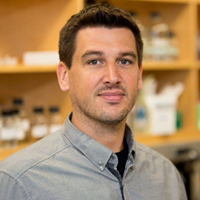
William Mair
Researcher
3
APPEARANCES
3
PODCASTS
Jul 15, 2026


William MairGUEST
And as soon as you start to think about, oh, could we modify aging as a, as a process, whether it's through exercise, diet or, or a wonder drug yet to be discovered, that has a kinda ick feeling for people.
William MairGUEST
People are suddenly like, "Ooh, we don't wanna do that." We honest- we'd love to cure Alzheimer's disease because we don't want people to suffer from Alzheimer's disease.
William MairGUEST
We'd love to cure cancer, but we wanna do that so we're just, we're just entrained to do that through a kind of curative medical point of view.
William MairGUEST
If you think about, well, there's a way to maybe cure or delay the onset of those diseases by thinking about aging, suddenly that becomes kind of, well, that's...
19 MINS LATER

33:49

But the reason worms like these are such special test subjects, he tells me, is that they only have about 300 neurons, and that makes them like tiny computers, really easy to genetically reprogram.
William MairGUEST
But we can take the energy sensor, which senses low energy and is turned on when you don't eat, and make that consistently on.
William MairGUEST
And now even if it eats a lot of food, it doesn't realize it's having a lot of food, and it lives a long time.


William MairGUEST
But we can take the energy sensor which senses low energy and is turned on when you don't eat, and make that consistently on.
William MairGUEST
And now even if it eats a lot of food, it doesn't realize it's having a lot of food, and it lives a long time.
William MairGUEST
And we can even show, we can map that down to two neurons in the brain, and we could flip it on and off and get back this longevity.