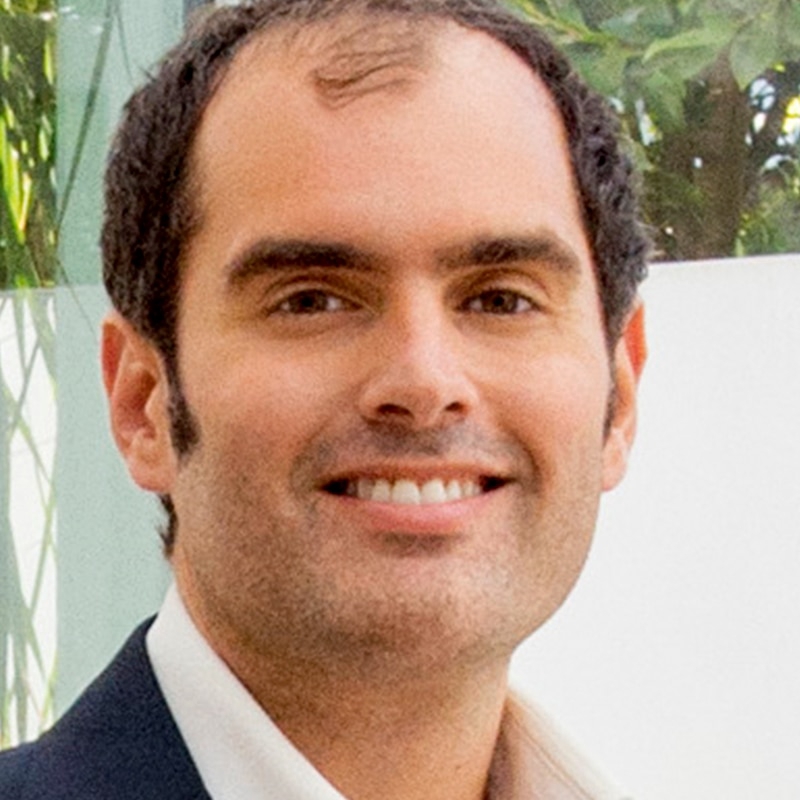
Whitney Robinson
Social epidemiologist and Associate Professor of Obstetrics & Gynecology at Duke University School of Medicine, researching racial and gender inequities in gynecologic and women's health care.
2
APPEARANCES
1
PODCASTS
Jun 30, 2026

Whitney RobinsonGUEST
And so I see that as part of the social epi and then all the other things I talked about.
Whitney RobinsonGUEST
But I actually worked in obesity for a long time, which fits a little bit more into that social frame because, you know, you think about something that is very common, affects large swaths of people, probably has some, like, causal factors that are really common.
8 MINS LATER

Salma AbdallaHOST
But yeah, looking inward, how do you think we can think about what needs to change in the topics that we discuss in social equity that would actually lead to population level changes?


Rachel SachsGUEST
And so being able to break down those barriers between the different parts of the university and the community is most helpful in thinking about how do we answer these very important questions? And also, how do we put ourselves in the best position to really make change and promote these really important healthcare interventions?
Whitney RobinsonGUEST
I feel like my field of public health is going through a time of tremendous change.
Whitney RobinsonGUEST
Some people freak out a little bit, and I'm attracted to a group like this that says, let's see disruption as an opportunity and think about how we can grow, innovate, make things better, find new opportunities.