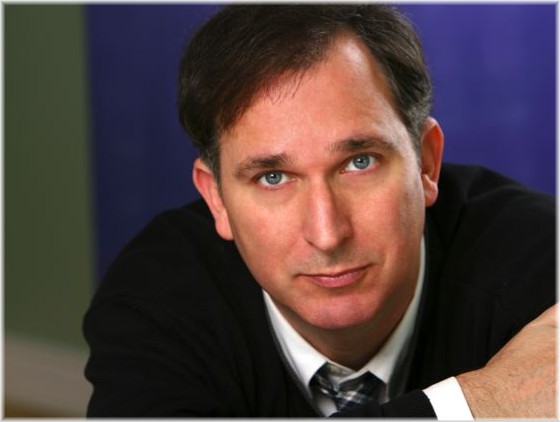
Wayne Federman
American comedian and actor
15
APPEARANCES
7
PODCASTS
Oct 14, 2026


Wayne FedermanGUEST
Bruce Springsteen is one of the few entertainers to be on the cover of Time and Newsweek in the same week.
20 MINS LATER


Wayne FedermanGUEST
Is, yeah, that we try to, as opposed to we're gonna do deep dive investigative reporter every year of his life, what actually happened.
18 MINS LATER
Wayne FedermanGUEST
A- again, there's multiple stories, but that, uh, Archie Bunker was an influence on how to quietly deliver these lines.

Wayne FedermanGUEST
Is, yeah, that we try to, as opposed to we're gonna do deep dive investigative reporter every year of his life, what actually happened.
18 MINS LATER
Wayne FedermanGUEST
... on, when he was in college doing those, those things, that he, uh, a- again, there's multiple stories, but that, uh, Archie Bunker was an influence on how to quietly deliver these lines.
Wayne FedermanGUEST
But it was a narrative film, a Warner Brothers film in the '50s that he saw when he was in Germany, uh, during the Korean War.
Wayne FedermanGUEST
So, uh, you know, the best place to be [laughs] during the Korean War is in Germany, where there's no fighting.
Wayne FedermanGUEST
So he had already had like a connection with the underclass, and people that are, like, uh, forgotten by society.
Wayne FedermanGUEST
Like, that was sort of like his, unlike, like Elvis Presley, who was like the sexy guy, he was like the serious dude.
23 MINS LATER

Wayne FedermanGUEST
He was a very curious kind of almost experimental avant-garde comedian who pretended to be a professor and then would give lectures on different topics in a very crazed kind of – do you remember like the way Einstein had his hair all crazed? Yeah, yeah, yeah.
Wayne FedermanGUEST
Yeah, that was – So Erwin Corey, for some reason is like, you know, I don't want to work seven days a week.
Wayne FedermanGUEST
Can I get Sunday off? You know, I appreciate this gig you're giving me here at the playboy club, but, um, I don't want to do it.
Wayne FedermanGUEST
So Hef, who had seen Dick Gregory, he was the host of this club called the Robert Show Club, which is a black club in Chicago, and said, well, why don't we give this kid a chance for $50? So we hired him that night.
7 MINS LATER
Wayne FedermanGUEST
There's a guy named Dick Rowe, who famously turned down The Beatles, famously had a chance to sign them, turned them down, didn't think guitar music was gonna happen.
Wayne FedermanGUEST
But, uh, this band is a ki- it's a high school buddies put the band together the way you're supposed to do a band, you know, not like some corporate thing.
Wayne FedermanGUEST
They win a talent contest to, and The Zombies, because they win this talent, talent contest, they get a record deal with Decca, and they have a hit song, a single one-hit wonder called She's Not There.
6 MINS LATER
Wayne FedermanGUEST
And so, but they don't reunite for that album tour, and then later, people start appreciating the production of the album, and also just, just how unique it is in the landscape of music, in the, just in the landscape of music at that time, and it's one of those...
speaker_2ADVERTISER
Shopify.com/income.
Wayne FedermanGUEST
Jim been walking us down through that 2012 edition, so it ain't nothing to you.
45 MINS LATER

speaker_7ADVERTISER
funny.
Wayne FedermanGUEST
That's where I really got some, as George Carlin liked to say, approval, affirmation, all of those kind of those A words like, oh, this is attention, approval, affirmation.
Wayne FedermanGUEST
And I always liked, again, I had older brothers and sisters, so I was always kind of vying for attention.
7 MINS LATER


Lynn HoffmanHOST
Just to start us off, I'm curious, in your studies as a professor at USC, adjunct, um, did you include [laughs] your studies in comedy about how it has healing powers for both the givers of the comedy and the receivers? And if so, what did you glean off of the studies?
Wayne FedermanGUEST
I just stuck mainly [laughs] I know the theme of this show is the, the power of the comedy.
Wayne FedermanGUEST
I was more just talking about its evolution and how it went from a very small, a part of variety shows to now it is the show.
Wayne FedermanGUEST
Like, it used to be just, like, the monologist, that's what stand-ups were called, were a, like part of a variety show.
Wayne FedermanGUEST
And then eventually-People really started gravitating towards what these people were saying.
32 MINS LATER

Josh Adam MeyersHOST
How did the band go from stealing Muddy Waters riffs to inventing Swagger itself?
Wayne FedermanGUEST
These two guys wrote so many hooky, great, swampy, bluesy, R&B, but guitar-based, sort of created, had the first huge riff song, which is Satisfaction, which...
20 MINS LATER
Wayne FedermanGUEST
Well, this is the weird era of music, which is betw- after the birth of rock and roll, and that kind of fizzles out for a number of reasons.
Wayne FedermanGUEST
Elvis goes into the army, uh, Little Richard becomes a preacher, and Jerry Lee Lewis is arrested 'cause he married a 13-year-old, [laughs] his 13-year-old cousin.
Wayne FedermanGUEST
Uh, or, so, like, it was, like, rock and roll was sorta like, "Oh, this is gonna be like a fad, like calypso." And so the music industry was still trying to figure out, there was a lot of produced albums, like Betty, like Up on the Roof, or Stand by Me, or At Last.
Wayne FedermanGUEST
And then there was the Italian singers that were, like, you know, kind of created out of Philadelphia.
Wayne FedermanGUEST
And then it wasn't till the Beatles came along that was like, "Oh, rock and roll is back and this is how you do it.
Wayne FedermanGUEST
You and your buddies start a band." And that, that sorta changed everything.
16 MINS LATER
Wayne FedermanGUEST
though there's many country songs that aren't conservative ideas, there's many liberal ideas also.
Wayne FedermanGUEST
But as a rule, country music was like for the hardhats and the thing, and that the hippie music came out of the folk era, and that was all anti-war, pro-drug, pro-free sex.
16 MINS LATER
Wayne FedermanGUEST
However, please and hopefully you had time to listen to the record it's not a psychedelic jam band record at all at all it's like a little every song is like two and a half minutes except for their final songs they do a little not so they were more of a like a singles band and which was different than what was going on in that scene but they were right there in that scene they were signed in san francisco they were in that whole world of the the ballrooms you know san francisco scene had these Two, maybe three ballrooms.
Wayne FedermanGUEST
I'm sure you've seen footage with the weird strobe lights, colorful, weird color lights behind them.
9 MINS LATER
Josh Adam MeyersHOST
So when did it like fracture? When did it really start fracturing? Is that guy losing his mind while they're doing this? That was
speaker_8UNKNOWN
(laughs)
Wayne FedermanGUEST
It, I love that, in fact, this is the guy that sort of started the whole thing.
Wayne FedermanGUEST
And the height of vaudeville, like what today would be getting a Netflix special, was to perform at a theater in New York called The Palace, which was, uh, right off Broadway in 44th.
8 MINS LATER

Ben BowlinHOST
Were they controversial? Were they just something new and strange? Was it a slow evolution or a sudden one?

Larry DavidSOUNDBITE_SPEAKER
you get that role?
32 MINS LATER
