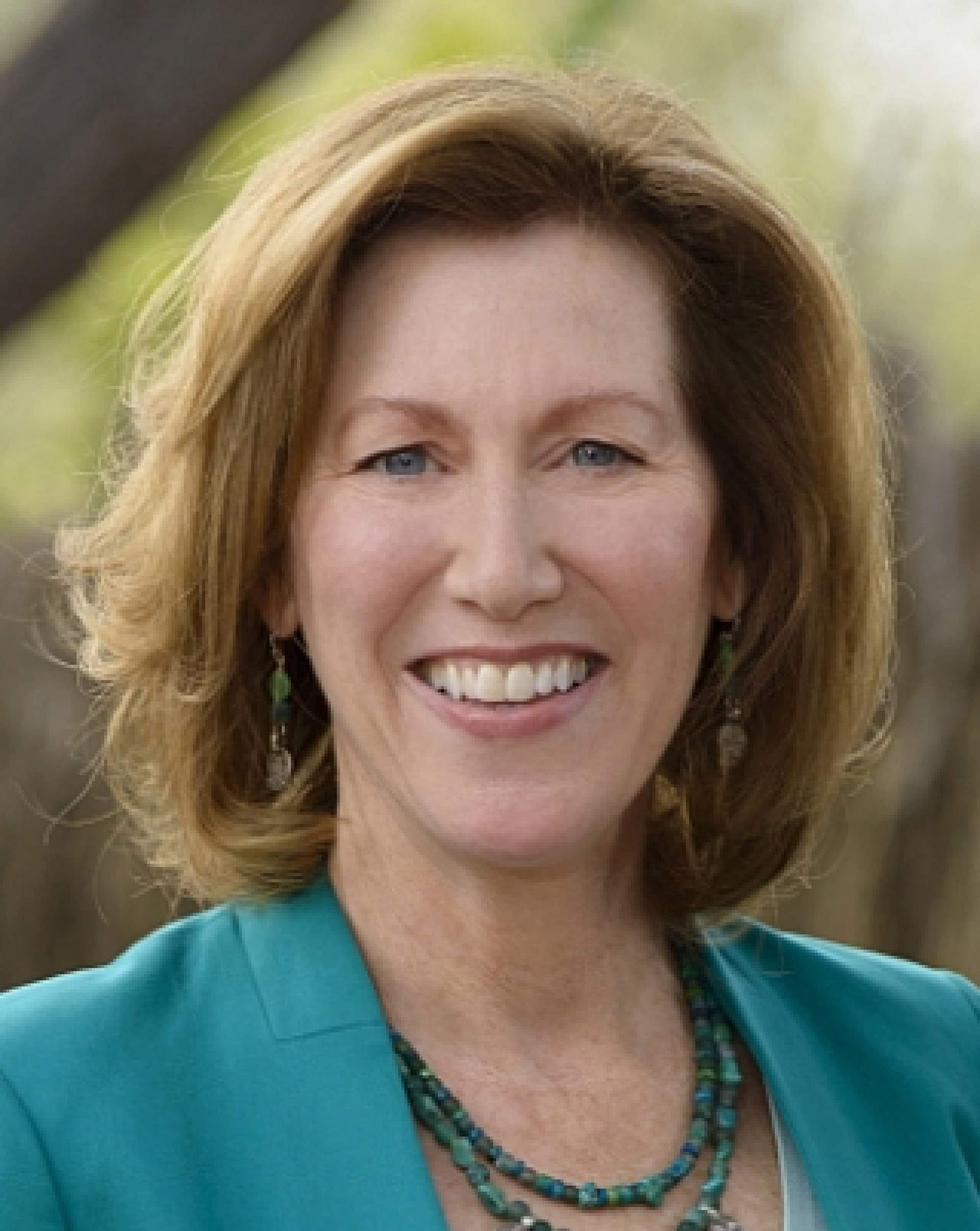
Victoria Maizes
Founding Executive Director of the Andrew Weil Center for Integrative Medicine and Professor of Medicine at the University of Arizona
7
APPEARANCES
7
PODCASTS
Sep 29, 2026

25:15

Can we talk about inflammation and how that factors into the book that you wrote about healing faster? Absolutely.

Victoria MaizesGUEST
So right now, inflammation is being characterized as all evil and that it's the root cause of so many illnesses, which it is.
Victoria MaizesGUEST
It could be the root cause of Alzheimer's disease, anything that ends in I-T-I-S, itis.
Victoria MaizesGUEST
And so we have become sophisticated at understanding how prevalent inflammation is and how dangerous it is to our health.
15 MINS LATER
40:43
From a scientific standpoint, what do you think are the biological differences that actually shape how quickly someone can heal? Are there differences there? There


Gemma GaudetHOST
So- What can someone realistically do when it comes to trying to remove sources of stress?
Victoria MaizesGUEST
So stress is part of modern life, and I am sure that stress was part of ancient life as well.
Gemma GaudetHOST
So where does the evidence stand today? And who should consider hormone replacement therapy?


Victoria MaizesGUEST
And I did that because chronic implies that you're stuck with it for the rest of your life.
Victoria MaizesGUEST
Chronic pain, you know, a chronic condition like heart disease or diabetes.
Victoria MaizesGUEST
And I think the distinction that I made in terms of these might be things that have been around longer, but also they often take longer to reverse.
Victoria MaizesGUEST
So in some sense, you know, the longer you've had something, back pain as an example, the longer and the more effort you might have to put in to fully recovering from it, as opposed to that cold, which if you do nothing in five to seven, at most 10 days, you're going to be well.
7 MINS LATER

Janet RodriguezHOST
What are some other surprising remedies in your integrative medicine toolbox for surgery prep or just for life in general? What are some of the things that when you tell this to a patient and the patient does it and they're like, it worked? Yeah.

Patricia KarpasHOST
So will you share what that's all about and how do we activate this inner healing capacity?
Victoria MaizesGUEST
This is, I think, a really important point that our culture doesn't necessarily recognize.
Victoria MaizesGUEST
So for example, say you get sick with pneumonia and a doctor prescribes an antibiotic.
7 MINS LATER
Patricia KarpasHOST
And so what is your recommendation or what are your thoughts on diet and supplements? And then I want to hear what you do personally for yourself.


Denise MillstineHOST
Do you think people are surprised that as an integrative physician, maybe one of the first things you're going to recommend is this prescription? People
Victoria MaizesGUEST
And this is, again, that thoughtful integration where we don't throw out prescription medicines.
Victoria MaizesGUEST
So For menopause, the most effective treatment we have for menopausal symptoms is hormone therapy.
Victoria MaizesGUEST
That doesn't mean everyone needs it, it doesn't mean everyone should take it, but it is the most effective therapy.
12 MINS LATER

Victoria MaizesGUEST
I didn't actually title the part of Heal Faster that deals with what some people call chronic.
Victoria MaizesGUEST
I called it longstanding because I think even in that language of calling something chronic, we are hexing.
Victoria MaizesGUEST
They get over it, not everyone, but for a variety of reasons and a variety of ways.
13 MINS LATER

Victoria MaizesGUEST
We sometimes call our diet the SAD diet, which stands for Standard American Diet.
Victoria MaizesGUEST
That ultra-processed food has all sorts of unusual chemicals in it, emulsifiers and flavorants, and they...
Victoria MaizesGUEST
They change our microbiome, which is all of the normal, healthy microorganisms that are in our gut, especially, but also all over our body, that are important for our metabolism and for digestive function and even for our mental health.
11 MINS LATER

Dan HarrisHOST
So what are your general recommendations for improving our diet in a way that will allow us to maximize what you're calling the rapid recovery reflex, the ability of our body to heal on its own from injuries and other conditions?