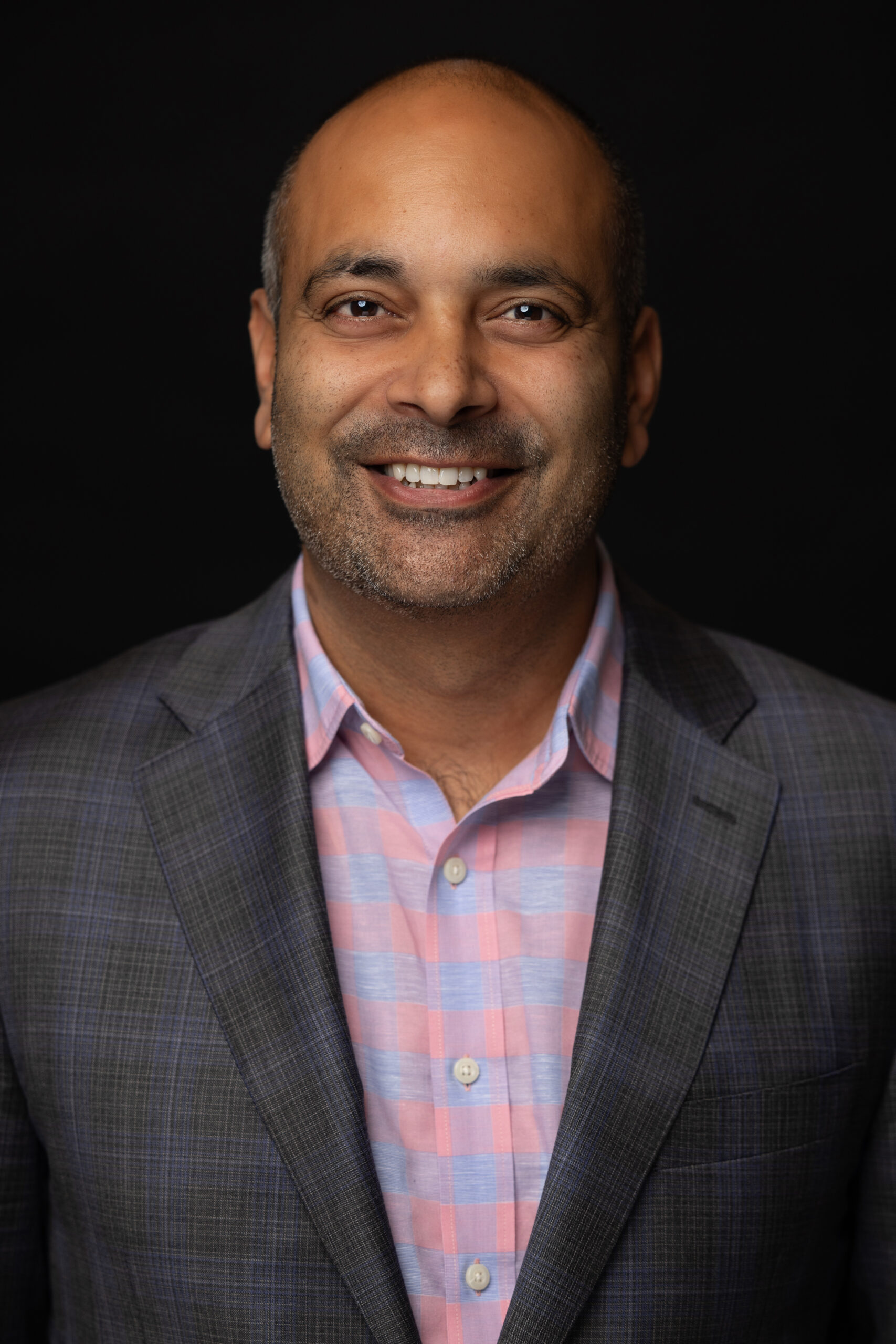
Varun Krishna
CEO of Rocket Companies
5
APPEARANCES
5
PODCASTS
Nov 5, 2026


Andy SerwerHOST
Can you tell us how that's going and how they're contributing to sort of a new company going forward? And also maybe explain that 70% non-rate based revenue to us a little bit more.
Varun KrishnaGUEST
And so, you know, when I came to Rocket, one of the observations that I had was that housing is a journey, right? Finding a home, working with a real estate agent, getting financed, going through title and closing, and then ultimately ending up in a servicing relationship where you deal with things like making your payments and property taxes and escrow.
Varun KrishnaGUEST
And yet when you think about it from an industry perspective, every single part of this experience is fragmented, right? You have the home search experience and the real estate portals, you have the mortgage companies and the financing, and then you have kind of the servicing companies and they are entirely different industries.
Varun KrishnaGUEST
Yet a consumer has to navigate that kind of patchwork and it ends up being expensive, antiquated, manual, and it doesn't really serve the client to the best of their ability.
Varun KrishnaGUEST
So we had this aha moment where we had a smaller scale home search product and we had a pretty big servicing business and we started to realize these relationships that a consumer has as they transcend that continuum.
Andy SerwerHOST
And number two, given we may have higher for longer rates, are you looking to change the model even more or iterate on it?


David NovakHOST
You know, one of the things you say that I love, and I know you're a big believer in culture, but one of your comments is you say, "Culture isn't built i-in, in slides." And, and tell me where that belief comes from.
Varun KrishnaGUEST
You know, I, I've worked at a lot of different companies over the years and, and again, I'm a big believer in just the power of new experiences.
Varun KrishnaGUEST
I think some people, um, and this is not good or bad, so there's no, no judgment here, but, but some people are very rooted in conditioning and, you know, they, you know, live in the same place, work in the same place, have the same job, live a relatively sort of consistent life.
9 MINS LATER
David NovakHOST
You know, ta- take us through the decision-making process you, you used to, to get to that, get to that point because, like I said, big bets.


Varun KrishnaGUEST
that line, that line has always stayed with me because in some ways, you know, I've been around FinTech for a long time.
Varun KrishnaGUEST
And so like when people think about FinTech, they think about like, you know, personal loans, payments, investing, taxes, money movement, you know, a lot of these kinds of businesses.
Varun KrishnaGUEST
But like one thing I've learned just from talking to a lot of consumers is like all of those are a means to an end.
Varun KrishnaGUEST
And housing in some sense for me is like that final frontier of FinTech because it's sort of the end goal for most consumers.
13 MINS LATER

Erik TorenbergHOST
Why don't you talk about what is sort of the strategy of how this all fits together, what you're trying to do?


Varun KrishnaGUEST
And just as an engineer, as a computer scientist myself, I think it's very important that you kinda have to look past the hype and look to really concrete benefits and concrete impact.
Varun KrishnaGUEST
And you know, what I would say is that first off, you know, I think technology is most definitely gonna define the next decade of housing.
Varun KrishnaGUEST
And it's not just AI, it's what AI actually will lead to in the coming three to five, 10 years.
Varun KrishnaGUEST
But even when you just think about some of the core applications of AI, you know, we think about it as a couple of key areas.
Varun KrishnaGUEST
There's, like, natural language processing, there's machine learning, and then there's, like, knowledge engineering.


David FaberHOST
How do you get to that number and why are you confident that that will be the case?
Varun KrishnaGUEST
yeah yeah actually i think our synergy case is quite conservative we have about 100 million dollars in revenue synergies and that's going to come from things like our recapture rates uh improving that's going to come from the ability to actually have more title and closing business on the rocket platform for mr cooper it's also going to come from just being the largest holder of escrow and warehouse lines and optimizing between those so that's about 100 million and then we have about 400 million dollars of expense synergies And that's going to come from things like technology stack consolidation.
Varun KrishnaGUEST
It's going to come from redundancy when you have like duplicate corporate public company operating functions.
Varun KrishnaGUEST
But I would say that the reason we think that this is conservative is because it doesn't take into consideration things like market rate changes.
Varun KrishnaGUEST
It doesn't take into consideration applying kind of the higher recapture rate that Rocket has to the Mr. Cooper servicing book.