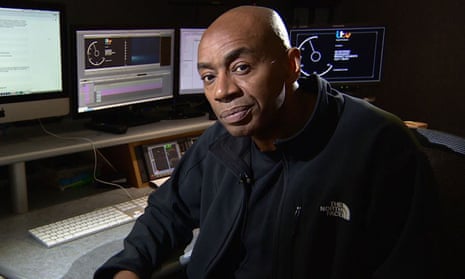
Tony Morris
Presenter
7
APPEARANCES
5
PODCASTS
Aug 9, 2026

Tony MorrisGUEST
Uh, pretty serious, like we haven't done, um, too many over the years, and the horticulture sector is obviously a pretty big sector in New Zealand.
Tony MorrisGUEST
Um, and that's, that's a lot of money and we, and we see it's actually really quite a complicated industry.
Tony MorrisGUEST
Um, it's an industry where we sort of have different participants, where we have the growers who own the orchards and all the facilities.
Tony MorrisGUEST
Then we have, obviously for them to, um, make the orchards work, they need to have a, quite a bit of, a lot of people working for them, um, and, and picking and that.
Tony MorrisGUEST
So they invariably, they don't often em- the growers don't actually employ most of the pickers and their workers themselves.
7 MINS LATER


Tony MorrisGUEST
And there was an Alsatian that lived about six houses away in Borehamwood from my, you know, where we lived.
Tony MorrisGUEST
And I remember every time I walked, uh, Rocky, this Alsatian was outside, like behind a fence, but ferocious, barking, but luckily behind a fence.
Tony MorrisGUEST
But I remember vividly, I was walking back with my friend Craig at the time, and I walked past his house, and the Alsatian wasn't barking.
Tony MorrisGUEST
And I remember thinking, "Bizarre." I turn round, and he'd escaped, and he was running at me and, and I...
Tony MorrisGUEST
You know, what do you do? So I literally, I threw Rocky up on the lead in the air.
18 MINS LATER
Tony MorrisGUEST
It takes a lot of time, and it's, there's a lot of approximation, so we don't measure it.
5 MINS LATER

Kathryn RyanHOST
I guess the question is then, or what? What, what do you do now if you're in schtuck?


Tony MorrisGUEST
Yeah, well that was my second, well you know that was my kind of return to Oxford.
Tony MorrisGUEST
I got into book publishing and In London, I've just been working in a publisher called Routledge, academic books largely.
Tony MorrisGUEST
And I saw this advert for a job at OEP and I thought, well, I'm way too young to get this, such a senior position.
36 MINS LATER


Chris RobinsonHOST
What do you believe is the biggest misconception you see in relation to contract management?
Tony MorrisGUEST
I think there is a lack of priority, I guess, or focus on performance management.
Tony MorrisGUEST
If you can manage the performance of a supplier, you're then in charge of the relationship.
Tony MorrisGUEST
You're in charge of, you can create leverage like that, whatever, if you even need it.
Tony MorrisGUEST
And I hear there was a few people that said about contract drift right at the end of a contract.
Tony MorrisGUEST
You know, suddenly the contract is doing or the requirements have changed from what it was right at the very, very start.
12 MINS LATER

Fleur SummersHOST
But how much of effective contract management is technical competence? And in your opinion, how much is down to confidence, judgment and senior backing?

Tony MorrisGUEST
And all we want them to do is actually get in contact with us so we can set up some installment arrangements.
Tony MorrisGUEST
So that can be whether it's a smaller amount, you know, down the $10,000, or whether it's a bigger amount, we'll look to take what we can.
43:44
Now, how did we get to the point where we have debt that's owed that's five years old? Did we go extra softly during COVID or is this kind of normal?

0:18
How many times do you try to get in touch before you start making these withdrawals?
Tony MorrisGUEST
We'll have a first call, then leave a message and We might try one more contact and then we can look to take the money straight out of the bank accounts.
Tony MorrisGUEST
That's in this campaign we're doing, but other times we might just contact people once or twice and then take money out of their accounts if
2:03
Now, how did we get to the point where we have debt that's owed that's five years old? Is this specific? Like, did we go extra softly during COVID or is this kind of normal?
Tony MorrisGUEST
So the debt can grow, but we've always had it where debt can grow and go past five years.
Tony MorrisGUEST
Sometimes it's just extended times that people get in debt and we might set up installment arrangements and try to help them through and then it all just falls over towards the end.