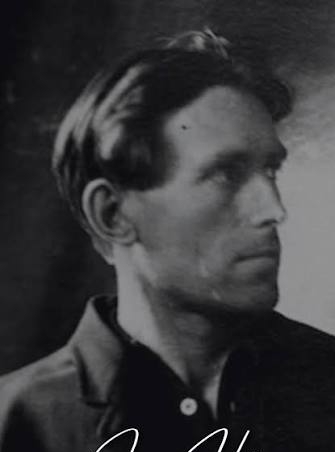
Tomas Rothaus
Argentine-born anarchist and antifascist author of "Argentina, a Tale of Two Utopias: Anarchism, Soccer, Neoliberalism" (PM Press) and participant in the 2001 Argentina uprising.
3
APPEARANCES
3
PODCASTS
Oct 14, 2026

speaker_2UNKNOWN
[laughs]

Tomas RothausGUEST
There's an em- economic theory behind it which in my opinion doesn't work, uh, because in order for it to be sustainable and based in reality, those dollars, those actual green US dollars need to be in the national reserves somehow.
Tomas RothausGUEST
But the point is, you know, Argentina tends to be, for some reason I don't pretty good understand, kind of this, uh, ground of experimentation for neoliberal capitalism, like once a generation.
Tomas RothausGUEST
Uh, or maybe it's Ar- the Argentine thing that we always think we're super special and whatever's happening in our country is the, you know, craziest thing that's ever happened in the world.
Tomas RothausGUEST
So in the '70s, th- we had the military dictatorship, which on the one hand had the objective of actually putting down subversion and armed struggle.
18 MINS LATER


Rory BryceHOST
But it almost seems natural to me that these would become places where people flock to because they represented their communities and ultimately it is tied up within the anarchist, socialist and sometimes communist way of thinking.
Tomas RothausGUEST
Yeah, although, I mean, we, you know, today, those of us who are aware of how this all turned out, you know, think it was kind of an inevitability.
Tomas RothausGUEST
But to be honest, there was a whole debate back in the day in Argentina, very similar to the debate I think there is amongst, you know, political people, I think, today about whether, you know, Football is the opiate of the masses or a distraction or whatever.
Tomas RothausGUEST
Like you mentioned, obviously, it used to be associated, A, with the oligarchy and the upper classes.
Tomas RothausGUEST
And again, for the listener, maybe they won't know, before Argentina, there was different waves of immigration to Argentina.
Tomas RothausGUEST
The first one I wouldn't call necessarily a wave because it wasn't that massive, but it very much shaped the form of Argentine society, which was British immigration.
Tomas RothausGUEST
It wasn't massive, but it was very much in the form of landowners, company owners, aristocracy, etc., which is why a lot of streets in Buenos Aires carry very British sounding names.
32 MINS LATER
Rory BryceHOST
One was that they were providing... essential services and different benefits for the local community whereas the other side was the competitive recreational and I suppose sporting arm of the club which was based around winning these competitions or at the very least giving their areas representation at some degree at a competitive level

speaker_3ADVERTISER
working class, or you could call it
Tomas RothausGUEST
People call it middle class, but they used to be in the city center or whatever.
Tomas RothausGUEST
And the cultural and social background of the young kids who made up the different fan groups of the different clubs were also the same.
Tomas RothausGUEST
And yet they hated each other because they had a different jersey and lived 20 blocks further down the avenue than the other one and would literally attack each other with molotovs or I don't know.
speaker_0HOST
What's the problem? But sorry, you were saying about these clashes with English hooligans.