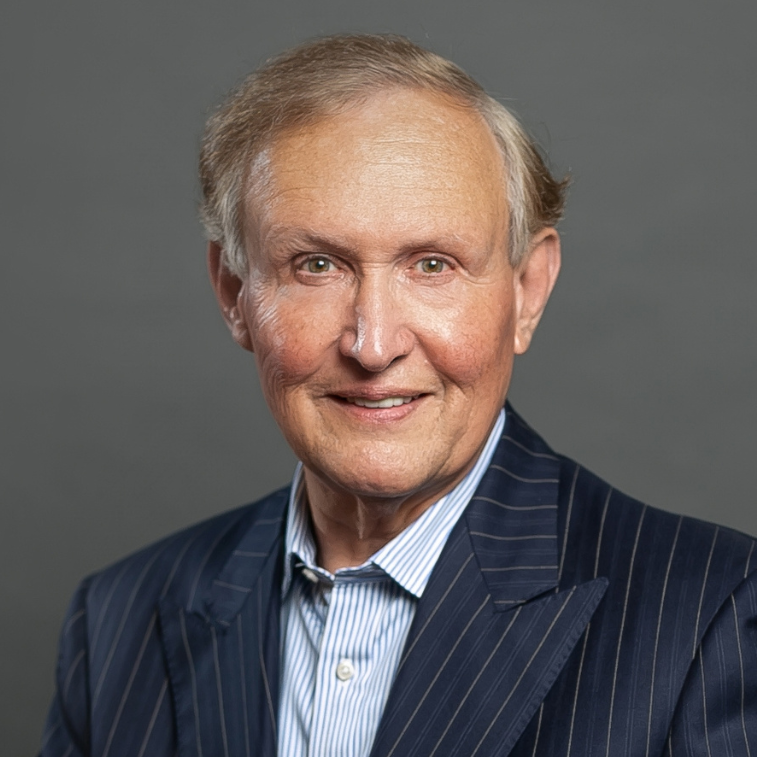
Tom Hall
Tom Hall is Senior European Securitization Reporter at GlobalCapital and a regular panelist on the Another Fine Mezz securitization podcast.
5
APPEARANCES
2
PODCASTS
Oct 30, 2026


Tom HallGUEST
So in terms of the sort of current regulation, we have this thing called you can get a simple, transparent, standardized stamp, which essentially means the transaction has been structured in a certain recognizable way that the regulator is happy to let you hold that securitization with security.
Tom HallGUEST
And it can also be included in, I guess, level 2b treatment in banks, the liquidity coverage ratio in a bank's pool of high quality liquid assets, if it meets a few other sort of requirements.
Tom HallGUEST
You could argue that maybe that was done for sort of political reasons that it would be bad to say we're sort of lowering the capital charges for lower risk transactions.

John HayHOST
When will it come into force? And what are people saying about what the effect on the market will actually be when it happens?
Tom HallGUEST
So you're looking at the underlying financing products and then you're looking at how the securitization itself is Sharia compliant.
Tom HallGUEST
And it's different from a typical mortgage in that a typical mortgage, a bank will make a loan and then the borrower will repay principal and then interest on top of that as a fee for the lending.

Tom EdwardsHOST
How have these overarching narratives changed, Tom? And how's that actually helped to shape what the programme is and how it works?
Tom HallGUEST
Yeah, it's interesting because I think whilst it's true that a lot has changed, I think there's also a lot of things that are still true, right? So it's still true that ultimately you need to have good data that what you do works, that you can actually demonstrate impact, whether that's a very focused visionary like Koutis who's doing kind of specialized skin grafts, which have actually interestingly become particularly pertinent in the wake of the Kranz-Montana fires earlier this year, you know, where you obviously need a third stage clinical trial that this kind of, you know, visionary technology can even work through to, you know, things like swap our reps, which are, you know, a scale business model, or even our winner earlier this year for Pitch for Purpose from Tide, which is looking at ocean plastic.
Tom HallGUEST
they need to have good evidence and they need to have a business model that has the capacity to scale.
Tom HallGUEST
And that's kind of our mindset of really looking for the impact unicorns has kind of led us to be really rigorous in terms of knowing what works.
Tom HallGUEST
Having said that, we sometimes will profile a really cool idea that maybe needs even more support to get to that point of being executionable.
7 MINS LATER

Ralph SinclairHOST
But what's the, what's the effect for the market of having a securitization with two triple A ratings? What does that allow, uh, investors to do?
Tom HallGUEST
So it mostly comes when you're looking at sort of the, the bank treasury, uh, side of the investor base.
Tom HallGUEST
So you know, a lot of treasuries will, will already have mandates that they, they don't, uh, you know, want to invest in products unless they have, you know, the, the two triple A ratings.
Tom HallGUEST
But I think the Sort of interesting aspect, uh, is kind of around, you know, how these, uh, products are treated from a regulatory perspective.
Tom HallGUEST
So we have, you know, after the GFC, we had the liquidity coverage ratio, which is, uh, a reform that basically ensures banks have a certain amount of what's called high quality liquid asset so that they can manage their cash outflows for 30 days if they were to get a, you know, similar liquidity crisis situation to 2008.
Tom HallGUEST
And generally, you know, one of the big things that you, you always hear in the securitization industry is that they're, they're quite unhappy with how most securitizations are treated.
Ralph SinclairHOST
Now, what's going on here? Has there been, in the opinion of, uh, DBRS and Scope, or perhaps even any of the ratings agencies or anyone at all, a huge increase in the credit quality improvement of Italian debt?
Ralph SinclairHOST
Give us a flavour of it and the sort of size and scale and where it takes place.
Tom HallGUEST
So, I mean, this is the big event of the year for anyone in European securitization.
Tom HallGUEST
You know, the main thing is obviously you've got lots of panels, but it's really just a... opportunity for everyone in the market to kind of go down and meet.
7 MINS LATER
Ralph SinclairHOST
So what's driving this revival of publicly sold credit card EVs at this particular moment, do you think?