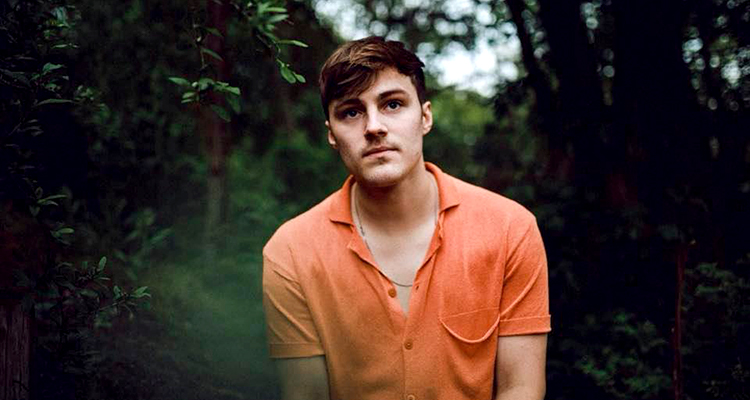
Tom Gregory
English singer and songwriter
3
APPEARANCES
3
PODCASTS
Sep 23, 2026


Tom GregoryGUEST
But for me, the tremendous thing, you know, and these are like real life stories here.
Tom GregoryGUEST
You know, I had a client who came and did a session with me and there was a veil hanging over the whole thing of a little bit of insecurity, a little bit of self doubt.
Tom GregoryGUEST
And, you know, she would share some things, you know, that were very devastating for her, that her ex-husband had commented, you know, things that no person needs to hear.
8 MINS LATER

Nata SalvatoriHOST
What do you think was the one thing that you had the most resistant to changing?

Tom GregoryGUEST
Well, we're mainly focusing on the volunteers that are actually, and those coalitions, be it the Coalition to Restore Coastal Louisiana or Restore the Mississippi Gulf Coast, any of those organizations, we're actually meeting with them.
Tom GregoryGUEST
We're not jumping into the political thing, the political aspects of coastal wetland loss at all.
Tom GregoryGUEST
So those are the people that we're focusing on, people that have dedicated their lives to, one, getting the word out, because a lot of it is just getting people to talk about it.
Tom GregoryGUEST
One of the interesting interviews we had while we were up to our necks in Marshwater was a uh a young lady who works for crcl just saying you know i've heard the data you know i've heard the we've lost rhode island in the last 50 years we lose a football field every 100 minutes i've heard that it doesn't mean anything to me because i don't play football and i've never been to rhode island uh So that's the kind of thing that we're focusing in on this program is let's make it more real.
Tom GregoryGUEST
Let's kind of tug at people's heartstrings a little bit and see the people that this issue actually affects.


Tom GregoryGUEST
Um, one of the, one of the best things about our cover crops, I can remember going into the field once in October, and in the middle of October there was a bumblebee working away on a sunflower, and I was just like, "This is just, this, that's exactly, you know, that is part of the reason why we're doing it." Um, so we went for a thicker, denser, lower cover crop.
Tom GregoryGUEST
It was definitely better, but where we are in our stage of growth, I think we have a very bacterial-dominated soil, so our fungal bacterial is not where we want it to be, and the oats and vetch, which were really expensive, didn't get a look in, so we ended up with a very brassica-heavy cover crop that was really expensive and meant we couldn't grow oats and vetch in our rotation.
Tom GregoryGUEST
So we'd suppressed some weeds, but we definitely hadn't done what we wanted to.
Tom GregoryGUEST
And what we've gone to now, which maybe might, might not be the best cover crop in the world for diversity and getting back to trying to build our, our fungal portion of the soils, but we've now got a relationship with a local sheep farmer, um, who's really keen on grazing our cover crops.
16 MINS LATER

Sophie GregoryGUEST
You know, that might be possible going forward for us and then that just adds a different protein dynamic to our cows' diets.