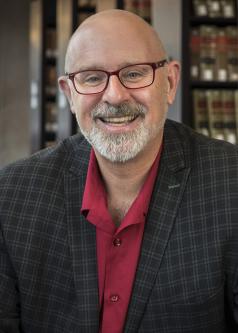
Tom Ginsburg
Political scientist and legal professional
2
APPEARANCES
2
PODCASTS
Aug 31, 2026


Tom GinsburgGUEST
Well, so the original value is, of course, in the autonomy of the individual and the liberal society.
Tom GinsburgGUEST
But, you know, I think particularly in the 19th century, free speech is not really legally protected much in the United States.
Tom GinsburgGUEST
It actually, the first cases in which the courts will prevent a government from passing a law that restricts free speech, in other words, the First Amendment cases where the private party wins, don't happen until the 1920s in this country.
20 MINS LATER


Yascha MounkHOST
Um, what does the Forum do and, um, you know, w- how is it that institutions like that can actually animate free inquiry and free expression on university campuses, uh, uh, uh, in other, uh, places as well?

Tom GinsburgGUEST
Yeah, I think we're seeing a lot of initiatives around the country so it's very exciting and they're very different, uh, things going on in different campuses, which is of course appropriate.
Tom GinsburgGUEST
Um, we are fortunate at the University of Chicago to be at the place which has stood for academic freedom for its entire existence.
Tom GinsburgGUEST
So, you know, unlike, say, Harvard, we were founded in the progressive era of the late 19th century and so there was a lot of st- uh, commitment really to democracy, to science, to free expression, to academic freedom.
Tom GinsburgGUEST
So part of what we do then is to orient people who come to the university and that would be everyone: students, faculty, even staff ideally I'd hope to have everyone learn about the tradition and the way that this university has approached those issues.
11 MINS LATER
Yascha MounkHOST
Now, I assume that you think that in those cases, uh, that speech shouldn't be constrained, but, but, but how should we think about that? I mean, when we say the purpose of these norms within the university is free inquiry, how do we make sure that we don't, uh, let that become a kind of argument to actually then subspress- suppress any speech that's not directly within the core field of academic expertise of a faculty member, um, uh, i- in ways that I think would actually, um, deepen the kind of taboos you often have on campus?