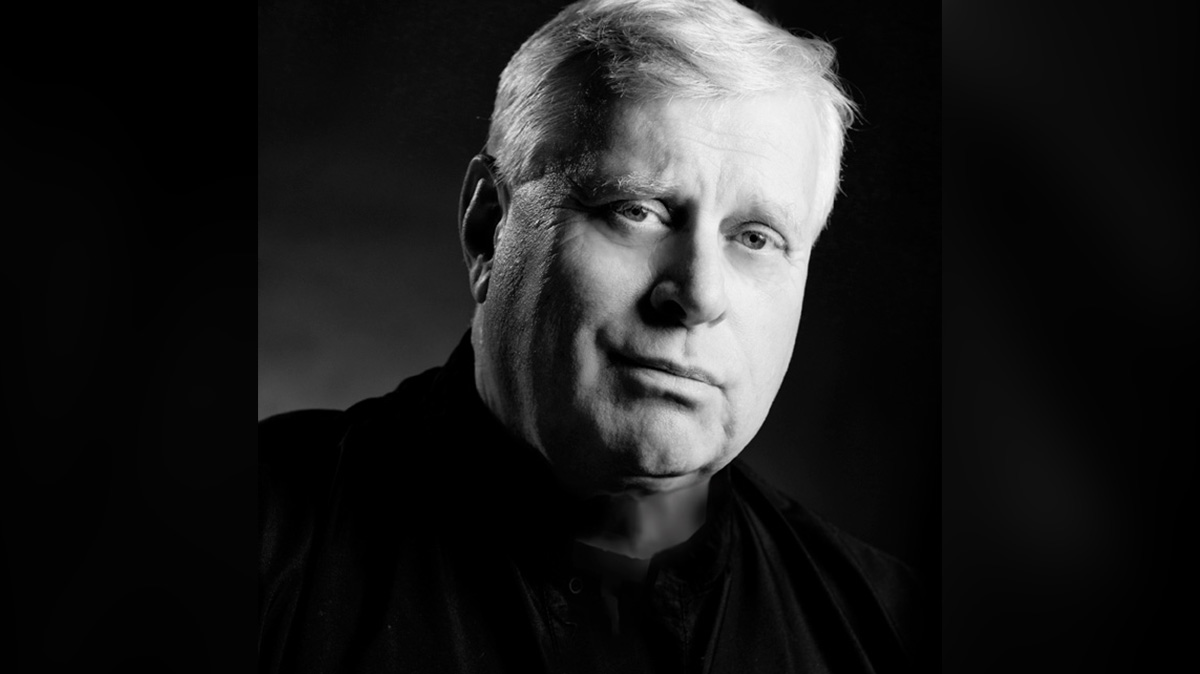
Tom Barnard
American radio host
9
APPEARANCES
3
PODCASTS
Oct 18, 2026

Bob SansevereHOST
you got a phone call from dave hamilton to talk about having an opening or wanting you to come and host the kq morning show walk all of us through that process the me andy and the listeners

Tom BarnardGUEST
Well, to tell you the truth, that's exactly how the whole thing happened, and I don't know.
Tom BarnardGUEST
Look, Bob, let me start with this, because I think you know this, and most of our viewers and listeners know this, that I graduated high school at 16 years old and worked some odd jobs for a few years.
5 MINS LATER
Bob SansevereHOST
Now, did he make a financial offer? Was there much negotiating? Or was the thought of just having something to do when you got home to Minnesota, what was the selling point on this?

Bob SansevereHOST
it all works out in the end all right which we'll see we're going to focus tom on your voiceover work and let's start with this when and how did you get the idea of doing voiceover as opposed to radio
Tom BarnardGUEST
well Because of the tone of my voice, people always ask me to do their spots anyway, because it really stands out, I guess.
Tom BarnardGUEST
I'm pretty sure it might've been a little earlier than that, but I think it was 22, somewhere in there.
Tom BarnardGUEST
But it was a situation where everybody kept telling me, oh God, your voice is really, I like your voice there and there.
Bob SansevereHOST
Were you ever starstruck the first few times you met somebody? You don't strike me as a starstruck kind of guy.
Tom BarnardGUEST
You know, meeting Paul McCartney, having Jane Fonda in the studio for the entire show.
Bob SansevereHOST
what when you had classes there they teach you what how to act how to talk on the air and did you take any of that advice
Tom BarnardGUEST
yeah i mean i i definitely did well one of the things i will tell you is my voice changed when i was 12 years old so when i walked through the door there five years later they were like oh you got a great tone there have you been working on it i said no yeah it's just i got it from my mother actually my mother had a very deep voice for a woman But no, they were actually, they were pretty good, but I got, well, I wasn't really kicked out, but I was asked to stay home for a couple of weeks.
Tom BarnardGUEST
I am thinking, literally, I've been thinking a lot more about culture And the difference between, and I'm not condemning any town, I'm just using it as an example, because I lived in Edina years ago, and I loved it, I still do to this day.
Tom BarnardGUEST
I mean, honestly, I couldn't have been more different than just about anybody else who went there.
Tom BarnardGUEST
And I'm not saying they all went to Edina, but they didn't, nobody else from, well, there was one other guy from North Minneapolis, a young black man that I used to go out and smoke pot with in the car.
14 MINS LATER
Tom BarnardGUEST
Because somebody was telling me that I had known, I almost knew Philip for 50 years.
Tom BarnardGUEST
So yeah, because it just, yeah, unfortunately it was, anyway, so yeah, I met him, but Cliff Siegel had a big, huge backyard.
Tom BarnardGUEST
He had one of these kind of voices where he kind of talked like this, talked very, very fast in the back of his throat.
Tom BarnardGUEST
there's that kind of deal you know well there was the true dawn blue and there were chuck and uh chuck and mike over on the well first of all it's chuck and charlie over at 1500 kstp chuck knapp and charlie bush and charlie unfortunately died during that tenure and that was tough all of us going to charlie bush's funeral what a great guy First night on the air, KSTP, I'm almost at the end of my shift because he's doing news on the morning show, right? Yep.
23 MINS LATER
Bob SansevereHOST
Well, this is not something you'd remember, but when were you born and where? Were you born in a hospital? Were you born at home? Were you born when your mother was working in the middle of a shift?
Tom BarnardGUEST
That would also make a lot of sense because that would kind of wipe out the years of three and four.
Tom BarnardGUEST
Actually my first, Bob, you brought out something I haven't thought about in years.
11 MINS LATER


Sarah HallHOST
Now in this type of situation, there is no right to discovery as as cliff has been referring to um you know from the sort of from your perspective as a as a criminal defense attorney tom and and a civil defense attorney too in terms of false claims act matters um give me your reaction to trying to fight a payment suspension without discovery without an entitlement to discovery
Tom BarnardGUEST
Well, it reminds me a little bit about responding to a False Claims Act before it's out from under seal.
Tom BarnardGUEST
And the only way you get information is by... you know, getting, making it worth the while to the government to share bits, reverse proffers, things like that.
Tom BarnardGUEST
So you, in one of these suspensions, you know, the suspension is at the administrative level, the agency level, and then there's usually someone from the AG or someone who you're talking to.
Tom BarnardGUEST
And I think, at least from my mind, if I'm in this situation, it feels like it's just going to elevate And speed up the clock of trying to get in front of them and saying, let's get a discussion going about what your concerns are and see if we can't get a resolution quickly.
16 MINS LATER

AmyHOST
Thought you were s- crazy.
17 MINS LATER
KennyHOST
Absolutely.