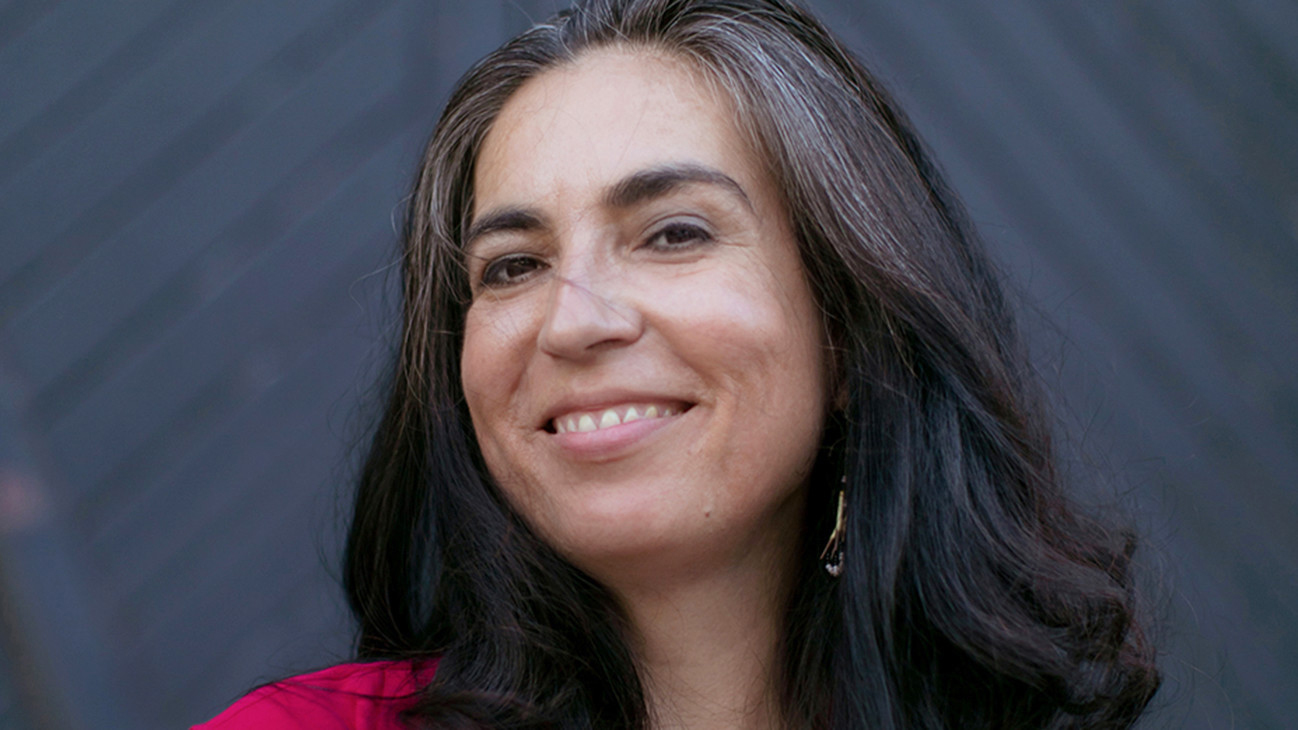
Tanya Talaga
Canadian journalist and author
4
APPEARANCES
4
PODCASTS
Jul 21, 2026


Lara TaiGUEST
I wonder if you could speak a little bit more about that in terms of why you wrote the book and why you wanted to create this awareness.

Tanya TalagaGUEST
So I tell my stories from a First Nations perspective, you know, 'cause there's three different indigenous groups in Canada: um, Métis, First Nations, and Inuits.
Tanya TalagaGUEST
And First Nations people, um, we are governed, most of us are under something called the Indian Act, right, which is a racist piece of legislation that was, uh, um, was put forward in Canada in 1876.
Tanya TalagaGUEST
And all of my books come from the perspective of my family and our lived experience.
Tanya TalagaGUEST
And so each one of my book, Seven Fallen Feathers, All Our Relations, and The Knowing, comes from that experience, for sure.
Lara TaiGUEST
What inspired you and kept you persevering about finding out the true story for yourself?
Tanya TalagaGUEST
It's the truth, right? I wanted to find out the truth about what happened to our women, and I wanted everyone to see.

Jeyan JeganathanHOST
You're talking about, uh, you're talking about residential school denialism.
Tanya TalagaGUEST
Residential school denialism, right, and just the whole political mood of the country, too.
Tanya TalagaGUEST
Like, you know, uh, diversity, equity, inclusion seems to be going out the window [laughs] in a lot of spots as well.
Tanya TalagaGUEST
And so this is a chance, I think, for Canada to be different, to remind ourselves what our values are and how we have been working in this country towards reconciliation and towards recognizing that we need distinct languages in this country, our languages and our protections, and that we as First Nations people can bring so much more to the table and help even the economy and even with what Mark Carney is trying to do, but we need to be partners sitting at the table, not tokenized with, like, one board member that's head of, um, a, I don't know, a mining company or a mining initiative or, um, having just hiring just one or two indigenous people as part of a business venture.
Tanya TalagaGUEST
Those days are gone, and we need to make sure that we are at the table in order to prop up our sovereignty and Canada's.
6 MINS LATER
Tanya TalagaGUEST
It, there's no consensus in the Ring of Fire, right? I mean, there's some communities that are absolutely wanting a road built.

speaker_4UNKNOWN
[drum music] It was an amazing night, and on stage, the great Nan Drum welcomed the crowd.
Tanya TalagaGUEST
We had over 1,700 people attend the Massey lecture, that very first lecture in Thunder Bay, and it was standing room only.
Tanya TalagaGUEST
There was bannock given out to almost everyone that was there, courtesy of Fort William First Nation, my nation.
Tanya TalagaGUEST
What I remember most of that night is seeing the family members that I wrote about who lost their daughters because their daughters took their lives at such young ages, sitting in the front row as I was delivering the lectures.
20 MINS LATER

Ian WilliamsGUEST
But a really good book will sort of take its root, um, in the world differently.


Tanya TalagaGUEST
Oh, if I had a dollar every time somebody said that to me, or, you know, "Why can't you just get over it," right? As, um, as an Anishinaabe, a First Nations woman, we've always known that there are people in our family, my maternal family, that was just gone, right? Um, a lot of First Nations people, we have been affected by Indian residential schools, Indian boarding schools in the States, policies of extermination in the United States.
Tanya TalagaGUEST
It was Andrew Jackson, you know, um, and the moving of our people, the, the killing of our people.
Tanya TalagaGUEST
In Canada, we had something similar, and we are still governed in Canada by something called the Indian Act, which is a race-based piece of legislation that essentially assigns a ten-digit number to every single Indian, quote-unquote, or First Nations person in Canada, and I'm a status Indian, so I also have a ten-digit number with my name, and I-- my name's on a roll with my mother and our relations, uh, signifying that we are under the eyes of the Canadian government.
Tanya TalagaGUEST
They recognize us as, quote-unquote, "Indians." But that's a whole other conversation, and that's partly part of a story that we might get into here.
Tanya TalagaGUEST
But, you know, truth be told, it was my mom who constantly said to me she wanted to know where Annie was.
speaker_5UNKNOWN
Do we start with Annie through this, and then through the lens of Annie's story, we see what is happening over the centuries in Canada to m- you know, members of First Nation?