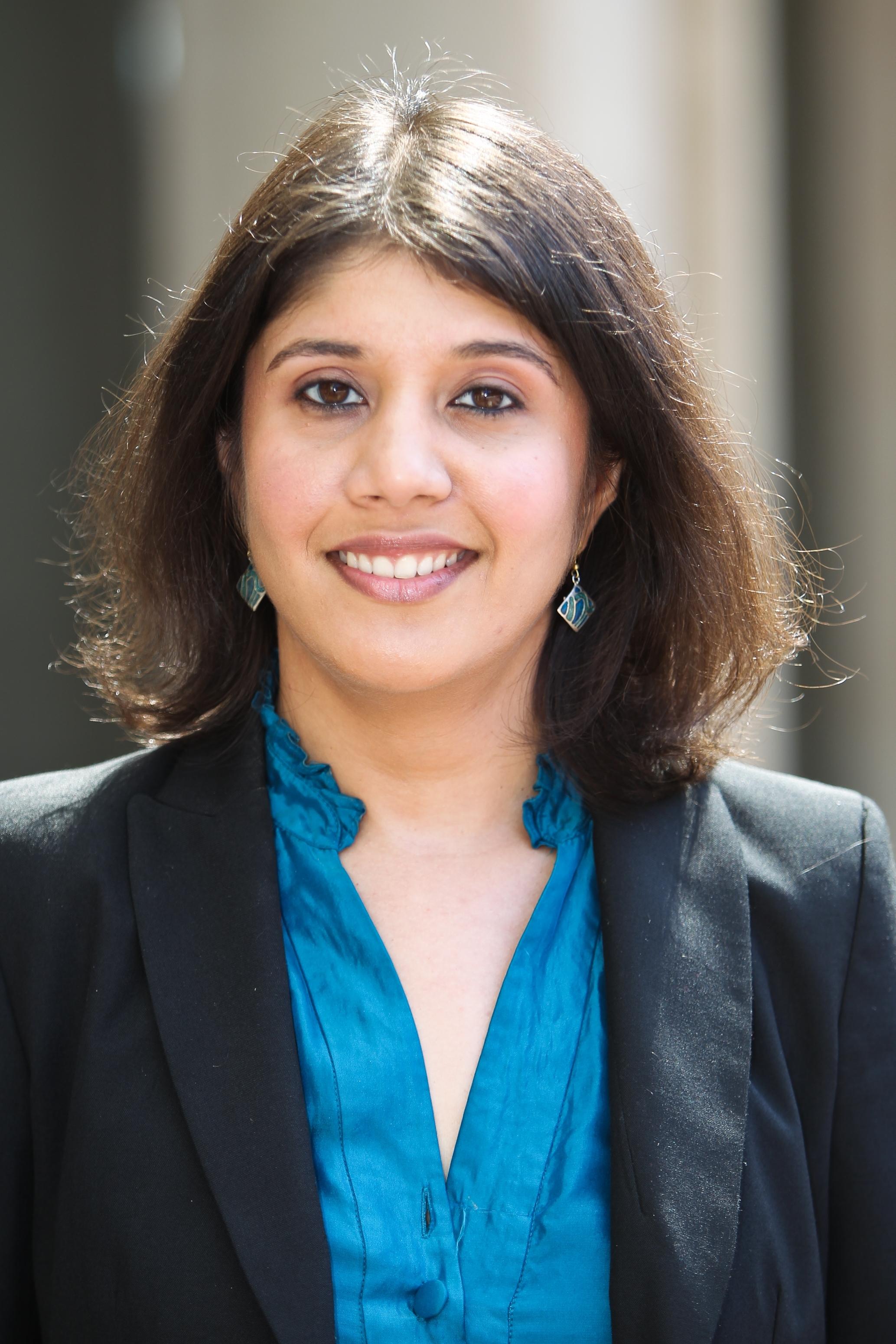
Tanvi Madan
4
APPEARANCES
4
PODCASTS
Sep 23, 2026

32:17

But certainly, that sort of, that decade or so, what sort of effects did he have in, in reality on foreign policy?

Tanvi MadanGUEST
I think, you know, there's been both continuity and change since Narendra Modi has been India's prime minister, uh, in, since to 2014.
Tanvi MadanGUEST
I think on the one hand, you've seen continuity and perhaps doubling down on that diversification strategy, uh, that I mentioned, and it is really the most consistent element of India's foreign policy.
Tanvi MadanGUEST
It hasn't mat- mattered which government, uh, and it's shown up in different forms.
Tanvi MadanGUEST
Essentially, it's a diversification strategy of maintaining a diversified portfolio of partners, which has included, and you'd asked about Europe, Europe has always been...
12 MINS LATER
45:14
Um, how do we really understand this, this, this five-year period when it suddenly seems, um, that India is taking such a different direction?

Milan VaishnavHOST
What is the message, do you think, that Modi was trying to send? And how much weight should we really place on these comments?
Tanvi MadanGUEST
I think, one, these comments did go further than those 2022 comments about this is not an era of war, which is kind of a passive, like, wind this up, you know, it's hurting everybody's interests.
Tanvi MadanGUEST
And a message that for India's own interest, you know, not on behalf of anybody, for India's own interest, that it would like to see an end.
Tanvi MadanGUEST
It's wanted to maintain its partnership, but it has never, at least the Indian government, whatever you say about folks outside, the Indian government understands that this has adversely affected several Indian interests.
Milan VaishnavHOST
But, you know, what are your expectations for the visit? And, you know, do you see this as kind of part of a broader rapprochement, which is kind of, again, a word that you're hearing a lot along with detente in the Indian press?

Tanvi MadanGUEST
He does, I think because of the reasons I outlined, thinking about how intimately connected India is to the world and how i- important the world is to India's objectives.
Tanvi MadanGUEST
It is perhaps the most consistent element of Indian polic- uh, foreign policy to have what I call a strategy of diversification.
Tanvi MadanGUEST
Uh, I know these days everybody's diversifying, but India has long had this idea of no permanent allies, lots of good friends.

Anna FifieldHOST
So how is he kind of hedging between these two giants, or how are the relationships changing there?

Tanvi MadanGUEST
We've seen both sides essentially indicate that they do not want an all-out war or conflict.
Tanvi MadanGUEST
Uh, for India, it is not in Indian interest, uh, to get diverted from its broader strategic and economic objectives, uh, including, uh, uh, tackling its, uh, its rivalry with China, uh, as well as economic growth and the need to create jobs at home, uh, and to play a leadership role in the region.
Tanvi MadanGUEST
Uh, for Pakistan as well, it has been, uh, facing political and economic headwinds, uh, it is, it has very few partners these days that are backing it, uh, and so going into a war situation for neither side, uh, would make sense.
Tanvi MadanGUEST
Having said that, you have seen calls at least, uh, to exercise a military option of some sort, uh, to have that calibrated kinetic option on the part of India.

Fareed ZakariaHOST
Is there a role for the US to, uh, help diffuse tensions? It has played that role in the past.