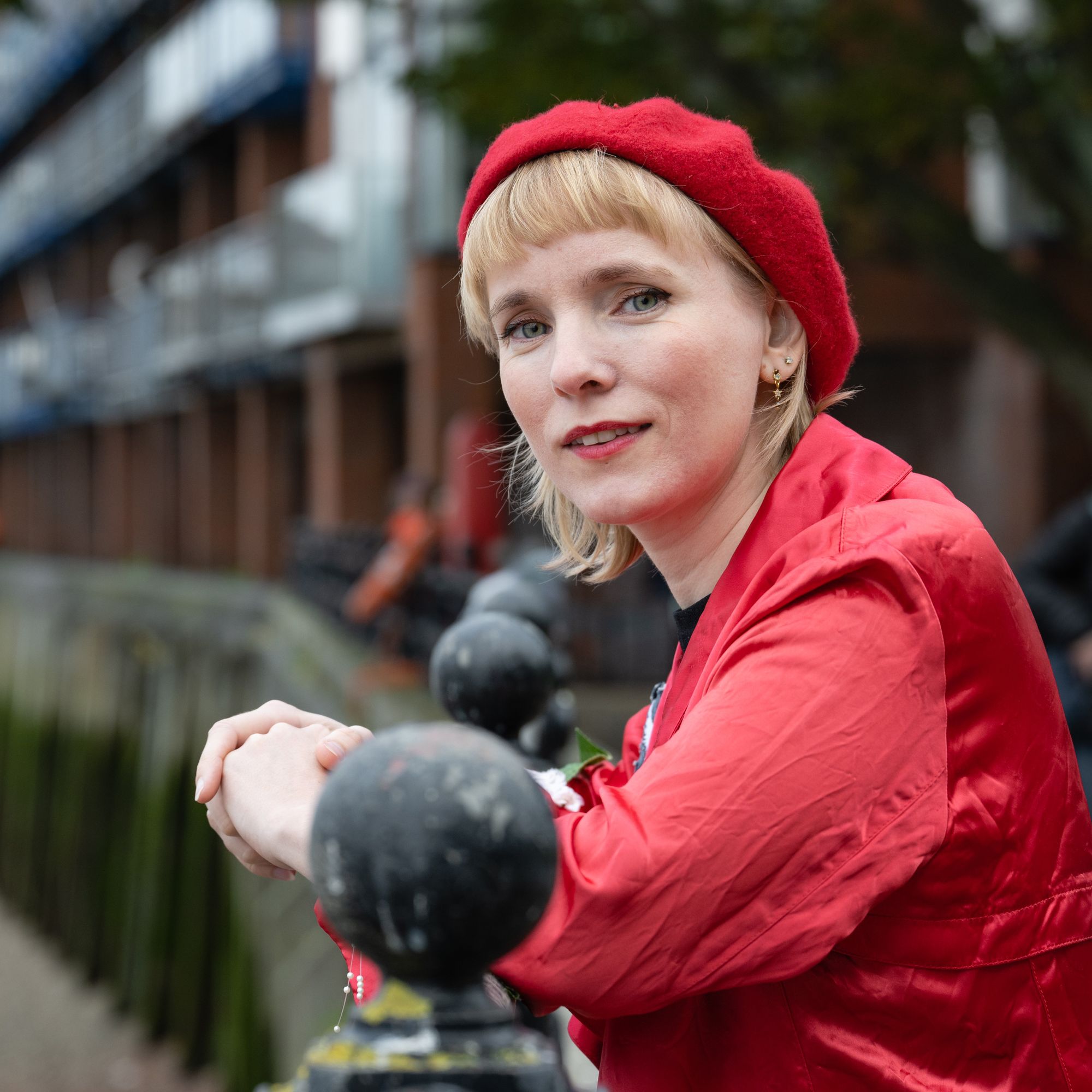
Tansy Hoskins
Journalist
5
APPEARANCES
4
PODCASTS
Oct 28, 2026

Mimi CartwrightHOST
And it's spent in that much time inside a charity shop change, any assumptions that you personally had about charity retail as a customer?

Tansy HoskinsGUEST
Like I'm not, no matter how weird or disgusting the donations got, I was never like angry at the customers because I think we've all been the people who has thoughtlessly donated stuff.
Tansy HoskinsGUEST
I don't think I've donated anything like disgusting, but I've donated stuff that's not really like suitable.
Tansy HoskinsGUEST
It transformed, yeah, like my understanding, I think, of clothing as well and what makes a good piece of clothing beautiful.
19 MINS LATER
38:52

So after spending four years immersed in this world, if you could change one thing about the relationship between fashion and consumers and charity shops, what would it be? And how would you go about it? Asking for a friend?


Meg PirieHOST
But this is sort of placed in also a... your book and the narrative which is set against austerity food banks growing hardship can we talk about this sort of juxtaposition and then can we also talk about your austerity timeline which you created which was quite a difficult read and I was reading it I was like oh my goodness it's you know to see it all you know in a timeline is quite hard isn't it to read it
Tansy HoskinsGUEST
And I wanted to write that timeline to kind of reassure people like you're not imagining things like, yeah, this is a much more difficult country to live in.
25 MINS LATER


Tansy HoskinsGUEST
yeah and you know and and uh fashion websites are like are the worst i mean they're all awful like the you know guardian will put trackers on you bbc will put tracks on you but any kind of fashion related content i found was putting the most number of trackers on my browsers when i clicked on it And then that was back in, like, a few years ago.
Tansy HoskinsGUEST
But, you know, this is why I do think, like, if you want to change... uh consumption habits we have to change society like we have a consumption-based uh society we have a society that tells us if we don't keep up with fashion we're going to lose out in some way you know maybe you're not going to find love maybe you're not going to find a good job maybe know maybe you'll get arrested or be treated differently by police or the courts and and things like this maybe you're you will get turned down by a landlord you know so many like big structural things that that keep you looking at having to look a certain way and having to keep up And like, my God, does that increase when you get older as well? It's like, you know, the little demons start going, oh, you're going to be irrelevant.
11 MINS LATER


Clare McDonnellHOST
we think we're in a kind of pre-loved virtuous circle, but that's not always the case, is it, when we donate to charity shops?
Tansy HoskinsGUEST
Yeah, I mean, I think we donate to charity shops because we love the charities that, you know, that are running the shops.
Tansy HoskinsGUEST
And we hope that we're doing something good and we hope the clothes are going to the people who need them.
Tansy HoskinsGUEST
And I mean, yes, like one of the countries where loads of stuff ends up from the UK is Ghana, right? And, well, the figures are a bit controversial, but millions and millions of the pieces of clothing that arrive in Ghana are not sellable there either by the market traders.
Tansy HoskinsGUEST
You know, if something's not a nice item in the UK, it doesn't become a nice item on the boat over to Ghana.
Clare McDonnellHOST
So we think we're in a kind of pre-loved virtuous circle, but that's not always the case, is it, when we donate to charity shops?
Tansy HoskinsGUEST
Yeah, I mean, I think we donate to charity shops because we love the charities that, you know, that are running the shops.
Tansy HoskinsGUEST
And we hope that we're doing something good and we hope the clothes are going to the people who need them.
Tansy HoskinsGUEST
And I mean, yes, like one of the countries where loads of stuff ends up from the UK is Ghana, right? And, you know, stuff there is like falling, you know, about, well, the figures are a bit controversial, but millions and millions of the pieces of clothing that arrive in Ghana are not sellable there either by the market traders.
Tansy HoskinsGUEST
You know, if something's not a nice item in the UK, it doesn't become a nice item on the boat over to Ghana anymore.