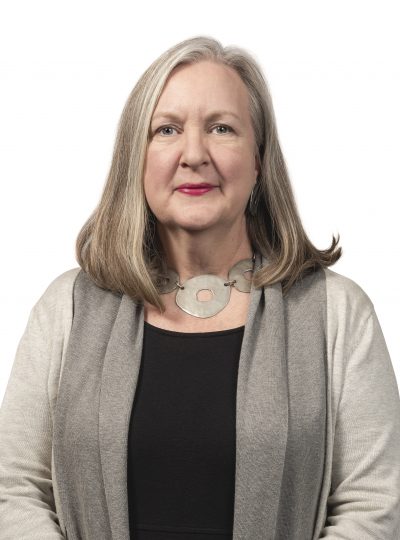
Tammy Patrick
7
APPEARANCES
4
PODCASTS
Oct 2, 2026


Bob BauerHOST
So can you talk a little bit about a complexity as it relates to the decentralized character of our elections?

Tammy PatrickGUEST
It's important when we think about elections to realize that across the landscape of the country, it's such a patchwork.
Tammy PatrickGUEST
And the question that we ask and the terms that we use are going to inform what the answer is.
Tammy PatrickGUEST
So for instance, what is a local election official called? varies all across the country.
Tammy PatrickGUEST
They might be a clerk, an auditor, a supervisor, a recorder, a registrar, a probate judge.
Tammy PatrickGUEST
What do we call a ballot that's cast before election day? It might be in-person absentee.


Tammy PatrickGUEST
Well, our election professionals that conduct our elections are steadfast in maintaining the rule of law in their states and upholding their state statutes to make sure that only eligible voters are voting, but that all eligible voters have the ability to free and fairly and unencumbered participate in the process.
Tammy PatrickGUEST
So they're continuing to do all of the things they've done in the past to safeguard our elections and make sure that election officials all across the country are ready and prepared in this moment to serve their voters and to serve their electorate.
Tammy PatrickGUEST
It's important for voters to understand that although this rule has not gone in place, there are still safety measures and security measures in place to make sure that voting by mail, voting early in person, or going to the polls on Tuesday on the 3rd of November are all safe and, and viable options for election officials as well as for voters all across the country.
Tammy PatrickGUEST
Um, so it's important for them to know that the rules in place in their states remain.

Tammy PatrickGUEST
Well, our election professionals that conduct our elections are steadfast in maintaining the rule of law in their states and upholding their state statutes to make sure that only eligible voters are voting, but that all eligible voters have the ability to free and fairly and unencumbered participate in the process.
Tammy PatrickGUEST
So they're continuing to do all of the things they've done in the past to safeguard our elections and make sure that election officials all across the country are ready and prepared in this moment to serve their voters and to serve their electorate.
Tammy PatrickGUEST
It's important for voters to understand that although this rule has not gone in place, there are still safety measures and security measures in place to make sure that voting by mail, voting early in person, or going to the polls on Tuesday on the 3rd of November are all safe and viable options for election officials as well as for voters all across the country.
Tammy PatrickGUEST
So it's important for them to know that the rules in place in their states remain.

Tammy PatrickGUEST
Well, our election professionals that conduct our elections are steadfast in maintaining the rule of law in their states and upholding their state statutes to make sure that only eligible voters are voting, but that all eligible voters have the ability to free and fairly and unencumbered participate in the process.
Tammy PatrickGUEST
So they're continuing to do all of the things they've done in the past to safeguard our elections and make sure that election officials all across the country are ready and prepared in this moment to serve their voters and to serve their electorate.
Tammy PatrickGUEST
It's important for voters to understand that although this rule has not gone in place, there are still safety measures and security measures in place to make sure that voting by mail, voting early in person, or going to the polls on Tuesday on the 3rd of November are all safe and viable options for election officials as well as for voters all across the country.
Tammy PatrickGUEST
So it's important for them to know that the rules in place in their states remain.

Lisa DesjardinsCORRESPONDENT
But I wanna ask you, for those skeptical about mail-in voting, which has been a drumbeat for President Trump since 2016, what do you say to them about the chances of fraud from mail-in ballots?
Tammy PatrickGUEST
All across the country, voter eligibility is verified, and the voter is authenticated both when they request a ballot and also when the ballot is returned to the election official.
Tammy PatrickGUEST
Now, this can be done in a variety of ways depending on state laws, and every state has a law about this.
Tammy PatrickGUEST
In some cases, it's a comparison between the signature on the envelope and the signature on the voter's file.
Tammy PatrickGUEST
But in every case, the voter's eligibility is authenticated using what that state law has determined is correct in the state, and we ensure that the ballot packet is from the intended voter.
Lisa DesjardinsCORRESPONDENT
California is an outlier in terms of how long it takes to count votes, but why do results change there, and is there an opening for fraud?
Tammy PatrickGUEST
fraud?For voters, it's important to realize that for the election professionals conducting our elections, it's about the process, not the outcome of the election.
Tammy PatrickGUEST
So while it's true that California has the lar- the longest certification period based on their state's law, in every state in the nation, there's a period of time after Election Day where the election officials are checking to make sure that all eligible ballots are in fact correctly adjudicated, that they're counted if they're supposed to be counted, and if they shouldn't be counted, that they are kept from the final tabulation.
speaker_0HOST
to the election official.
Tammy PatrickGUEST
Now, this can be done in a variety of ways depending on state laws, and every state has a law about this.
Tammy PatrickGUEST
In some cases, it's a comparison between the signature on the envelope and the signature on the voter's file.
Tammy PatrickGUEST
But in every case, the voter's eligibility is authenticated using what that state law has determined is correct in the state.
Tammy PatrickGUEST
Do we know how hard it is to fake a signature in that case? So I've taken forensic signature training and I will tell you it's pretty difficult because it's not just that everyone signs their signature exactly the same each time because we don't.