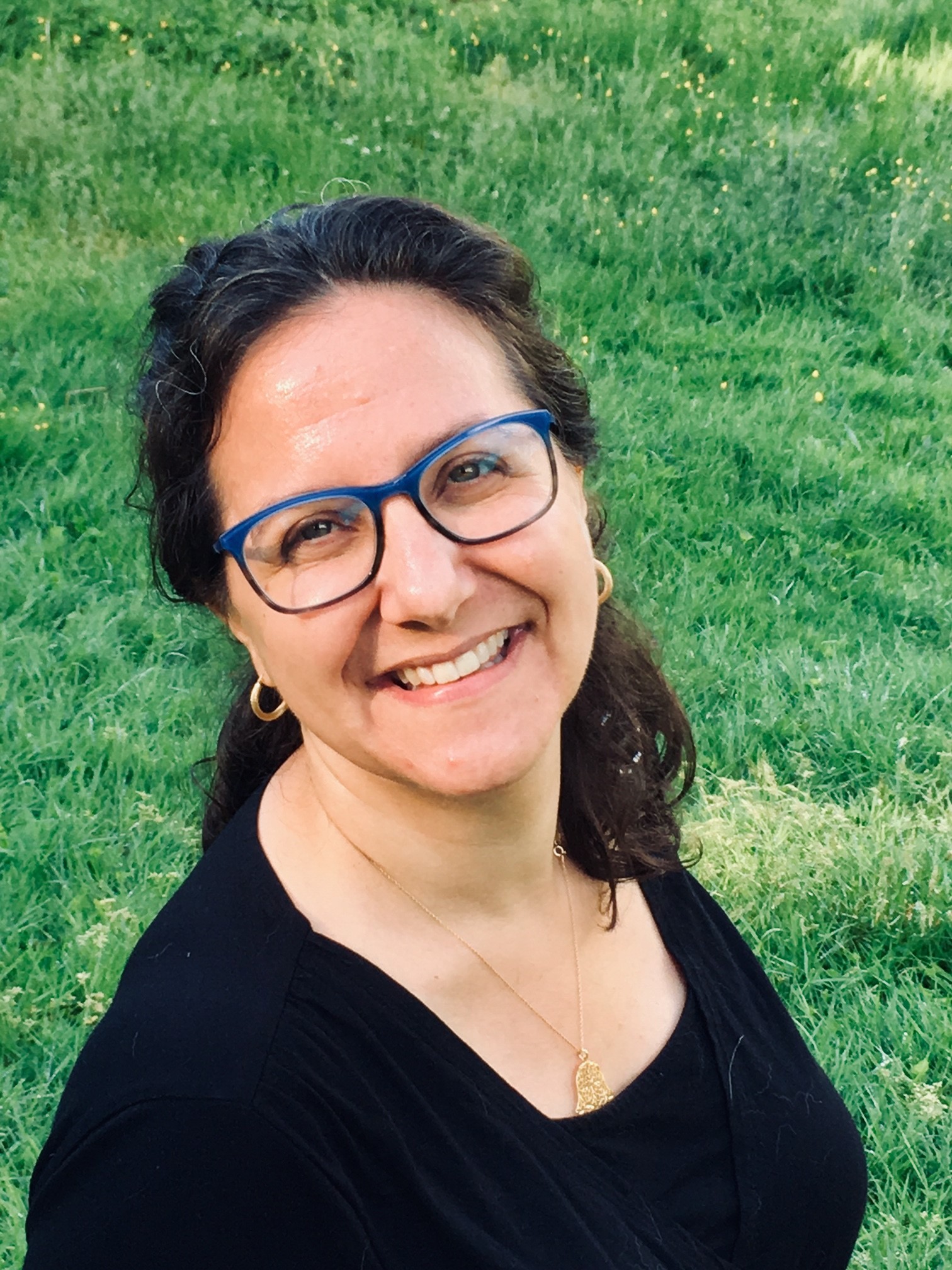
Tamara Cofman Wittes
American writer
1
APPEARANCES
1
PODCASTS
Oct 2, 2026


Larry RubinHOST
I guess, how has your thinking changed over this period? How do you kind of grapple with this moment?

Tamara Cofman WittesGUEST
One can ask the question, and I think some of those superb scholars of the Egyptian military, like Bob Springborg, have looked at, did the Egyptian military ever really move away from its position as the power behind the throne in Egypt? No, it never did.
Tamara Cofman WittesGUEST
You know, even when Egypt had its first democratically elected president, the military still was there.
Tamara Cofman WittesGUEST
And ultimately when they decided that Mohammed Morsi was no longer something, someone they were willing to tolerate, they carried out a coup and they did it with support from other States in the region who did not like the outcomes of the Arab uprisings and the instability and that kind of revolution succeeded.
5 MINS LATER

Rachel WhitlarkHOST
So how do we prioritize and what role do you want the U.S. to play in the Middle East, especially because there are voices who say the U.S. should not play a role in any of this?