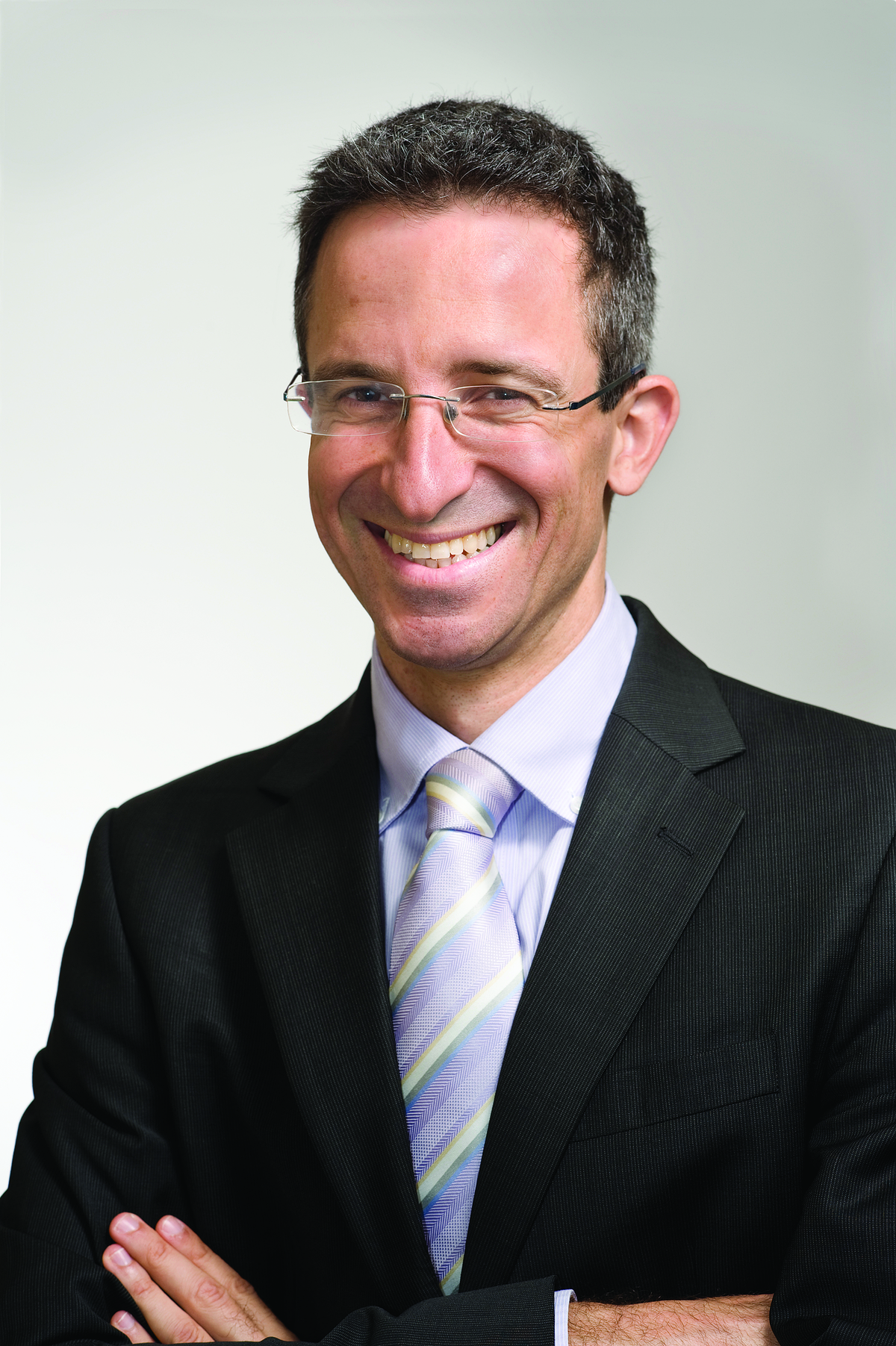
Tal Ben-Shahar
Professor and writer
8
APPEARANCES
8
PODCASTS
Sep 25, 2026

speaker_4NARRATOR
how to stop procrastinating when you're overwhelmed.

Tal Ben-ShaharGUEST
The knowing-doing gap is the disconnect that often exists between theory on the one hand and practice on the other.
Tal Ben-ShaharGUEST
It's a gap I've witnessed time and again in my own life and in the lives of others.
Tal Ben-ShaharGUEST
You see, most change efforts, whether personal or organizational, fall short because we misunderstand what it actually takes to bring about lasting change.
Tal Ben-ShaharGUEST
When it comes to the question of how to create lasting change in our lives, it turns out that many of us were led astray by some of the most influential philosophers throughout history.
Tal Ben-ShaharGUEST
Socrates, for instance, who's considered the father of Western philosophy, believed that to know the good is to do the good.
Tal Ben-ShaharGUEST
In other words, he assumed that once you know what the right thing to do is, you will do it.
29 MINS LATER
speaker_4NARRATOR
The Essential Elements of Happiness


Tommy MelloHOST
I'm guessing that came [chuckles] a lot in the philosophy and psychology side of when you entered into that.
25 MINS LATER

speaker_2ADVERTISER
Mm-hmm.
Tal ShaharGUEST
So it starts from first taking our address, the property in question, and create an holistic overview of that asset, which means to go even to Google Maps and drive around, just like an analyst would look around the street, et cetera, to understand whether it's a waterfront that will increase the value or actually it's next to, like, a very problematic area with wood shops and whatever that can really take it down.
Tal ShaharGUEST
At the same time, extracting all relevant images from all available sources and understanding whether it was recently renovated, the rooms all make sense, or there are, like, some weird pole in the living room or a window that is really not in place that should affect the value.
Tal ShaharGUEST
And from that, several agents that create the full holistic view of the property then use the same agents to do the same analysis on all the comps in the area.
Tal ShaharGUEST
And by that, even, like in the past, you just look at two comps and you say, "Oh, that's both properties built in the year 2000, five-unit multifamily i- in the same block, so it should be a great comp." But now with these agents, you can see, wait, no, that actually other comp was recently renovated, so it's not the same.
27 MINS LATER


JosephHOST
Mm-hmm.
Tal Ben-ShaharGUEST
And, uh, and again, I've been thinking a lot about it, and, uh, I've fortunately not been the only one thinking about it.
Tal Ben-ShaharGUEST
So drawing on the works of going all the way back to, you know, Aristotle and Confucius, who, um, who, who talked about it, and, and, and then to modern, uh, research by, you know, Alan Langer and Sonja Lyubomirsky.
Tal Ben-ShaharGUEST
Um, looking at all that, I've, um, come to the, um, acronym, very simple acronym, that captures the... w- what I think is the best path to bridging that knowing-doing gap, and that is the three Rs of change.
Tal Ben-ShaharGUEST
So, um, if I ask you, or anyone else for that matter, do you prefer to appreciate your loved ones or the important things in your life, or would you rather take it all for granted? You know, silly question, rhetorical question.
31 MINS LATER
JosephHOST
So do you think it's the case that perhaps relationships will sort of erode gradually rather than kind of collapsing suddenly?

Tal Ben-ShaharGUEST
As means towards the attainment of the ultimate end, which is the enjoyment of the moment, deriving the most from the moment.
Tal Ben-ShaharGUEST
So let's say I have a, a, a goal, an objective, publishing a book by July 1st, 2028.
Tal Ben-ShaharGUEST
As soon as I have that goal, I know what I wanna write about, I begin to write.
Tal Ben-ShaharGUEST
Now, when I'm writing, I have that goal in mind, but I can let go of it, and I can just focus on what I'm doing right now, which is sitting in front of my computer and writing.
28 MINS LATER

Tal Ben-ShaharGUEST
Are, are, are meditators happier than the non-meditators? The answer is clearly yes.
Tal Ben-ShaharGUEST
Um, people who meditate regularly, their brains are actually qualitatively different than non-meditators' brains in terms of, uh, being more resilient, uh, in terms of being more susceptible and open to pleasurable emotions, in terms of being more open and generous towards others, uh, uh, in terms of being physically healthier.
Tal Ben-ShaharGUEST
So just about every variable that, that you look at, there is an upside, a benefit to, um, to meditating.
Tal Ben-ShaharGUEST
Now, what's interesting here is that there are many different forms of meditation, and there is no one size fit all.
Tal Ben-ShaharGUEST
What meditation or be- very simply means is being present, uh, being in the here and now, or some would qualify non-judgmental presence.
33 MINS LATER


Tal Ben-ShaharGUEST
I'm the co-founder of the Happiness Studies Academy, where, uh, we focus on helping, uh, people become happier as well as spread happiness.
Tal Ben-ShaharGUEST
Today we have a very, very special guest whom, uh, I've known since, uh, my days in, uh, graduate school.
39 MINS LATER


Tal Ben-ShaharGUEST
We spend most hours of the day in the workplace, and the overwhelming majority of people are unhappy all the way to miserable in the workplace, and this is why we see such high turnover, you know, the Great Resignation today, when people are leaving their jobs, looking for other, uh, possibilities, other opportunities.
7 MINS LATER
Tal Ben-ShaharGUEST
You know, I wake up in the morning and I teach as part of the Happiness Studies Academy, or I write.
Tal Ben-ShaharGUEST
Now I can wake up and say: "Okay, another day of writing, another day of teaching the same thing." Or I can say: "I have an opportunity, a privilege now to share what I care about so much with others." What did I do? I simply reframed what I'm doing anyway.