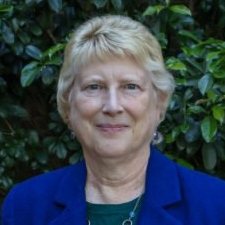
Susan Abernethy
Founder of Mudança Healing, end-of-life doula and trained primary care physician specializing in advance care planning, patient advocacy, and death education.
1
APPEARANCES
1
PODCASTS
Aug 5, 2026


Leah ShermanHOST
And so what are things that you do to prepare your clients, even if there isn't a- ... a terminal illness on the table.

Susan AbernethyGUEST
I think, you know, it's interesting because I am working with, um, some families right now where someone was recently diagnosed with cancer, and the response was, "You know, I don't need your services right now, and we'll see if I do down the road." And I was like, "No, now is the moment you absolutely need my services.
Susan AbernethyGUEST
Before you go into the throes of complex treatment and, and care, what are the things that bring value to you and what do you want?" And so really starting to have those conversations that are patient-centered, what is it that the person who has the illness or the person whose end of life we are planning wants for their life? And in the moments of trauma and rapid decision-making during care, it can be very difficult for the patient's voice to be centered because you have doctors, you have family members, other people telling you what you should do and how you should do it, and often decisions are rapid fire, and that doesn't give you time to really think.
Susan AbernethyGUEST
So when I work with someone early on, it's really talking about what, as you look forward, do you want for your arrangements? What do you think your death would be like? Would you want to be at home or in a facility? Would you want loved ones around you? Do you get pleasure from music or animals or nature? I do music therapy and other things.
Susan AbernethyGUEST
Like, what would bring you comfort as you think about it? And certainly, if we're doing this years in advance, it can change, but you've got a framework to start with to begin to have these conversations and then map backwards, you know, what that could look like.
Susan AbernethyGUEST
Often, I find if we can have these conversations and someone does have that peace of mind, they're able to live more fully in the moment because they've been able to think about what it is that is important to them and then map the rest of their life to meet that, right? Instead of often we just, I find myself often stumbling through life, and you wake up and it's like, "Whoa, how did five years go by?"
15 MINS LATER
Leah ShermanHOST
Is there anything else that you want to discuss that maybe we haven't touched on?