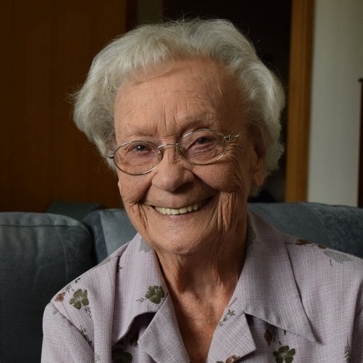
Sue Castrique
Sue Castrique is a Sydney-based historian, writer and script editor, author of Gumbramorra: Water, Place and People and Under the Colony's Eye.
1
APPEARANCES
1
PODCASTS
Sep 27, 2026

18:08

But you mentioned how in the first half century of colonisation, the poorer white invaders also derive resources from the swamp too.

Sue CastriqueGUEST
I mean, colonists didn't occupy and try to live on this area until really about the 1850s or 1860s.
Sue CastriqueGUEST
But before that, the valley was ringed by quite dense... areas like Camperdown, Redfern, Newtown.
Sue CastriqueGUEST
So yeah the area was a magnet really and treated I mean what colonists brought was an understanding of commons you know that there was that a commons was an area often a wasteland that you could roam over and find enough to survive on.
Sue CastriqueGUEST
And I think colonists here treated Gumbamurra in much the same way, as an informal commons in a sense.
Sue CastriqueGUEST
It was owned by Robert Wardell and the eastern side by Thomas Smyth, but people nevertheless walked down, found eggs, duck eggs, took wood for their fireplaces, cut grass for their bedding, and used the resources of the swamp in order to kind of help them survive in lean times.