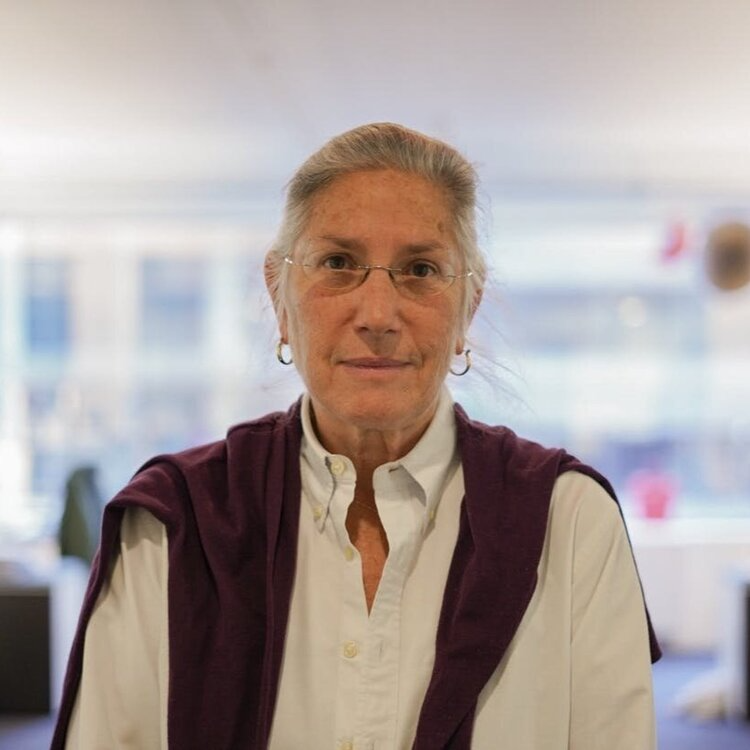
Sue Biniaz
1
APPEARANCES
1
PODCASTS
Aug 20, 2026

speaker_1NARRATOR
She outlines the US position and what the withdrawal means.

Sue BiniazGUEST
As a practical matter, the US has kind of been acting de facto like a non-party since the beginning of the second Trump administration.
Sue BiniazGUEST
They didn't send a delegation to COP30 or to the, even to the subsidiary body meetings in Bonn about a year ago.
Sue BiniazGUEST
They also stopped implementing their obligations under, uh, the agreements, including, you know, not submitting a report that was due about a year ago.
Sue BiniazGUEST
So already we're kind of living in the world of US non, uh, participation, which, you know, it's quite a contrast from the first Trump administration.
Sue BiniazGUEST
I, I would say broadly speaking, and just with respect to the COP, but multilateral climate cooperation in general, it's definitely had a negative effect.
Sue BiniazGUEST
I mean, climate has not even been a, uh, permissible topic at the G7 and the G20, for example.
8 MINS LATER
speaker_1NARRATOR
Biniaz agrees and highlights that while the US has never been historically reliable on the climate, the current situation seems more serious.