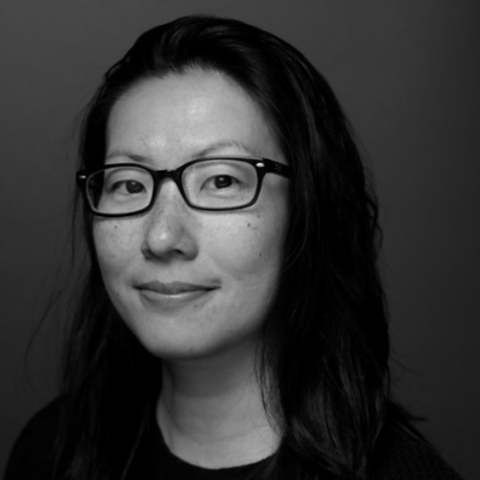
Sue-Ann Teo
Human rights lawyer and academic; Thematic Expert on AI and Human Rights at the Raoul Wallenberg Institute and Fellow at Harvard Kennedy School's Carr-Ryan Center.
1
APPEARANCES
1
PODCASTS
Sep 28, 2026


Therese MurphyHOST
So could you give us a very basic introduction to the EU's AI Act? And as part of that, can you help me understand why this Act seems to have got so much attention?

Sue-Ann TeoGUEST
Thank you, Therese, for asking this question, because I think it sets the scene in terms of looking at AI regulation in general, but also bringing forth the European approach.
Sue-Ann TeoGUEST
So the EU AI Act is a milestone in a sense, because it's the first in the world to comprehensively regulate AI.
Sue-Ann TeoGUEST
Using this thing called a risk-based approach and which treats AI as a product from a product safety legislation perspective.
Sue-Ann TeoGUEST
So the risk-based approach means that the type of obligations that are set out for those who design and deploy AI depends very much on a risk classification.
21 MINS LATER