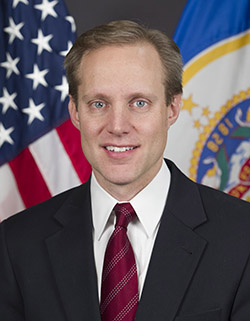
Steve Simon
Secretary of State of Minnesota
12
APPEARANCES
8
PODCASTS
Oct 29, 2026


Brian BakstHOST
What more does the state need to do to guard against it and assist businesses that fall victim? We'll start with you, Steve Stein.

Steve SimonGUEST
One of my proudest accomplishments in my time in this job is the bill that we just passed that just took effect on January 1st to tackle business identity theft.
Steve SimonGUEST
And what happens is bad actors can come in and they can either file a phony business, they could before, or they can come in and inhabit the shoes, basically hijack an existing business.
Steve SimonGUEST
And before this law was passed, broad bipartisan support, by the way, we had to tell folks, look, we can't undo a particular transaction absent a court order.
8 MINS LATER


Steve SimonGUEST
What is vouching? It's meant for people like my dad, who once upon a time moved from city to city within Minnesota in October of an election year.
Steve SimonGUEST
And you need a license that shows you are who you say you are and you live where you say you live.
Steve SimonGUEST
He had to find a neighbor who was registered to vote in his precinct, not some random person on the street.
21 MINS LATER

Kelly GordonHOST
Do you know how many voting sites DOJ monitors went to? Are you expecting something similar in numbers in November?
Steve SimonGUEST
In the primary, I think they had sent two-person teams, like a handful or so of two-person teams.
Steve SimonGUEST
I think the number was something like 40 polling places overall, 40-ish, something like that.
Steve SimonGUEST
And by the way, I should point out that the law gives the counties, in this case, Ramsey and Hennepin, the right to, in essence, veto their presence in the polling place itself, which they did.

Steve SimonGUEST
Well, first, let me say we were happy to cooperate and help the Department of Justice in the bringing of these charges.
Steve SimonGUEST
They asked us for and we gave them some data and information that led to the charges.
Steve SimonGUEST
If you break our election laws, you're committing a crime against democracy, period.


Jon EdwardsHOST
Like, do you find yourself walking a tightrope? Like how political, how much of a firebrand can I really be? Because I have this other job that I'm doing.
Steve SimonGUEST
Yeah, I mean, obviously I've been able, I think, to successfully harmonize and balance those two things.
Steve SimonGUEST
I made the decision very early on after I got elected that I wouldn't, and it's not written anywhere in state law, but I consulted a lot of people and I decided, and it's the right decision, I do not endorse candidates for any office at any level for any reason.
11 MINS LATER


Steve SimonGUEST
Over the last decade or more, we in Minnesota and all states have enjoyed a really good partnership with the federal government, particularly with the Department of Homeland Security.
Steve SimonGUEST
Over the last decade or more, we in Minnesota and all states have enjoyed a really good partnership with the federal government, particularly with the Department of Homeland Security.


Jen WhiteHOST
Secretary Simon, I'd love to begin by getting your reaction to the letter the Department of Justice sent out last week.
Steve SimonGUEST
What the letter really was was a laundry list of federal laws that we are well aware of, that we are very familiar with, along with the penalties, which we are also very familiar with.
Steve SimonGUEST
The fact that this letter was sent or someone thought it needed to be sent is a little bit puzzling.
Jen WhiteHOST
What processes and procedures do you currently have in place in Minnesota to prevent noncitizens from voting?


Al SharptonHOST
Can you help us understand the significance of the commissioners firing? What does it mean for midterms and looking forward to 2028?
Steve SimonGUEST
I mean, this one thing might seem kind of boring to a lot of people, but this Election Assistance Commission really, really helps the states out a lot in administering elections, whether it's through helping to certify elections equipment or get information out there about what the rules are.
Steve SimonGUEST
I mean, whether it's these unconstitutional executive orders, whether it's raiding the elections office in Atlanta, Georgia, whether it's attempting to hamstring the U.S.
Al SharptonHOST
Secretary, what are your biggest concerns for the upcoming midterms? What are you and other secretaries of state focusing on?
Steve SimonGUEST
fraud, like intentional someone going out to do the wrong thing, registering or voting, we know it really is microscopic.
Steve SimonGUEST
I'll give you another example that made a couple headlines here a couple years back.