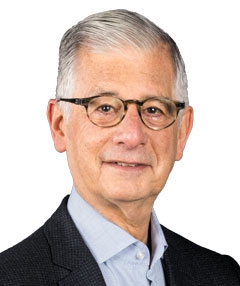
Steve Goldsmith
Derek Bok Professor of the Practice of Urban Policy at Harvard Kennedy School; Director of Data-Smart City Solutions; host of Data-Smart City Pod; former Mayor of Indianapolis.
2
APPEARANCES
2
PODCASTS
Jul 23, 2026


Bill EggersHOST
what would be, with that kind of data, how would that impact different policy decisions or operations?

Steve GoldsmithGUEST
So it would mean that from 4 to 6 on Saturday night, that the price of parking goes up.
Steve GoldsmithGUEST
It would mean that from 10 to 12, commercial loading zones would increase in the number of zones, and you'd have an advantage for electric vehicles.
Steve GoldsmithGUEST
It would mean that you couldn't drop your scooter off in front of a restaurant for people to drop off without a financial penalty.
Steve GoldsmithGUEST
It would mean that the use of the curb would was more connected to the quality of life in the community with dynamic variations in management.
Steve GoldsmithGUEST
You could look at, as you know, anonymized cell phone data to determine where the density of pedestrian traffic is so that it would change how you handle valet parking and outdoor cafes.
Bill EggersHOST
So what's the promise here and how can governments better capitalize on this promise?

Bill EggersHOST
what would be, with that kind of data, how would that impact different policy decisions or operations?
Steve GoldsmithGUEST
So it would mean that from 4 to 6 on Saturday night, that the price of parking goes up.
Steve GoldsmithGUEST
It would mean that from 10 to 12, commercial loading zones would increase in the number of zones, and you'd have an advantage for electric vehicles.
Steve GoldsmithGUEST
It would mean that you couldn't drop your scooter off in front of a restaurant for people to drop off without a financial penalty.
Steve GoldsmithGUEST
It would mean that the use of the curb would was more connected to the quality of life in the community with dynamic variations in management.
Steve GoldsmithGUEST
You could look at, as you know, anonymized cell phone data to determine where the density of pedestrian traffic is so that it would change how you handle valet parking and outdoor cafes.
Bill EggersHOST
So what's the promise here and how can governments better capitalize on this promise?