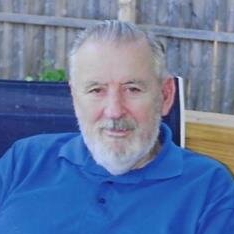
Stephanie Zelenko
National agronomist at AgroLiquid and frequent radio/podcast guest on crop nutrition, soil testing, and soybean agronomy (Ag PhD Radio, Brownfield, Southeast AgNET).
4
APPEARANCES
2
PODCASTS
Oct 30, 2026


Stephanie ZelenkoGUEST
Well, as far as harvest goes, it's been great not having that rainfall to delay things any.
Stephanie ZelenkoGUEST
It has not helped the wheat crop a whole lot, but it has helped that harvest progress.
Stephanie ZelenkoGUEST
And as I look across the countryside, I can see a lot of guys are getting soybeans pretty much wrapped up.
Stephanie ZelenkoGUEST
Corn's getting a good dent in it, so there's not a whole lot of acres left.
Stephanie ZelenkoGUEST
So If we can keep it dry for a couple more days, I think it's going to help those guys get things wrapped up pretty quickly here as we go into November.
Stephanie ZelenkoGUEST
Like I said, for the wheat crop, we could use a little bit more rain and then just to build that profile up so we can have a good start for next season.
Stephanie ZelenkoGUEST
Well, the thing that I've kind of noticed, whether I'm talking to the growers here in Michigan or guys in Indiana or Illinois or even Iowa, is yields are higher overall than they expected with the drier, hot summer that we had.
Stephanie ZelenkoGUEST
I do know there's some pockets that still were pretty hurt by the lack of rainfall and temperatures there.
Stephanie ZelenkoGUEST
But generally speaking, what we were expecting to get out of a crop, we're getting a little bit above that.
Stephanie ZelenkoGUEST
So I think that's kind of a positive spin on where we thought this season was going to end.
Terry HenneHOST
And given the fact that some of the producers did take advantage of better pricing over the summer, hopefully that's really good news.

Stephanie ZelenkoGUEST
The further west you get in the United States, You know, the higher those soils are just naturally in calcium.
Stephanie ZelenkoGUEST
But in reality, you know, we're seeing good responses even with those base saturations that are in that ideal or even that high range because that calcium isn't available.
Stephanie ZelenkoGUEST
You know, calcium is very reactive in the soil, especially with things that are negatively charged like phosphorus.

Darren HeftyHOST
Is there kind of a bare minimum where you say, if you're down to this point, you just don't mine anymore? Or how do you go about setting that up?
Stephanie ZelenkoGUEST
Well, I always start with that soil test, you know, and that's something you guys talk about a lot in getting a good baseline.
Stephanie ZelenkoGUEST
If those are off, then I'm still going to look at getting, you know, some balancing in there.
Stephanie ZelenkoGUEST
But if we've done a really good job over the last couple of years and have good soil conditions, then, yeah, this might be that opportunity to kind of take a little bit out of that savings account and utilize it.
Stephanie ZelenkoGUEST
But you need to use the tools to make the decisions and pick which nutrients you're going to do that with and not just do it across the entire board.