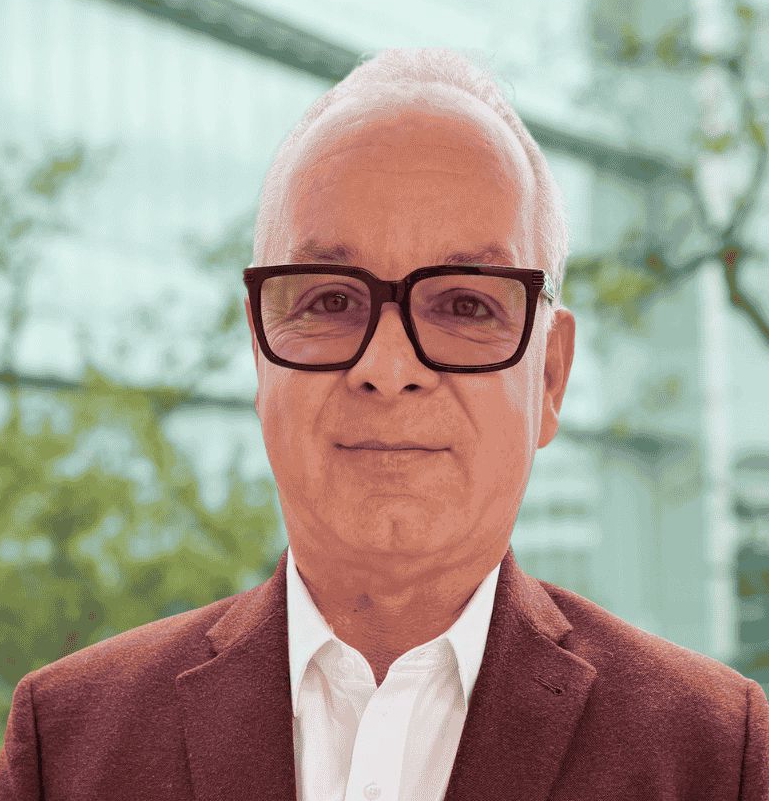
Stephan Gelinsky
Rock physicist and Senior Technical Advisor at Ikon Science (formerly 25 years at Shell), founder of Ephangeli Enterprises, specializing in quantitative interpretation and reservoir characterization.
1
APPEARANCES
1
PODCASTS
Sep 17, 2026


Andrew GaryHOST
When does more information stop helping and start making the interpretation more difficult to trust?

Stephan GelinskyGUEST
Yeah, if I focus for a moment at the attribute aspect of that question, you know, I think it's helpful to think for a moment on how we actually utilize attributes, you know, how does they work in supporting quantitative interpretations? And what we try to exploit is a causal relationship between something in the subsurface changing and an attribute that we can record, extract from the data, you know, reflecting on that change.
Stephan GelinskyGUEST
But there is the pitfall that we may just observe a correlation that is, you know, present in a couple of data sets that we study that we use to calibrate.
Stephan GelinskyGUEST
A cause and effect relationship between what we're interested in and what we observe, you know, as we move to different settings, certain things change, we lose the predictive ability of that attribute, right? So adding more of things that just locally correlate doesn't necessarily help.
Stephan GelinskyGUEST
Now, the other thing is not all these attributes are really independent from each other.
Stephan GelinskyGUEST
And adding more of the same may just lead us to a biased interpretation because one type of attribute now is overrepresented by being in four different shapes and forms, you know, part of that interpretation workflow.
Andrew GaryHOST
So Steven, if you and Per just happen to disagree about a QI result, what do you find usually with two skilled interpreters are they typically disagreeing about?