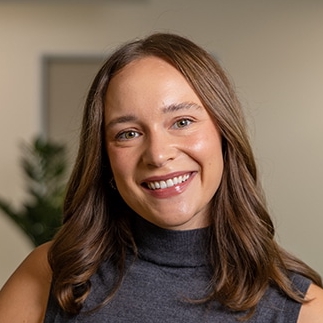
Sophie O'Dwyer
Sophie O'Dwyer is a Senior Health and Clinical Psychologist and Co-Founder of Paced Health on the Gold Coast, Australia, specialising in chronic pain psychology.
1
APPEARANCES
1
PODCASTS
Aug 1, 2026


Lachlan TownendHOST
Um, I, want you to explain or at least your thoughts this might be something you can't answer as well exactly the way you know people like that you know yes no kind of answer um or that very black and white answer but why why do some people not develop um PTSD after a traumatic event do you have some thoughts around why that might be

Sophie O'DwyerGUEST
Yeah, I guess it depends on the nature of the trauma and, like, again, what, you know, happened in the person's life before and at the time of it happening.
Sophie O'DwyerGUEST
I recall from some PTSD training I did that, you know, women are more likely than men to go on to develop PTSD and particularly if it's an interpersonal trauma can be, like, a type of trauma that happens can yeah be more likely to become PTSD um so yeah I think I think that's a factor and um again like what yeah sense of safety does the person already kind of have in their life when when the trauma occurs if I'm seeing a client who like is is still in a situation that's quite like unsettled or unstable it's going to be very difficult for um like for us to kind of work through that trauma until they can get to a place of kind of stabilization where we can start to form that distinction between like past and present so yeah in like the first phase of any trauma treatment it's reaching that place of safety and stabilization um and yeah like Supporting the person to come back to window of tolerance, widen the window of tolerance, feel settled in the therapeutic relationship.
Sophie O'DwyerGUEST
But, yeah, like if the person's in a situation where there's still a sense of threat or dysregulation, it can be, yeah, difficult for that to heal.
10 MINS LATER
Sophie O'DwyerGUEST
Yeah, it's, you know, going to be so dependent on like, person and you know my whole formulation of what's going on for them and what existing strategies they're coming with and all of that um but even just thinking about kind of like some of the core skills we teach in like our group program for example um like there are is a lot of benefit in relaxation techniques breathing progressive muscle relaxation imagery mindfulness um as a way to help you know increase a sense of like safety in the body, come back to window of tolerance, reduce stress, um, improve sleep.
Sophie O'DwyerGUEST
Um, even like progressive muscle relaxation is actually one of my favorite techniques to introduce because, so just briefly, it's for those who don't know, it's the tensing and releasing of muscles from head to toe or toe to head.
Sophie O'DwyerGUEST
Um, And that contrast between tension and release can just provide like a really nice immediate sense of relaxation.