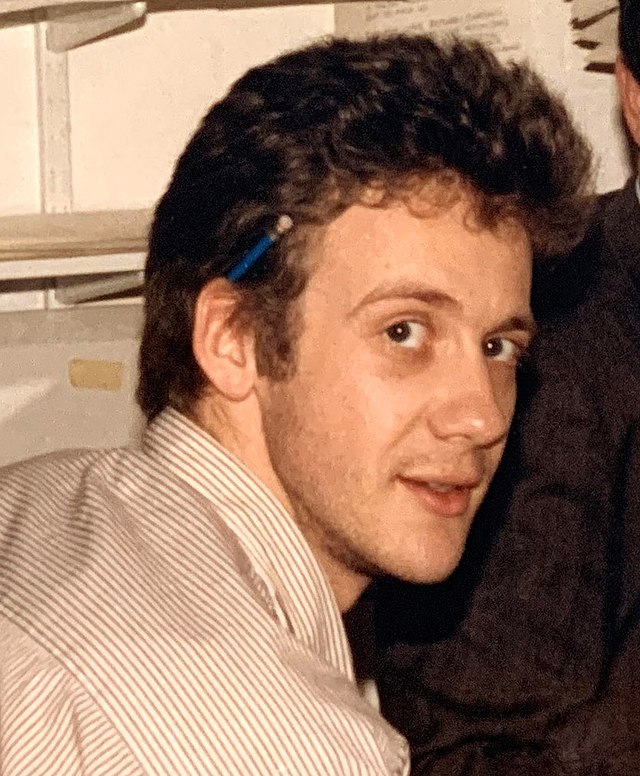
Simon Wells
Film director and animator
3
APPEARANCES
3
PODCASTS
Aug 18, 2026


Simon WellsGUEST
Which, which, well, it's strange, 'cause my father's father, Frank, um, HG's younger son, actually was an art director in the British film business, but, um, but not terribly successful.
Simon WellsGUEST
[laughs] And, uh, so, uh, you know, uh, and it, it's strange, it never occurred to me to go into the film business.


Simon WellsGUEST
I think everything has to be heavily caveated on the fact that we're assuming here in the base case that energy follows the futures curve.
Simon WellsGUEST
But if it does, the peak of inflation will probably be about half a percentage point below where we previously thought, peaking at around 3.4, something like that around the turn of the year.
Simon WellsGUEST
Now, if the peak in inflation is lower, the risks of second round effects on wages and then prices are lower, and the indirect effects of energy through food prices and non-labor costs on services, things like that, that should be lower too.
Simon WellsGUEST
So this should give the central banks a bit more confidence to be a bit more dovish.

Simon WellsGUEST
I think everything has to be heavily caveated on the fact that we're assuming here in the base case that energy follows the futures curve.
Simon WellsGUEST
But if it does, the peak of inflation will probably be about half a percentage point below where we previously thought.
Simon WellsGUEST
peaking at around 3.4 something like that around the turn of the year now if the peak in inflation is lower the risks of second round effects on wages and then prices are lower and the indirect effects of energy through food prices and non-labor costs on services things like that that should be lower too so this should give the central banks a bit more confident to be a bit more dovish So what I'm expecting is that by the time it gets to the sharp end of the next decisions, be that September or December, if energy has followed the futures curve, it will probably be projecting inflation to be sub-target.
Simon WellsGUEST
Now, given the lags in monetary policy, if you then hike rates back end of the year, it's not going to be until mid-2028 before that has peak effects.