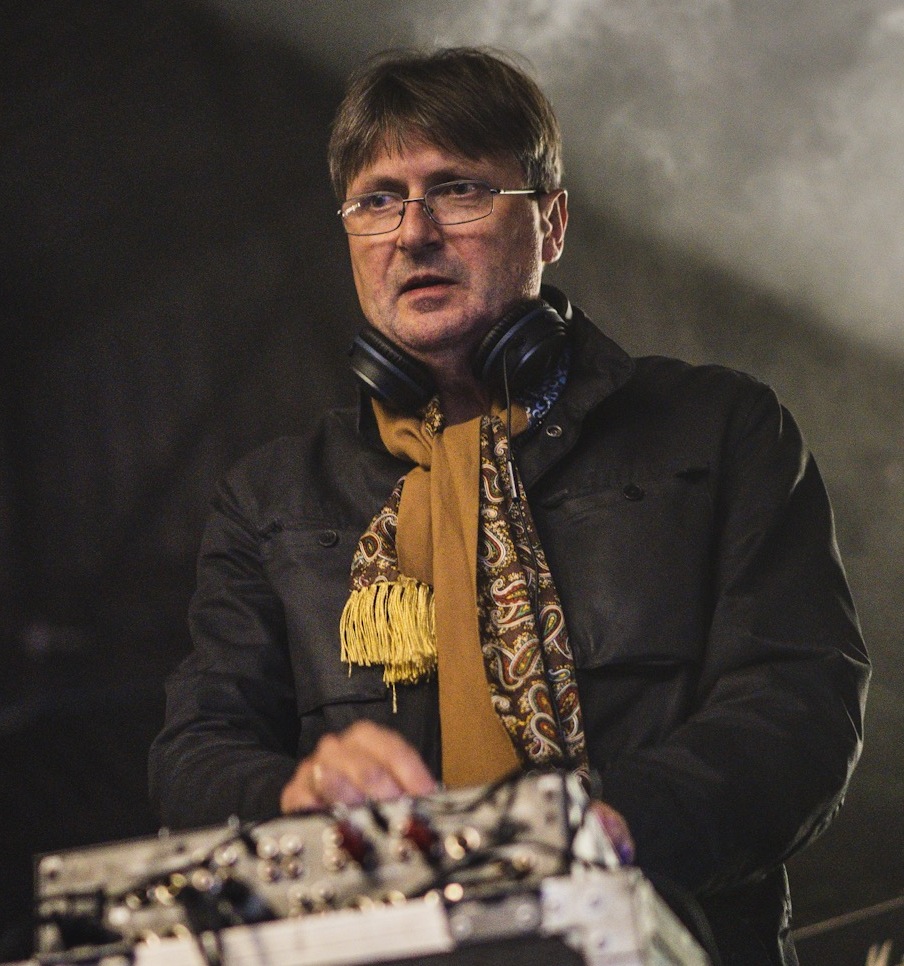
Simon Armitage
Poet and playwright
4
APPEARANCES
4
PODCASTS
Sep 30, 2026


Simon ArmitageGUEST
When, uh, when I became poet laureate in 2019, I just said I was gonna, you know, dedicate a lot of my energy and creative thinking to, to nature and, and the environment.
Simon ArmitageGUEST
Um, just because I, I think we're in such a catastrophic situation, and birds are a particular barometer-
Simon ArmitageGUEST
I was out and about watching skylarks skylarking, doing their thing, noticing skylarks pinned to the sky like daylight stars, others being yanked upwards yo-yo style, then sinking earthwards.
Simon ArmitageGUEST
Some poets have said they escort souls to heaven's gate, or muscle and fight to the edge of space, puncture the planet's ceiling and bring word from the mouths of angels, or feed on crumbs from God's table.
Simon ArmitageGUEST
But if skylarks reach those heights and look back at this world where the air burns and rivers drown, why would they come down?


Tom SutcliffeHOST
What were the jigsaw pieces made of? And when did they first start to come together to make a kind of legible picture?
Simon ArmitageGUEST
The jigsaw pieces were made of clay, clay fragments which had been impressed with a diagonally sliced reed to make cuneiform writing in the Akkadian language.
Simon ArmitageGUEST
So Gilgamesh started coming into being as a text around 4,000 years ago in a Sumerian language, and then eventually was written down in Akkadian about 3,000 years ago.
Simon ArmitageGUEST
A lot of these tablets were stored in the ancient library of Nineveh, Ashurbanipal's library.
Simon ArmitageGUEST
And when that was sacked, a lot of the fragments were just dispersed all across the Middle East.
Simon ArmitageGUEST
So it's more like hundreds of jigsaws of roughly the same picture that have been sort of thrown out of an aeroplane.
Simon ArmitageGUEST
And the job of making the translation is almost as much archaeological as it is literary.
Tom SutcliffeHOST
So tell us, who is Gilgamesh? And can you give us a sort of brief sketch of the narrative of the poem?


Simon ArmitageGUEST
Well, I mean, they share the same fabric, which is language, and they share a lot of techniques, rhyme, rhythm, so on and so forth.
Simon ArmitageGUEST
I think the main difference is that a poem has to have its own orchestration.
Simon ArmitageGUEST
I mean, mostly we're talking about poems on a printed page, so it's got to have its own score.
Simon ArmitageGUEST
It's obviously different with a song lyric because it comes with all this other stuff, you know, a beat, a melody, harmony.
Simon ArmitageGUEST
And the other thing is that you can access a poem in your own time, but a song goes past at the speed that it's being delivered at.
24 MINS LATER


Sé Merry DoyleHOST
That idea of identity and place, do you, did you resonate with that, with Heaney, while here? Does he go through your mind?
Simon ArmitageGUEST
Uh, I mean, Heaney was an extraordinary poetic presence for me when I was growing up.
Simon ArmitageGUEST
Um, and I think along with Hughes, because the two of them came from this agricultural, semi-agricultural background, which was very familiar to me growing up in my part of the world, it really resonated.
Simon ArmitageGUEST
And I always found that extraordinary anyway, because poetry across that period had become so urban and so urbane, and yet these two poets, probably the most affirmed poets of, of that generation, um, were from, uh, an environment and a linguistic environment that was, was very, very different.
Simon ArmitageGUEST
And I, I think if I, you know, if there's one word that pops into my head in relation to Sh- Seamus, it's, it's about being rooted, rootedness.
Simon ArmitageGUEST
And, you know, that's a word that obviously connects with the land, but it connects with community and place.
Sé Merry DoyleHOST
What's the feeling of meeting a poet that you, what's that moment like? You know, was there a moment?